Are you looking to boost your protein intake for better health, stronger muscles, or to stay full longer? You’ve come to the right place! Protein is a vital macronutrient, playing a crucial role in almost every bodily function, from building and repairing tissues to making enzymes and hormones. Whether you’re an athlete, trying to manage your weight, or simply aiming for a healthier diet, incorporating enough high-quality protein is key.
In this essential guide, we’ll explore the best high-protein foods available, covering everything from lean meats and delicious seafood to versatile plant-based options and dairy favorites. You’ll learn why protein matters, discover top sources, and get practical tips for easily adding more protein to your daily meals. Get ready to fuel your body and achieve your wellness goals!
The Power of Protein: Why It Matters
Protein is much more than just a muscle builder. It’s a powerhouse nutrient essential for:
- Muscle Growth and Repair: Protein provides the amino acids needed to build and repair muscle tissue, especially important after exercise.
- Satiety and Weight Management: High-protein meals can help you feel fuller for longer, reducing overall calorie intake and supporting weight loss or maintenance.
- Bone Health: Adequate protein intake is associated with stronger bones and a reduced risk of osteoporosis.
- Enzyme and Hormone Production: Proteins are fundamental for creating enzymes that drive countless chemical reactions and hormones that regulate body functions.
- Immune Function: Antibodies, which help fight infections, are made of protein.
Simply put, getting enough protein is foundational for overall health and well-being.
Top High-Protein Foods to Fuel Your Body
Let’s dive into some of the best protein sources you can easily incorporate into your diet.
Lean Meats & Poultry
These are often considered complete proteins, meaning they contain all nine essential amino acids your body can’t produce on its own.
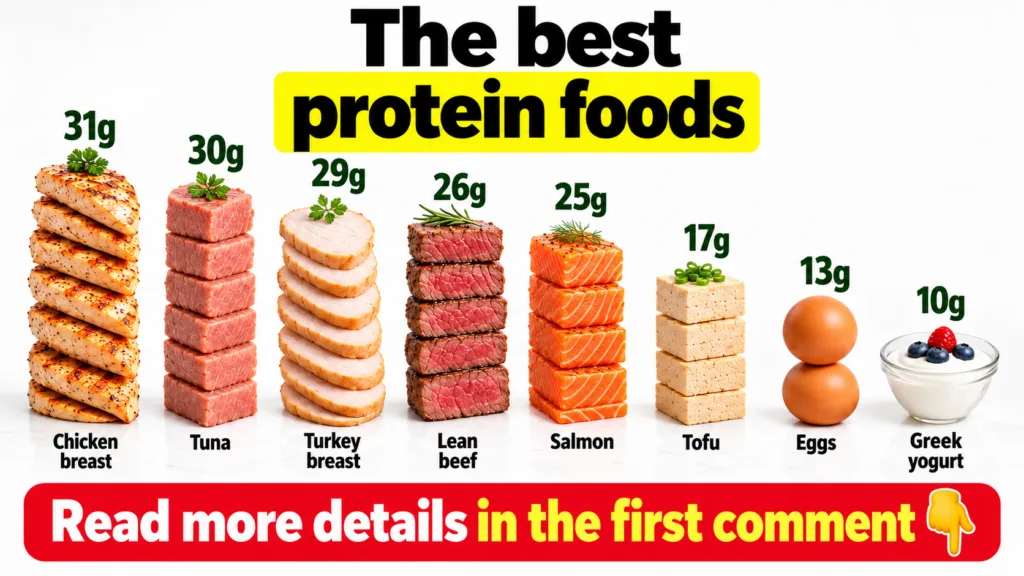
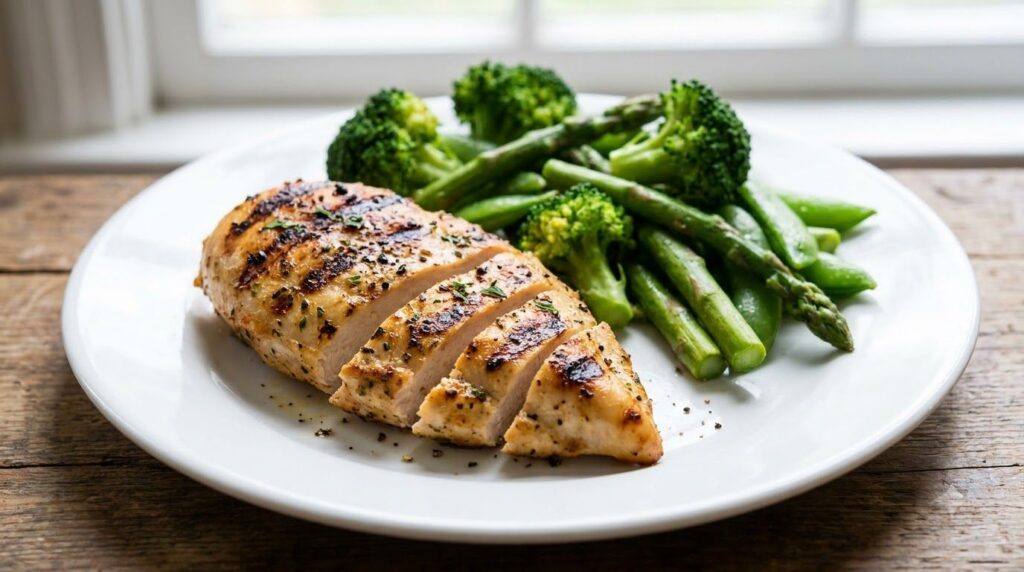
- Chicken Breast (approx. 25-30g protein per 3.5 oz serving): A lean, versatile, and affordable option perfect for grilling, baking, or stir-fries.
- Turkey Breast (approx. 25-30g protein per 3.5 oz serving): Similar to chicken, turkey is a fantastic lean protein source.
- Lean Beef (approx. 20-25g protein per 3.5 oz serving): Cuts like sirloin, round, or flank steak offer significant protein along with iron and B vitamins.
Fish & Seafood
Excellent sources of protein, many fish also provide heart-healthy omega-3 fatty acids.
- Salmon (approx. 20-25g protein per 3.5 oz serving): Rich in omega-3s, salmon is fantastic baked, grilled, or pan-seseared.
- Tuna (approx. 25-30g protein per 3.5 oz serving, canned in water): A convenient and budget-friendly option for salads, sandwiches, or straight from the can.
- Cod (approx. 18-20g protein per 3.5 oz serving): A flaky, mild white fish that’s great baked or pan-fried.
Eggs & Dairy
These provide high-quality protein and essential vitamins and minerals.
- Eggs (approx. 6g protein per large egg): Often called nature’s multivitamin, eggs are a complete protein and incredibly versatile for any meal.
- Greek Yogurt (approx. 15-20g protein per 6 oz serving): A creamy, tangy dairy product packed with protein and probiotics for gut health.
- Cottage Cheese (approx. 12-15g protein per 1/2 cup serving): A soft, fresh cheese that’s great as a snack or added to meals.

Plant-Based Proteins
For those following a vegetarian or vegan diet, or simply looking to diversify their protein sources, plant-based options are abundant.
- Tofu (approx. 8-10g protein per 3.5 oz serving): A soybean-based protein that absorbs flavors well, perfect for stir-fries, grilling, or baking.
- Lentils (approx. 9g protein per 1/2 cup cooked): Versatile legumes excellent in soups, stews, or salads. They also provide significant fiber.
- Black Beans (approx. 8g protein per 1/2 cup cooked): Another fiber-rich legume that works well in Mexican dishes, salads, and bowls.
- Quinoa (approx. 8g protein per 1 cup cooked): A complete protein grain that’s a great base for bowls and side dishes.
How Much Protein Do You Need?
The recommended dietary allowance (RDA) for protein is 0.8 grams of protein per kilogram of body weight. However, this is a minimum to prevent deficiency. Many active individuals, older adults, or those looking to lose weight may benefit from higher intakes, ranging from 1.2 to 2.0 grams per kilogram of body weight per day. It’s best to distribute your protein intake throughout the day rather than consuming it all in one meal.
Practical Tips for Boosting Protein Intake
Incorporating more protein into your diet doesn’t have to be complicated. Here are some simple strategies:
- Start Strong with Breakfast: Opt for eggs, Greek yogurt, cottage cheese, or a protein smoothie instead of sugary cereals.
- Power Up Your Snacks: Choose protein-rich snacks like a handful of almonds, a hard-boiled egg, or cheese sticks.
- Add Protein to Every Meal: Aim to include a protein source with breakfast, lunch, and dinner.
- Meal Prep for Success: Cook larger batches of chicken, fish, or lentils to have on hand for quick meals throughout the week.
- Smart Substitutions: Swap out lower-protein ingredients for higher-protein alternatives, like using chickpea pasta instead of regular pasta.
FAQs About High-Protein Foods
Q1: Can I get enough protein from plant-based sources alone?
Absolutely! A well-planned vegetarian or vegan diet can easily meet protein needs by including a variety of legumes, whole grains, nuts, seeds, and soy products.
Q2: Is too much protein bad for my kidneys?
For healthy individuals, consuming higher amounts of protein is generally safe. However, if you have pre-existing kidney disease, it’s crucial to consult your doctor or a registered dietitian for personalized recommendations.
Q3: What’s the best time to eat protein?
Distributing protein intake throughout the day is most beneficial. Consuming protein after workouts helps with muscle repair, and a protein-rich breakfast can help with satiety.
Q4: How does protein help with weight loss?
Protein boosts satiety, meaning you feel full longer and are less likely to overeat. It also has a higher thermic effect of food (TEF) compared to carbs and fats, meaning your body burns more calories digesting it.
Q5: Are protein supplements necessary?
For most people, it’s possible to meet protein needs through whole foods. Supplements can be convenient for busy individuals or those with very high protein requirements, but they shouldn’t replace a balanced diet.
Q6: What’s the difference between complete and incomplete proteins?
Complete proteins contain all nine essential amino acids. Animal sources like meat, eggs, and dairy are typically complete. Incomplete proteins lack one or more essential amino acids and are typically found in plant foods. Combining various plant proteins throughout the day (e.g., rice and beans) ensures you get all essential amino acids.
Conclusion
Incorporating a variety of high-protein foods into your diet is a powerful step towards better health, increased energy, and achieving your wellness goals. From lean meats and vibrant fish to nourishing eggs, creamy Greek yogurt, and versatile plant-based options, there’s a delicious way for everyone to boost their protein intake.
Remember, a balanced approach is key. By making mindful choices and integrating these protein powerhouses into your meals, you’ll be fueling your body optimally. Keep exploring healthy food options and delicious recipes to support your journey to a healthier you!
This content is for educational purposes only and should not be considered medical advice. Consult a qualified healthcare professional for personalized dietary recommendations.