Unlock Smoother Skin: A Simple Home Remedy for Neck Warts!
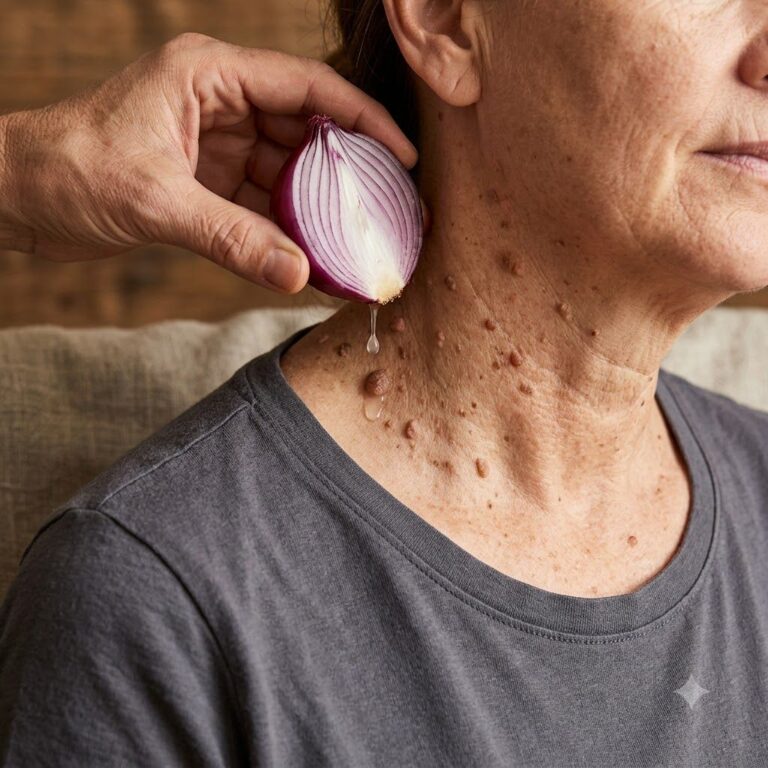
Have you ever caught a glimpse of yourself in the mirror, only to have your eye drawn to a small, unwelcome bump on your neck? Neck warts can be a common and often harmless nuisance, but that doesn’t make them any less bothersome when it comes to feeling confident in your own skin. The desire for smooth, clear skin is universal, and many of us are constantly on the lookout for gentle, natural ways to address these minor imperfections.
What if the secret to a more confident neckline was hiding in your very own kitchen?
Why This Matters
In our journey toward holistic wellness, we often seek solutions that align with a natural lifestyle. Neck warts, while benign, can impact our self-esteem, leading us to cover up or feel self-conscious. While there are medical options for wart removal, many people prefer to explore home remedies first, valuing their accessibility and gentle approach.
This curiosity isn’t new; generations have turned to ingredients found in nature for various skin concerns. The appeal lies in the idea of harnessing simple, powerful compounds from everyday items, hoping to support our body’s natural processes without harsh chemicals. It’s about empowering ourselves with knowledge and taking an active role in our skin health, always with an eye on safety and effectiveness.
The Power of Apple Cider Vinegar for Skin Wellness
Among the many traditional home remedies, apple cider vinegar (ACV) often stands out, celebrated for its diverse applications, including skin care. But what makes this kitchen staple a popular choice for addressing concerns like warts?
What Are Warts?
Warts are small, rough growths on the skin, typically caused by the human papillomavirus (HPV). They are contagious and can appear anywhere on the body, though neck warts are often filiform or common warts. While they typically disappear on their own over time, their appearance can be a source of annoyance.
Traditional Use and How ACV May Work
Historically, various cultures have utilized ACV for its perceived healing properties, including its use as an astringent and antiseptic for skin issues. When it comes to warts, the theory behind ACV’s potential effectiveness revolves around its main active component: acetic acid.
- Acidity: The acetic acid in ACV is believed to work by gently eroding the skin layers of the wart, similar to how salicylic acid (a common over-the-counter wart treatment) functions. This acidic environment may also create an unfavorable environment for the virus.
- Antimicrobial Properties: While not a direct antiviral, ACV’s antimicrobial properties might help keep the affected area clean and prevent secondary infections, though this is not its primary mechanism against the virus itself.
It’s important to understand that while many individuals report success with ACV, scientific evidence specifically proving its efficacy as a primary wart treatment is limited and mostly anecdotal. It’s often considered a folk remedy rather than a scientifically proven medical treatment.
Practical Guide: How to Use Apple Cider Vinegar for Neck Warts
If you’re considering trying this natural approach, here’s a general guide on how you might apply apple cider vinegar to a neck wart, always keeping safety in mind:
What You’ll Need:
- Organic, unfiltered apple cider vinegar (with the “mother”)
- Small cotton ball or a piece of cotton pad
- Medical tape or a small bandage
- Mild soap and water
Step-by-Step Application:
- Cleanse the Area: Gently wash the wart and the surrounding skin with mild soap and water. Pat dry thoroughly.
- Dilute (Optional but Recommended for Sensitive Skin): For those with sensitive skin, or when treating delicate areas like the neck, diluting the ACV with an equal part of water can help reduce irritation.
- Saturate the Cotton: Soak a small piece of cotton ball or pad in the apple cider vinegar (diluted or undiluted, based on your preference and skin sensitivity).
- Apply and Secure: Place the saturated cotton directly onto the wart. Secure it firmly with medical tape or a small bandage, ensuring it stays in place overnight or for several hours during the day.
- Repeat Daily: Remove the bandage and cotton, wash the area, and repeat the application daily. Consistency is often key with home remedies.
What to Expect:
Over several days or weeks, you may notice the wart changing color (darkening), shrinking, or becoming tender. This is often an indication that the ACV is working to dry out the wart. If you experience excessive redness, burning, or pain, discontinue use immediately.
Safety & Precautions
While apple cider vinegar is a natural product, it is acidic and can cause skin irritation. It’s crucial to approach any home remedy with caution and awareness.
- Consult Your Healthcare Professional: Before starting any new home remedy, especially for skin conditions, it’s always wise to consult with a doctor or dermatologist. They can confirm the diagnosis (ensuring it is indeed a wart and not something else) and advise on the safest treatment plan for you.
- Patch Test: Always perform a patch test on a small, inconspicuous area of your skin before applying ACV directly to the wart, especially if you have sensitive skin. Wait 24 hours to check for any adverse reactions.
- Avoid Broken or Irritated Skin: Never apply ACV to open wounds, broken skin, or areas that are already inflamed or irritated.
- Dilution is Key: For sensitive skin or delicate areas like the neck, diluting ACV with water is highly recommended to minimize the risk of burns or excessive irritation.
- Monitor for Reactions: If you experience severe burning, itching, excessive redness, blistering, or pain, remove the ACV immediately and rinse the area thoroughly. Discontinue use.
- Not for All Warts: ACV should not be used on genital warts or warts on the face, as these areas are more sensitive and require professional medical attention.
- Pregnancy and Existing Conditions: If you are pregnant, breastfeeding, have diabetes, compromised immunity, or any other existing medical condition, consult your doctor before using ACV or any other home remedy.
- Patience and Persistence: Home remedies often take time and consistent application to show results. Do not expect overnight miracles.
Key Takeaways
- Neck warts are a common skin concern, prompting many to seek natural solutions.
- Apple cider vinegar is a popular home remedy, traditionally used for its acidic properties, which may help dry out warts.
- Scientific evidence specifically supporting ACV as a primary wart treatment is limited and largely anecdotal.
- Always perform a patch test and consider diluting ACV, especially for sensitive skin areas like the neck.
- Discontinue use if significant irritation or discomfort occurs.
- Consult a healthcare professional to confirm a wart diagnosis and discuss the safest, most effective treatment options for your individual needs.
FAQ
How long does it take to see results with ACV for warts?
Results vary widely among individuals. Some may see changes in a few days, while for others, it could take several weeks of consistent application. It’s a gradual process, and patience is key.
Is ACV safe for all skin types?
While generally considered safe for external use, ACV is acidic and can cause irritation, especially on sensitive skin. Always perform a patch test and consider diluting it to minimize potential adverse reactions.
Can warts come back after ACV treatment?
Yes, warts can recur, regardless of the treatment method, including home remedies. This is because the underlying HPV virus can remain in the skin. Consistent follow-up and general immune support can be helpful.
When should I see a doctor for neck warts?
You should see a doctor if the wart is painful, bleeding, changes in appearance, doesn’t respond to home remedies, or if you are unsure if it’s actually a wart. It’s also advisable to consult a professional before starting any new treatment, especially on sensitive areas like the neck.
Can I use any type of apple cider vinegar?
Most proponents of ACV remedies recommend using raw, organic, unfiltered apple cider vinegar that contains the “mother.” The “mother” is a colony of beneficial bacteria and enzymes, believed to contain many of ACV’s beneficial properties.
Related Reading
- Natural Remedies for Healthy Skin
- Boosting Your Immune System Naturally
- Understanding Common Skin Blemishes
- DIY Beauty Tips Using Kitchen Ingredients
- Anti-Inflammatory Foods for Overall Wellness