Most People Overlook This Forest Gem…
When you think of pine trees, your mind likely goes to the scent, the towering presence, or perhaps the cones themselves as simple decorations. But one small preparation mistake can ruin an incredible traditional remedy that has been cherished in various cultures for generations: pine cone preserve.
This isn’t just a sweet spread; it’s a unique tonic packed with a resinous aroma and a history of surprising uses. Forget what you think you know about jams and jellies—this is a different kind of forest magic, often ignored by modern kitchens. Let’s explore how to prepare it correctly and harness its practical benefits.
What Exactly Is Pine Cone Preserve?
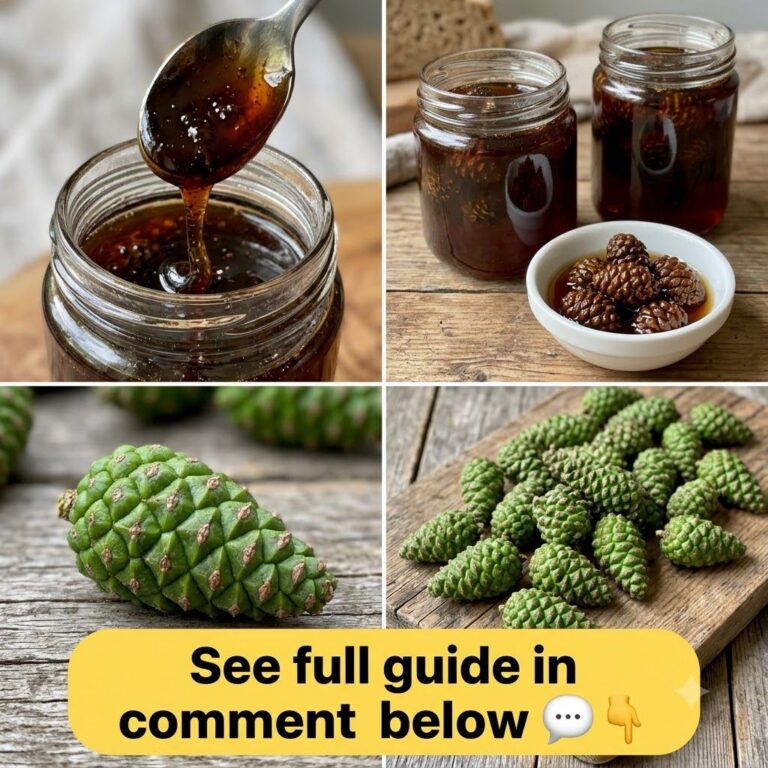
Pine cone preserve, often called pine cone jam or pine cone honey, is a traditional concoction made by cooking young, tender pine cones in a sugar syrup. Unlike fruit preserves, it’s not typically spread thickly on toast. Instead, it’s often consumed by the spoonful, added to teas, or used as a unique syrup. Its texture can range from a thick, gooey syrup with soft, edible cones to a more fluid honey-like consistency.
The key to its distinct flavor and properties lies in using very young, green pine cones, which are rich in resin, essential oils, and phytonutrients. These compounds are believed to contribute to its traditional uses in supporting respiratory health and general well-being.
Key Ingredients for Pine Cone Preserve
- Young, green pine cones
- Granulated sugar
- Water
- Citric acid or lemon juice (optional, for flavor and preservation)
Approximate Measurements (Standard Batch)
- Young Green Pine Cones: 500 grams (about 40-60 small cones, depending on size)
- Granulated Sugar: 1 kilogram (2.2 lbs)
- Water: 1 liter (4 cups)
- Lemon Juice (freshly squeezed): 2 tablespoons (optional)
These measurements aim for a relatively thick syrup. You can adjust the sugar-to-water ratio slightly if you prefer a thinner or thicker consistency, but remember that sugar also acts as a preservative.
The Formula: Crafting Your Own Pine Cone Preserve
Making pine cone preserve is a multi-step process that requires patience and attention to detail. The quality of your preserve heavily depends on the pine cones you select and the careful simmering process.
Step-by-Step Method
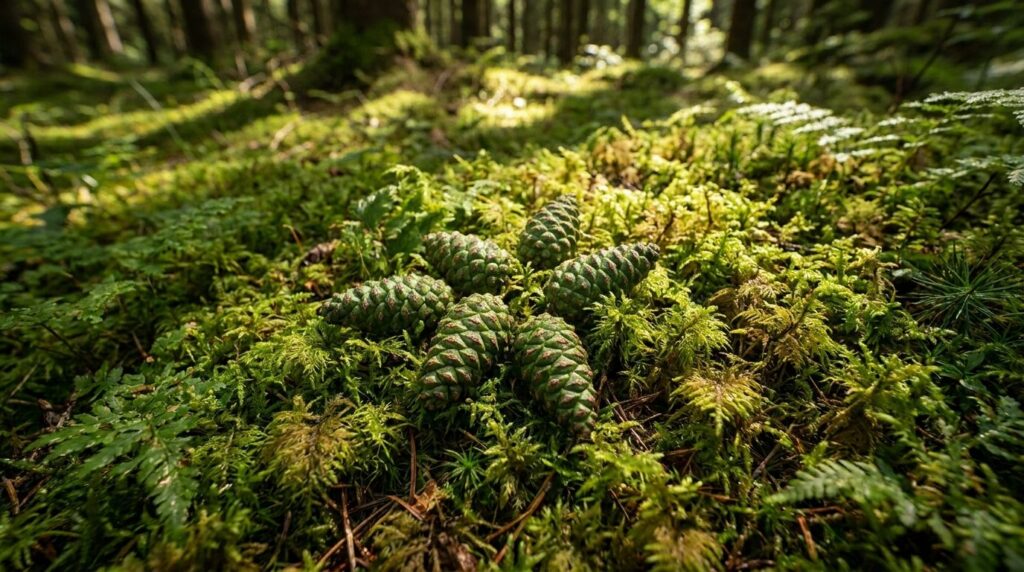
- Harvesting & Cleaning: Gather young, green pine cones in late spring or early summer, when they are still soft enough to be pierced with a fingernail. Avoid cones from areas sprayed with pesticides or near busy roads. Thoroughly wash the cones under cold running water to remove dirt, insects, and debris. You can use a soft brush if needed.
- Soaking (Optional but Recommended): For some recipes, soaking the cleaned cones in cold water for 24 hours, changing the water a few times, helps to reduce bitterness and draw out impurities.
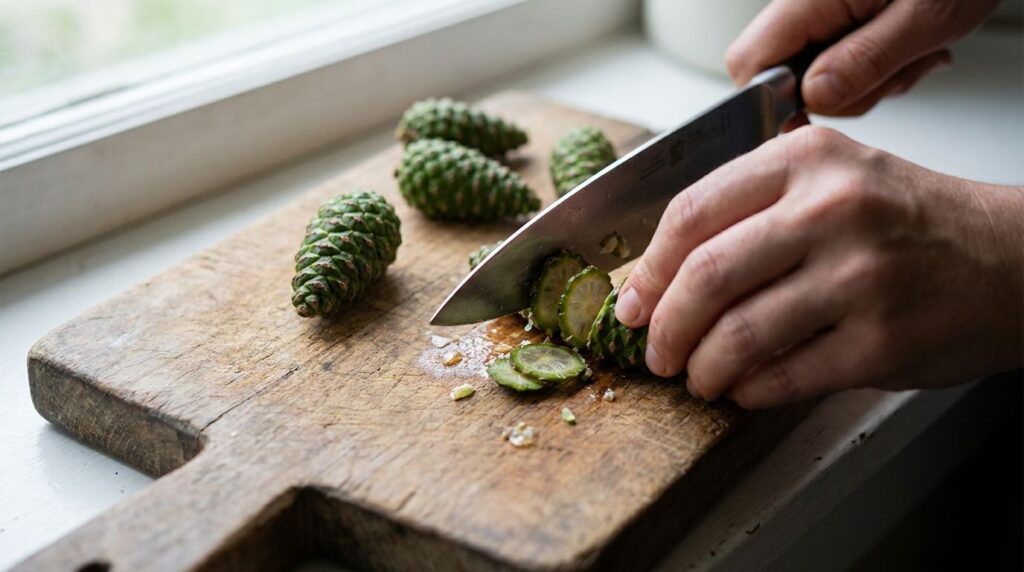
- Preparation: After cleaning (and soaking, if done), slice the pine cones into small rounds or halves. This increases the surface area for the resins to release and helps them soften during cooking.
- First Boil: Place the sliced pine cones in a large pot and cover them with water. Bring to a boil, then reduce heat and simmer gently for 20-30 minutes. This initial boil helps further soften the cones. Drain the water.
- Syrup Creation: In the same (or another clean) large pot, combine 1 liter of water and 1 kilogram of sugar. Heat gently, stirring until the sugar completely dissolves. Bring the syrup to a boil.
- Second Boil & Simmer: Add the pre-boiled pine cones to the boiling sugar syrup. Bring it back to a gentle boil, then reduce the heat to a low simmer. Cook for 2-2.5 hours, or until the syrup thickens and the cones become translucent and tender. Stir occasionally to prevent sticking. Add lemon juice during the last 15 minutes if using.
- Testing for Doneness: The preserve is ready when a drop of the hot syrup placed on a cold plate holds its shape and doesn’t spread quickly. The pine cones should be soft enough to chew.
- Jarring: Carefully ladle the hot preserve into sterilized glass jars, leaving about 1/2 inch headspace. Seal tightly with sterilized lids.
- Cooling & Storage: Allow the jars to cool completely at room temperature. As they cool, a vacuum seal should form, indicated by the lid “popping” inwards.
How to Use Pine Cone Preserve
Pine cone preserve is versatile, though not used like typical jam:
- By the Spoonful: Many traditional users take 1-2 teaspoons directly, especially during colder months.
- In Warm Beverages: Stir a spoonful into hot tea (especially black or herbal teas) or warm water.
- As a Topping: Drizzle over pancakes, yogurt, or even cheese for a unique flavor.
- Unique Dessert Ingredient: Incorporate into certain baking recipes or serve alongside desserts as a syrupy condiment.
How Often to Use
For general wellness, 1-2 teaspoons per day is a common recommendation. During seasonal changes or when seeking comfort, this can be increased slightly, but always listen to your body and consider the sugar content.
Choosing Your Ingredients: Fresh vs. Mature Cones
The success of your preserve hinges on selecting the right pine cones. Here’s a quick guide:
| Feature | Young, Green Pine Cones (Ideal) | Mature, Brown Pine Cones (Avoid) |
|---|---|---|
| Harvest Time | Late spring to early summer | Late summer to autumn/winter |
| Texture | Soft, easily pierced with a fingernail, resinous | Hard, woody, open scales |
| Color | Bright green, sometimes with purple tips | Brown, dull |
| Resin Content | High, contributing to flavor and properties | Low or dried out |
| Edibility | Softens and becomes edible in preserve | Remains hard and inedible |
Where to Buy / How to Choose Ingredients
The best way to get young pine cones is to forage them yourself. If foraging, always:
- Identify the pine species correctly (Scots pine, Siberian pine, or others known to be safe).
- Harvest from clean, unpolluted areas, far from roadsides and industrial zones.
- Seek permission if harvesting on private land.
- Take only what you need, leaving plenty for wildlife and future growth.
For sugar, choose good quality granulated sugar. Organic options are available if preferred. Lemon juice should be fresh for the best flavor and acidity.
Quick Tip: Selecting the Right Pine Cones
Always go for cones that are tender enough to cut through with a knife without much effort. If they feel woody, they’re too mature for a good preserve.
Storage
Properly canned pine cone preserve can be stored in a cool, dark place for up to 1 year. Once opened, refrigerate the jar and consume within 2-3 months. Always ensure lids are sealed tightly to prevent spoilage.
Practical Tips for Success
- Test Pine Cone Softness: Before starting, always test a cone. If it’s too hard to cut easily, it will remain tough in the preserve.
- Sterilize Everything: Use thoroughly sterilized jars, lids, and utensils to prevent spoilage and ensure longevity.
- Gentle Simmer: A slow, gentle simmer is key to allowing the cones to soften and the flavors to meld without burning the sugar.
- Adjust Sweetness: While the recipe provides a standard, you can slightly reduce sugar if you prefer less sweetness, but be aware this may impact shelf life.
Common Mistakes to Avoid
- Using Mature Pine Cones: This is the most frequent mistake. Hard, woody cones will result in an unpalatable, tough preserve.
- Not Cleaning Cones Properly: Dirt, sap, or insects can contaminate your preserve and affect flavor.
- Over-Boiling the Syrup: Too high heat can caramelize the sugar too quickly, leading to a burnt taste or an overly stiff preserve.
- Skipping Soaking/First Boil: These steps are crucial for drawing out bitterness and softening the cones, leading to a more pleasant final product.
- Improper Storage: Not sterilizing jars or storing opened jars improperly can lead to mold or spoilage.
Cautions: Who Should Avoid Pine Cone Preserve?
While generally considered safe for consumption in moderation, there are a few considerations:
- Allergies: Individuals with known allergies to pine products or tree resins should exercise caution or avoid.
- Diabetes/Blood Sugar Concerns: Pine cone preserve is high in sugar. Diabetics or those monitoring blood sugar should consume it sparingly or avoid it.
- Pregnancy and Breastfeeding: Limited research exists on pine cone preserve’s safety during pregnancy and breastfeeding. It’s best to consult a healthcare professional.
- Young Children: Due to the texture and strong flavor, and limited safety data, it may not be suitable for very young children.
- Foraging Safety: Never consume pine cones from unknown species or areas treated with chemicals. If in doubt, do not forage.
Always consume in moderation, especially if trying for the first time.
Quick Summary: Your Pine Cone Preserve Cheat Sheet
- Best Preparation: Made from young, green pine cones, sugar, and water, simmered until tender.
- Best Use-Case: By the spoonful, in warm teas, or as a unique syrup for general wellness.
- Storage: Up to 1 year sealed in a cool, dark place; 2-3 months refrigerated after opening.
- When to Use: Often favored during colder months or for a unique culinary experience.
- What to Avoid: Mature, woody pine cones, uncleaned cones, and areas with chemical spraying.
Frequently Asked Questions About Pine Cone Preserve
Can I use fresh or dried pine cones?
Only young, fresh, green pine cones are suitable for preserve making. Dried or mature cones are too woody and will not soften properly.
How long does pine cone preserve last?
Unopened, properly canned preserve can last up to a year in a cool, dark place. Once opened, store it in the refrigerator and consume within 2-3 months.
Can I refrigerate it?
Yes, refrigeration is required once the jar is opened.
How often should I use it?
For general wellness, 1-2 teaspoons per day is a common recommendation, but always in moderation.
What part of the pine cone is best?
The entire young, green pine cone is used, as it’s soft enough to break down during the cooking process.
Is it safe for everyone?
Not necessarily. Individuals with allergies to pine, diabetics, or pregnant/breastfeeding individuals should consult a doctor before use. Always ensure cones are from clean, untreated areas.
Why is my preserve bitter?
Bitterness can result from using slightly too mature cones, or not adequately soaking/boiling them in the initial stages to draw out excess resin or tannins.
Can I make it with less sugar?
While you can slightly reduce sugar, remember sugar acts as a preservative. A significant reduction may shorten its shelf life and require refrigeration immediately.
The Forest’s Sweet Secret, Unlocked
Pine cone preserve is more than just a novelty; it’s a testament to traditional ingenuity and the surprising gifts of nature. By understanding the careful steps and essential cautions, you can create a unique, aromatic preserve that connects you to an ancient practice.
This isn’t just about making a sweet treat; it’s about appreciating the subtle wisdom found in the forest, one tender pine cone at a time.
You may also like: Crafting Your Own Herbal Teas for Wellness
Read more: The Essential Guide to Safe Foraging Practices