Most people only think of ginger for an occasional upset stomach, or perhaps as a spice in their baking. But the true power of this common root extends far beyond a simple digestive aid. What if one small, gnarled root could unlock a surprising range of daily wellness benefits you’ve been overlooking? This isn’t just an ancient spice; it’s a versatile remedy waiting to transform your everyday health.
What is Ginger Root and Why Does It Matter?
Ginger (Zingiber officinale) is a flowering plant whose rhizome (underground stem), commonly known as ginger root, is widely used as a spice and traditional medicine. Originating from Southeast Asia, ginger has been a staple in Ayurvedic and Chinese medicine for thousands of years. Its distinct pungent and spicy flavor comes from its natural oils, primarily gingerol, which is also the main bioactive compound responsible for many of its medicinal properties. As ginger is dried or cooked, gingerol can transform into shogaol, which gives dried ginger its more intense heat and contributes to its unique therapeutic effects.
Your Everyday Ginger Tonic Recipe
Preparing your own ginger tonic is simple and effective. This basic recipe can be adapted to your taste and needs.
Ingredients:
- 1-2 inch piece of fresh ginger root
- 2 cups filtered water
- Optional: 1 teaspoon raw honey or maple syrup
- Optional: 1/2 lemon, juiced
Approximate Measurements:
- For a milder tonic, use 1 inch of ginger. For a stronger, spicier brew, go for 2 inches.
- Water quantity is flexible; more water will dilute the flavor and potency.
Formula / Recipe: Simple Ginger Tea
- Wash and prepare the ginger.
- Simmer the ginger in water.
- Strain and serve.
Step-by-Step Method: Brewing Your Ginger Remedy
- Prepare the Ginger: Wash the ginger root thoroughly. You can peel it or leave the skin on – many beneficial compounds are just beneath the skin. If peeling, a spoon works wonders to scrape off the skin, minimizing waste. Slice the ginger thinly or grate it. Grating will yield a stronger flavor and faster extraction.
- Boil the Water: In a small saucepan, bring 2 cups of filtered water to a boil.
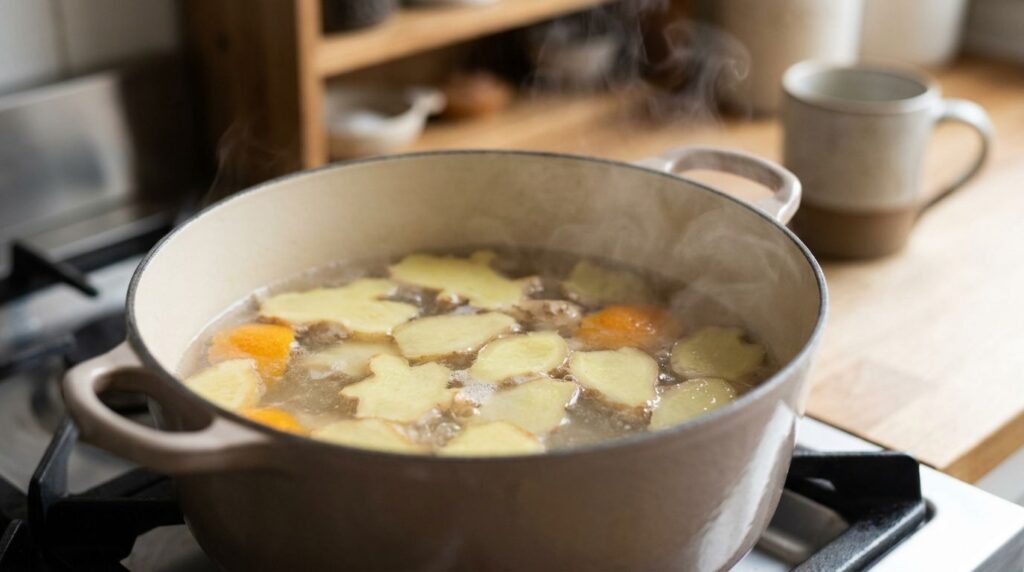
- Add Ginger: Once boiling, add the prepared ginger slices or grated ginger to the water.
- Simmer: Reduce the heat to low, cover the saucepan, and let it simmer for 10-15 minutes. For a stronger tonic, you can simmer for up to 20 minutes.
- Strain: Remove the saucepan from the heat. Carefully strain the liquid into a mug, separating the ginger pieces.
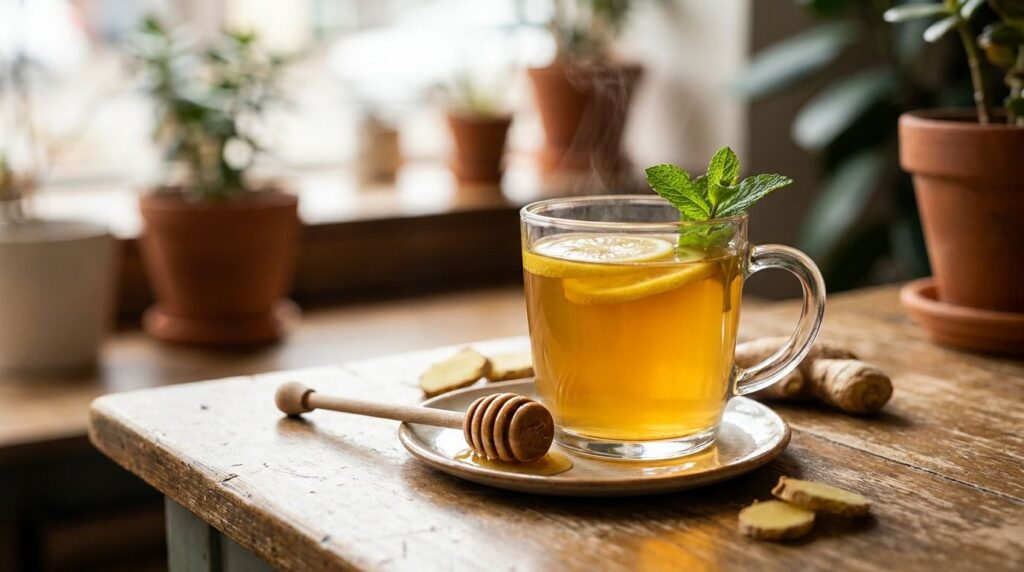
- Customize (Optional): Stir in honey or maple syrup to taste, and add a squeeze of fresh lemon juice if desired. These additions not only enhance the flavor but also offer their own health benefits.
How to Use Your Ginger Tonic
This ginger tonic is incredibly versatile. Drink it warm to soothe a sore throat or cold symptoms, or let it cool and enjoy it as a refreshing anti-inflammatory beverage. It’s particularly effective:
- For Digestive Support: Drink a cup about 20-30 minutes before or after meals to aid digestion, reduce bloating, and calm an upset stomach.
- To Combat Nausea: Whether it’s motion sickness, morning sickness (consult your doctor first), or general nausea, ginger tea can provide significant relief.
- For Anti-inflammatory Benefits: Regular consumption can help reduce general inflammation in the body, which contributes to overall wellness.
- As a Warming Drink: During colder months, it’s a perfect way to warm up and boost circulation.
How Often to Use
For general wellness and preventative measures, 1-2 cups of ginger tonic daily is a good starting point. If you’re using it to alleviate specific symptoms like nausea or digestive upset, you can drink up to 3 cups throughout the day. Always listen to your body and adjust as needed.
Quick Tip: Fresh vs. Dried Ginger
While fresh ginger is ideal for the tonic, dried ginger powder can also be used in a pinch. However, the flavor profile and potency of fresh ginger are generally superior for remedies like tea. Dried ginger has a different chemical composition due to the conversion of gingerols to shogaols, making it spicier and potentially more potent for certain uses, but less ‘fresh’ tasting.
How to Buy and Choose Your Ginger
Selecting good quality ginger is crucial for an effective remedy:
- Look for Firmness: Choose ginger roots that are firm and smooth. Avoid any that are soft, shriveled, or mushy, as these are signs of age or spoilage.
- Smooth Skin: The skin should be thin and tight, not thick or flaky.
- Fresh Aroma: Good ginger will have a distinct, spicy, and fresh aroma.
- No Mold: Inspect for any signs of mold, especially in crevices.
- Organic (If Possible): Opt for organic ginger to avoid pesticides, especially if you plan to leave the skin on.
Storage: Keeping Your Ginger Fresh and Potent
- Whole Fresh Ginger: Store unpeeled ginger root in a resealable plastic bag or airtight container in the crisper drawer of your refrigerator. It can last for 3-4 weeks.
- Peeled/Sliced Ginger: If you’ve peeled or sliced your ginger, store it in an airtight container, submerged in a small amount of sherry or vinegar, in the refrigerator for up to 2 weeks.
- Frozen Ginger: For longer storage, you can freeze whole, unpeeled ginger. Simply grate it while frozen when you need it.
- Prepared Tonic: Store any leftover ginger tonic in an airtight jar in the refrigerator for up to 2-3 days. Reheat gently before drinking.
Practical Tips for Maximizing Your Ginger Remedy
- Add to Smoothies: A small piece of fresh ginger adds a zesty kick and digestive benefits to your morning smoothie.
- Infused Water: Add thin slices of ginger to your water bottle for a refreshing and healthy infused drink throughout the day.
- Cooking: Incorporate ginger into stir-fries, soups, and curries not just for flavor, but for its health-boosting properties.
- Ginger Chews: For on-the-go nausea relief, consider natural ginger chews, but check their sugar content.
Did You Know? Ginger can be grown at home! A small piece of ginger root with an ‘eye’ or bud can be planted in well-draining soil and will sprout, giving you a continuous supply.
Common Mistakes to Avoid
Even with a simple remedy like ginger tea, a few common slip-ups can reduce its effectiveness:
- Boiling Too Vigorously: High heat for too long can degrade some of ginger’s delicate compounds. Simmering is key.
- Using Too Little Ginger: For noticeable effects, ensure you’re using enough ginger. A tiny sliver won’t do much.
- Not Peeling for Taste (Sometimes): While skin-on is fine, some find the skin gives a slightly bitter or earthy taste. Experiment to find your preference.
- Improper Storage: Leaving ginger out on the counter will cause it to dry out and lose potency quickly.
- Overlooking Freshness: Shriveled or moldy ginger has lost much of its beneficial compounds and should be discarded.
Cautions / Who Should Avoid It
While ginger is generally safe for most people, there are a few considerations:
- Blood Thinners: Ginger can have mild blood-thinning effects. If you are on anticoagulant medications (e.g., Warfarin), consult your doctor before consuming ginger regularly.
- Gallstones: Individuals with gallstones should exercise caution and speak with a healthcare provider.
- Pregnancy: While often used for morning sickness, high doses of ginger during pregnancy are sometimes debated. Always discuss with your obstetrician.
- Heartburn: In some sensitive individuals, ginger can cause mild heartburn or stomach upset, especially in large quantities.
Quick Summary: Your Ginger Remedy Cheat Sheet
- Best Preparation: Fresh ginger tea, simmered gently.
- Best Use-Case: Digestive issues, nausea, anti-inflammatory support, general wellness.
- Storage: Fresh ginger in the fridge for weeks, tonic for 2-3 days.
- When to Use: Daily for maintenance, or as needed for symptoms.
- What to Avoid: Shriveled ginger, boiling too aggressively, ignoring medical conditions.
Frequently Asked Questions About Ginger Root
Q: Can I use fresh or dried ginger for the tonic?
A: While both can be used, fresh ginger is generally preferred for its vibrant flavor and full spectrum of compounds for this tonic. Dried ginger powder can be used, but the taste and potency profile will differ.
Q: How long does homemade ginger tea last?
A: Your homemade ginger tonic can be stored in an airtight container in the refrigerator for up to 2-3 days. Reheat gently on the stovetop or in the microwave.
Q: Can I reuse the ginger pieces after brewing?
A: You can, but their potency will be significantly diminished after the first brew. For best results, use fresh ginger each time.
Q: Is it necessary to peel ginger before making tea?
A: It’s not strictly necessary. Many beneficial compounds are just under the skin. However, some prefer to peel it for a smoother taste or if they are concerned about soil residues (though washing thoroughly should suffice).
Q: Who should avoid using ginger?
A: Individuals on blood thinners, those with gallstones, or pregnant women should consult their doctor before regular ginger consumption. It can also cause mild heartburn in sensitive individuals.
Q: What’s the best time of day to drink ginger tea?
A: You can enjoy ginger tea at any time. Many find it beneficial in the morning to kickstart digestion, or after meals to aid digestion, and some even enjoy it before bed for its warming and soothing properties.
Conclusion
Ginger root is far more than just a culinary spice; it’s a potent, accessible remedy that can significantly enhance your daily wellness routine. By understanding its preparation, usage, and storage, you can harness the full spectrum of its benefits. Embrace this common plant’s hidden wonders and make ginger a cornerstone of your natural health approach.
You may also like: See the full guide on Turmeric Benefits
Related remedy: Learn how to make a Lemon and Honey Sore Throat Remedy
