Most people focus on the vibrant leaves, the colorful flowers, or the juicy fruits of plants. But what if we told you that some of nature’s most profound healing secrets lie hidden beneath the soil? The humble root, often discarded or ignored, is a powerhouse of concentrated nutrients and compounds, offering a potent path to natural wellness. This is the part most people skip, assuming the ‘action’ is above ground. Today, we’re digging deep to uncover the surprising remedies found in roots, and how to harness their healing potential in your daily life.
What Makes Roots So Powerful?
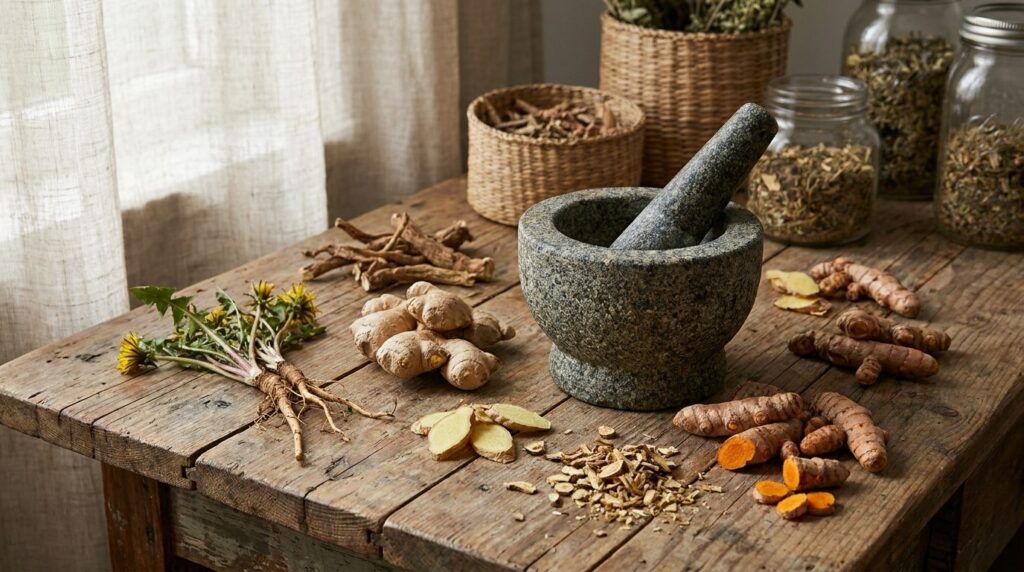
Roots are the anchors of a plant, responsible for absorbing water and nutrients from the soil, storing energy, and synthesizing vital compounds. This intense biological activity makes them incredibly rich in beneficial properties. Many roots contain a higher concentration of active compounds, such as vitamins, minerals, antioxidants, and anti-inflammatory agents, than other parts of the plant. Think of them as nature’s underground pharmacies, quietly accumulating potent remedies.

Featured Root Remedies and How to Prepare Them
Let’s explore a few accessible and potent roots you can easily integrate into your wellness routine.
1. Ginger Root (Zingiber officinale) for Digestive Comfort and Warmth
Ginger is renowned for its spicy kick and its ability to soothe digestive upset. Its active compounds, gingerols, have potent anti-inflammatory and antioxidant effects.
Ingredients:
- Fresh ginger root: 1-2 inches
- Water: 1 cup
- Optional: Lemon slice, honey to taste
Formula / Recipe: Ginger Tea
A simple ginger tea is one of the most effective ways to extract its benefits.
Step-by-Step Method:
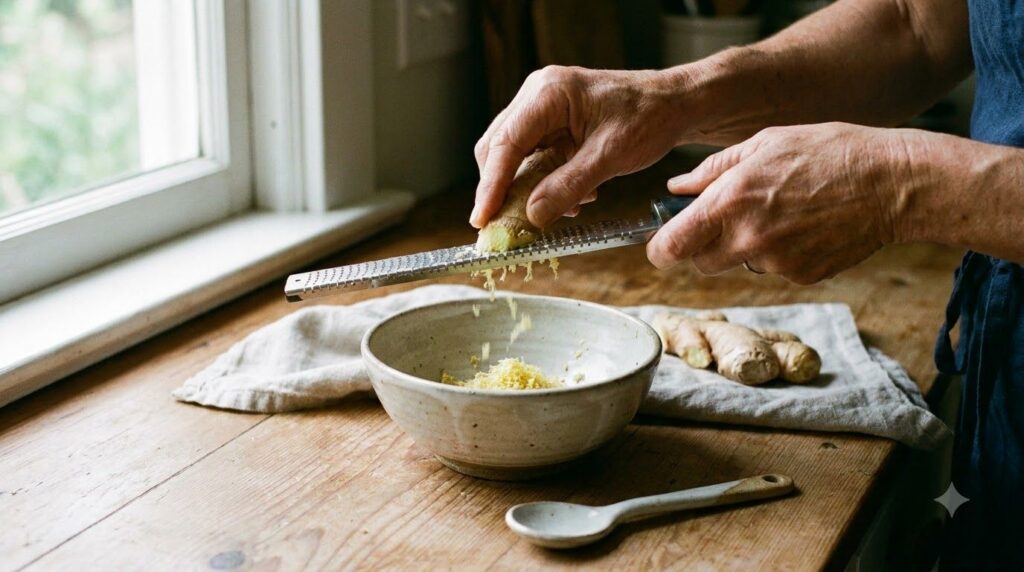
- Wash and peel the ginger root. You can use a spoon to scrape off the skin easily.
- Slice the ginger thinly or grate it. Thinner slices or grating will yield a stronger tea.
- Bring 1 cup of water to a boil in a small saucepan.
- Add the sliced or grated ginger to the boiling water.
- Reduce heat to low, cover, and simmer for 10-15 minutes. For a stronger brew, simmer longer.
- Strain the tea into a mug.
- Add a squeeze of lemon and a teaspoon of honey if desired.
How to Use:
Drink ginger tea to calm an upset stomach, relieve nausea, warm the body, or reduce inflammation. It’s also excellent for supporting immune health.
How Often to Use:
1-3 cups daily, as needed. If you are pregnant or on medication, consult with a healthcare professional before regular use.
2. Turmeric Root (Curcuma longa) for Anti-Inflammatory Support
Turmeric is famous for its vibrant color and its primary active compound, curcumin, a powerful anti-inflammatory and antioxidant. Most people use it as a spice, but its fresh root offers even more vitality.
Ingredients:
- Fresh turmeric root: 1 inch
- Black peppercorns: A pinch (essential for curcumin absorption)
- Warm milk (dairy or non-dairy): 1 cup
- Optional: Honey, cinnamon, or a tiny bit of coconut oil
Formula / Recipe: Golden Turmeric Milk
A warming and soothing drink, perfect before bed or for joint support.
Step-by-Step Method:
- Wash and peel the turmeric root. Grate it finely.
- In a small saucepan, combine grated turmeric, milk, and a pinch of black peppercorns. The black pepper is crucial for enhancing curcumin’s bioavailability.
- Heat gently over medium-low heat, stirring occasionally, until warm but not boiling. Do not boil vigorously, as it can reduce some compounds.
- Strain the mixture into a mug.
- Stir in honey, cinnamon, or a tiny amount of coconut oil if desired.
Quick Tip: Turmeric stains! Be careful when handling fresh turmeric, as its vibrant yellow color can easily stain countertops and clothing. Wear gloves if you prefer.
How to Use:
Drink golden turmeric milk to help reduce inflammation, support joint health, and promote a sense of calm. It’s an excellent evening beverage.
How Often to Use:
1 cup daily, especially in the evening. Consistent use can yield better long-term benefits for inflammation.
3. Dandelion Root (Taraxacum officinale) for Detoxification
Dandelion is often dismissed as a weed, but its root is a powerful liver and kidney supporter, aiding in detoxification and digestion. Its bitter compounds stimulate bile flow, which is essential for fat digestion and waste elimination.
Ingredients:
- Fresh dandelion roots: 2-3 small roots (or 1 tablespoon dried, roasted dandelion root)
- Water: 1 cup
Formula / Recipe: Dandelion Root Decoction
A decoction is best for extracting compounds from harder root materials.
Step-by-Step Method:
- If using fresh roots, thoroughly wash them and scrub off any soil. Chop the roots into small, pea-sized pieces.
- Place the chopped fresh roots (or dried, roasted roots) into a small saucepan with 1 cup of water.
- Bring to a boil, then reduce heat to low, cover, and simmer for 15-20 minutes.
- Strain the liquid into a mug. The taste will be bitter, which is normal for a liver tonic.
Did You Know? The bitterness of dandelion root is key to its detoxifying benefits. It stimulates digestive enzymes and bile production, crucial for liver function.
How to Use:
Drink dandelion root decoction to support liver detoxification, improve digestion, and act as a mild diuretic. Best consumed on an empty stomach or before meals.
How Often to Use:
1 cup daily for 1-2 weeks as a cleansing tonic. Avoid if you have bile duct obstruction or are allergic to the Asteraceae family (daisies, ragweed).
Fresh Root vs. Dried Root Comparison
| Feature | Fresh Root | Dried Root |
|---|---|---|
| Potency | Often higher concentration of volatile oils and certain enzymes; vibrant flavor. | Good concentration of non-volatile compounds; flavor can be milder or more concentrated depending on drying method. |
| Preparation | Requires washing, peeling, chopping; often used in teas, juices, fresh applications. | Ready to use; ideal for teas, tinctures, powders; longer simmer/decoction often needed. |
| Storage | Refrigerate for 2-3 weeks; can be frozen for longer. | Store in airtight container in a cool, dark place for 6 months to 1 year. |
| Availability | Seasonal or found in fresh produce sections. | Available year-round in bulk or packaged. |
How to Buy and Choose Ingredients
When selecting fresh roots, look for firm, unblemished pieces. Avoid any roots that are soft, moldy, or shriveled. For wild-harvested roots like dandelion, ensure they come from an area free of pesticides and pollutants. Organic is always best for medicinal use to avoid chemical contamination.
Storage
Fresh Roots: Store in the crisper drawer of your refrigerator in a paper bag or loosely wrapped in a paper towel to absorb moisture. They typically last 2-3 weeks. For longer storage, you can chop and freeze them in airtight bags.
Prepared Remedies: Teas and decoctions are best consumed fresh. If you prepare a larger batch, store it in a sealed container in the refrigerator for up to 24-48 hours. Always smell and check for freshness before consuming.
Common Mistakes
- Using Damaged or Moldy Roots: Always inspect roots for freshness. Mold can introduce harmful compounds.
- Boiling Too Vigorously: For delicate roots like ginger, a gentle simmer is better than a hard boil, which can dissipate volatile compounds. For tougher roots, a longer, controlled simmer is appropriate.
- Skipping the Black Pepper for Turmeric: Without piperine (found in black pepper), curcumin absorption is very low, rendering the turmeric less effective.
- Ignoring Contamination: Especially with wild-harvested roots, ensure the source area is clean and free of herbicides or heavy metals.
- Overusing Bitters: While beneficial, bitter roots like dandelion should be used in moderation, especially if you have sensitive digestion.
Cautions / Who Should Avoid It
While natural, root remedies can be potent. Always consult with a healthcare professional, especially if you are pregnant, breastfeeding, taking medications (especially blood thinners, antacids, or diuretics), or have a pre-existing medical condition (such as gallstones, diabetes, or bleeding disorders). Some individuals may experience allergic reactions or digestive upset. Start with small doses to assess your tolerance.
Quick Summary
- Best Preparation: Teas and decoctions are simple and effective for most root remedies.
- Best Use-Case: Ginger for digestion and warmth, Turmeric for anti-inflammation, Dandelion for liver support.
- Storage: Fresh roots in the fridge, prepared remedies for up to 48 hours. Dried roots in a cool, dark place.
- When to Use: As needed for specific ailments or consistently for general wellness support.
- What to Avoid: Moldy roots, over-boiling delicate roots, forgetting black pepper with turmeric, and ignoring medical advice.
FAQ
Q1: Can I use fresh or dried roots interchangeably?
A: Yes, generally, but adjust quantities. Use about 1/3 to 1/2 the amount of dried root compared to fresh, as dried roots are more concentrated. Preparation times may also vary.
Q2: How long do fresh roots last in the refrigerator?
A: Most fresh roots like ginger and turmeric will last 2-3 weeks in the crisper drawer when stored properly.
Q3: Can I freeze fresh roots for later use?
A: Absolutely! Peel and chop fresh roots, then freeze them in an airtight container or bag. They will keep for several months and can be added directly to teas or dishes.
Q4: How often should I use these root remedies?
A: Frequency depends on the root and your personal needs. Daily for a few weeks for tonics, or as needed for acute symptoms like nausea. Always listen to your body and consult a professional for prolonged use.
Q5: Are there any specific times of day best for root remedies?
A: Ginger tea can be enjoyed anytime. Turmeric milk is often favored in the evening for its calming properties. Dandelion root decoction is best taken before meals to stimulate digestion.
Q6: Can I combine different roots?
A: Yes, many roots work synergistically. For example, ginger and turmeric are a classic anti-inflammatory combination. Always ensure you understand the individual properties and cautions of each root before combining.
Q7: What part of the dandelion plant is best for detoxification?
A: While the leaves are also beneficial (as a diuretic), the root is specifically prized for its liver-supporting, bitter compounds.
You may also like: The Power of Turmeric for Glowing Skin
Continue with: DIY Ginger Face Mask Recipes
Conclusion
The journey into the world of root remedies reveals a profound connection to nature’s overlooked potential. By understanding how to properly select, prepare, and use roots like ginger, turmeric, and dandelion, you can unlock a new dimension of natural wellness. These subterranean treasures offer practical, potent solutions for common ailments, reminding us that sometimes, the greatest healing power is found just beneath the surface. Embrace the wisdom of roots and discover the grounding benefits they can bring to your health.
