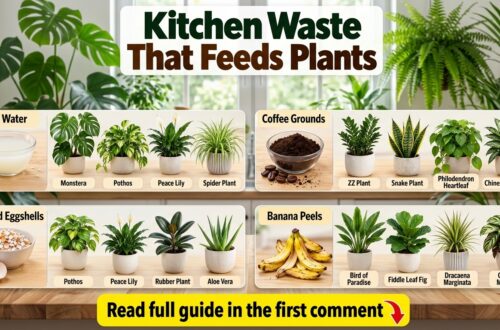
Are you looking for natural, cost-effective ways to give your garden a boost? Homemade DIY fertilizers can be fantastic for nurturing your plants and enriching your soil, but knowing the ‘right way’ to use them is crucial. Just like cooking, a little too much or the wrong application can do more harm than good. At Garden – L. Quyên, we love sharing simple, practical tips to help you grow a vibrant and healthy garden. Today, we’re diving into some popular kitchen scraps – coffee grounds, banana peels, and eggshells – and how to turn them into powerhouse plant food without making common mistakes.
Coffee Grounds: A Caffeine Kick for Your Soil
Coffee grounds are a fantastic addition to your garden, rich in nitrogen, magnesium, and potassium. They can help improve soil structure, attract beneficial worms, and even deter some pests. However, it’s essential to use them correctly to reap their benefits.
The Right Way to Use Coffee Grounds:
- Compost Booster: This is arguably the best way! Add spent coffee grounds directly to your compost pile. They’re considered a ‘green’ material and will decompose beautifully, adding nutrients and speeding up the composting process.
- Diluted Liquid Feed: For a gentle nutrient boost, soak about a cup of used coffee grounds in a gallon of water overnight. Strain the liquid and use it to water acid-loving plants like roses, hydrangeas, azaleas, or blueberries. This provides a mild nutrient solution without significantly altering soil pH.
- Light Top Dressing: Sprinkle a very thin layer (about 1/2 inch) of dried coffee grounds around the base of acid-loving plants. Mix them lightly into the top inch of soil. Using fresh or thick layers can create a barrier that repels water and can be too acidic for many plants.
Common Mistakes to Avoid:
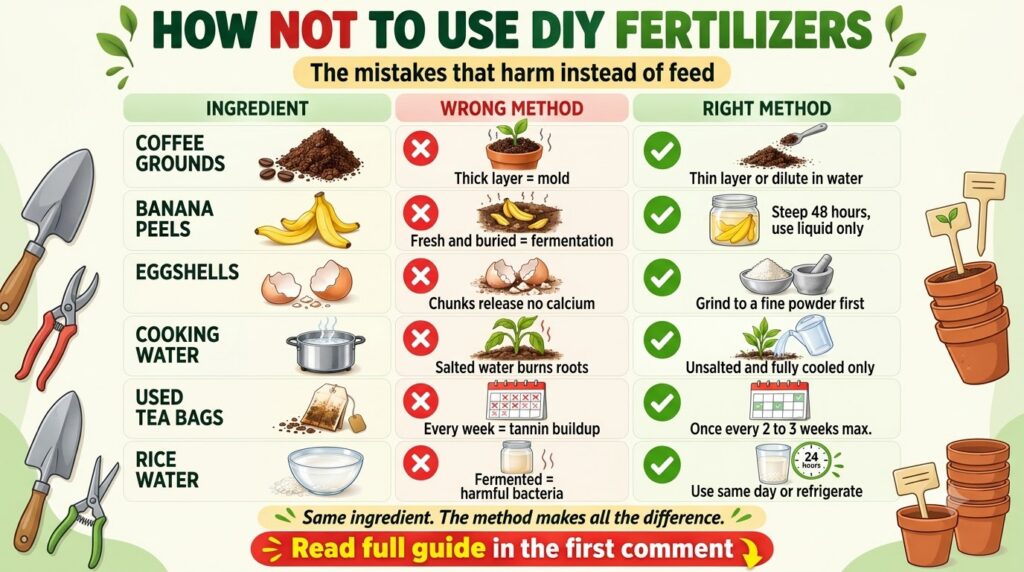
- Too Much Direct Application: Piling fresh coffee grounds directly around plants can make the soil too acidic and create a dense layer that hinders water penetration and air circulation.
- Using Fresh Grounds: Fresh coffee grounds are more acidic and can contain compounds that inhibit plant growth. Always use spent or dried grounds.
- Not Spreading Them Thinly: Thick layers can mold, compact, and attract pests. Always spread them thinly or mix them into the soil.
Banana Peels: Potassium Powerhouse
Banana peels are packed with potassium, phosphorus, and calcium – essential nutrients that promote strong root development, vibrant flowers, and healthy fruit production. They’re especially beneficial for flowering plants and fruit-bearing vegetables.
The Right Way to Use Banana Peels:
- Bury Them Deep: Chop banana peels into small pieces and bury them a few inches deep in the soil around your plants, especially tomatoes, peppers, and roses. This allows them to decompose slowly, releasing nutrients directly to the roots without attracting pests.
- Banana Peel Tea: Steep chopped banana peels in water for a few days (up to a week). Strain the liquid and use it to water your plants. This is an excellent liquid feed for a quick potassium boost.
- Dried & Powdered: Dehydrate banana peels until completely dry, then grind them into a powder. Sprinkle the powder around your plants or mix it into the soil. This provides a slow-release fertilizer and is less likely to attract pests.
Common Mistakes to Avoid:
- Leaving Whole Peels on the Surface: Whole banana peels on the soil surface can attract fruit flies, rodents, and other unwanted pests.
- Not Chopping Them: Large pieces take a long time to decompose, delaying nutrient release and potentially creating pest issues.
Eggshells: A Calcium Boost for Stronger Plants
Eggshells are an excellent source of calcium carbonate, which helps strengthen cell walls, prevent blossom end rot in tomatoes and peppers, and can slightly raise soil pH if needed. They also provide a gentle, slow-release nutrient source.
The Right Way to Use Eggshells:
- Finely Crushed: Wash and dry eggshells thoroughly. Crush them into as fine a powder as possible. The finer the powder, the faster the calcium will become available to your plants. Mix this powder into your soil before planting or sprinkle it around existing plants.
- Compost Addition: Add crushed eggshells to your compost pile. They break down over time, enriching your compost with calcium.
- Planting Hole Boost: Add a handful of crushed eggshells to the bottom of planting holes, especially for plants prone to calcium deficiencies like tomatoes, squash, and peppers.
Common Mistakes to Avoid:
- Using Unwashed Shells: Unwashed eggshells can attract pests and harbor bacteria. Always rinse them clean.
- Leaving Large Pieces: Large eggshell pieces take years to break down, offering little immediate benefit to your plants. Crush them thoroughly.
General Tips for Successful DIY Fertilizing
While DIY fertilizers are wonderful, remember these universal gardening principles:
- Moderation is Key: More isn’t always better. Start with small amounts and observe your plants’ reactions.
- Know Your Plants: Different plants have different needs. Research what your specific plants prefer.
- Soil Testing: Consider a soil test to understand your soil’s existing nutrient levels and pH. This will help you know exactly what your garden needs.
- Composting First: When in doubt, add your kitchen scraps to a compost pile. Composting breaks down materials into a stable, nutrient-rich amendment that’s almost universally beneficial for soil and plants.
Transforming your kitchen scraps into valuable plant food is a rewarding aspect of sustainable gardening. By understanding the right methods for coffee grounds, banana peels, and eggshells, you’re well on your way to a healthier, more vibrant garden the natural way. Happy growing, everyone!