Eggs are a true kitchen chameleon, transforming into countless delicious meals with just a few simple techniques. Far beyond a basic breakfast, eggs can be the star of brunch, a hearty dinner, or a quick snack. They are packed with protein, essential vitamins, and minerals, making them a fantastic choice for a healthy diet.
In this guide, we’ll explore eight popular and delicious ways to cook eggs, revealing the unique charm and versatility of each method. Whether you’re a seasoned chef or a kitchen novice, you’ll discover new favorites and perfect your egg-cooking skills!
Get ready to crack open a world of possibilities and master the egg in all its glory.
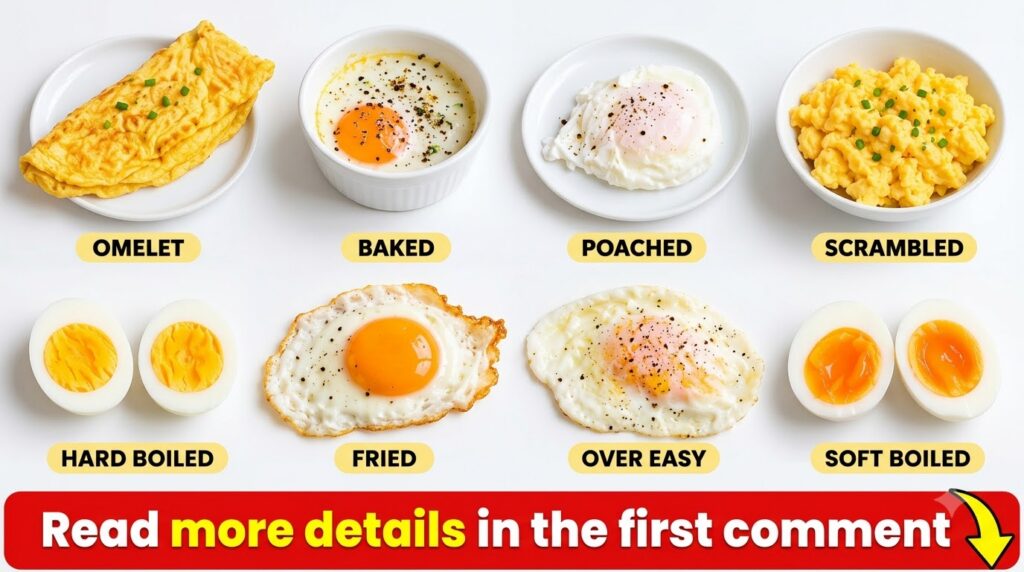
The Incredible, Edible Egg: 8 Cooking Methods Explained
Each egg preparation offers a unique texture, flavor, and culinary application. Let’s dive into the details of these eight popular methods.
1. Scrambled Eggs
Perhaps one of the most beloved and easiest ways to cook eggs, scrambled eggs are known for their soft, fluffy texture. They are incredibly versatile and can be customized with cheese, vegetables, or herbs.
- How to make them: Whisk eggs with a splash of milk or water, season, then cook gently in a buttered pan over medium-low heat, stirring until just set.
- Best for: A quick breakfast, breakfast burritos, or as a side with toast.
2. Fried Eggs
A classic for a reason, fried eggs can be cooked to various degrees of doneness, from a runny yolk to a firm one. The crispy edges and rich yolk make them a favorite.
- How to make them: Heat butter or oil in a pan, crack an egg directly into the pan, and cook until the whites are set and the yolk is cooked to your preference (sunny-side up, over easy, over medium, or over hard).
- Best for: Topping rice bowls, burgers, or enjoying simply with bacon and toast.
3. Poached Eggs
Often considered an elegant choice, poached eggs have a delicate, wobbly white and a perfectly runny yolk, without any added fat from cooking oil.
- How to make them: Bring a pot of water to a gentle simmer with a splash of vinegar. Crack an egg into a small bowl, then gently slide it into the simmering water. Cook for 3-4 minutes until the whites are set and the yolk is still runny.
- Best for: Eggs Benedict, avocado toast, or salads.
4. Hard-Boiled Eggs
A portable and protein-packed snack, hard-boiled eggs have firm whites and a solid, creamy yolk. They are perfect for meal prep.
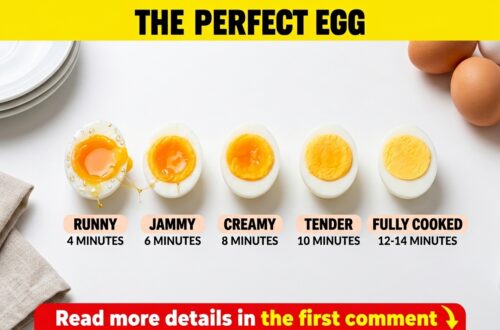
- How to make them: Place eggs in a pot, cover with cold water, and bring to a rolling boil. Turn off the heat, cover, and let sit for 9-12 minutes. Transfer to an ice bath to stop cooking.
- Best for: Salads, deviled eggs, or as a healthy snack on the go.
5. Soft-Boiled Eggs
Similar to hard-boiled but with a delightful runny yolk, soft-boiled eggs are a comforting treat, especially when served with toast for dipping.
- How to make them: Follow the same method as hard-boiled, but reduce the sitting time to 6-7 minutes for a runny yolk.
- Best for: Dipping toast soldiers, topping ramen, or with a simple green salad.
6. Omelets
An omelet is a folded egg dish that can be filled with a variety of ingredients, making it incredibly versatile. It’s a great way to use up leftover vegetables or cheeses.
- How to make them: Whisk eggs vigorously with a touch of water or milk, pour into a hot, buttered pan. Once the edges set, add your desired fillings to one half, then fold the other half over.
- Best for: A customizable breakfast, brunch, or a light dinner.
7. Baked Eggs
Also known as shirred eggs, baked eggs are cooked in individual ramekins, often with cream, cheese, or vegetables. They are simple to prepare and present beautifully.
- How to make them: Crack eggs into buttered ramekins, season, and optionally add cream or cheese. Bake in a preheated oven at 375°F (190°C) for 10-15 minutes until whites are set and yolks are to your liking.
- Best for: A fancy brunch, a cozy breakfast, or serving alongside crusty bread.
8. Frittatas
A frittata is an Italian egg dish similar to an open-faced omelet or crustless quiche. It’s usually started on the stovetop and finished in the oven, making it perfect for feeding a crowd.
- How to make them: Sauté vegetables and meats in an oven-safe skillet. Pour in whisked and seasoned eggs over the fillings. Cook on the stovetop for a few minutes until the edges set, then transfer to the oven to finish cooking until puffed and golden.
- Best for: Brunch, meal prep, potlucks, or a healthy weeknight dinner.
Practical Tips for Perfect Eggs Every Time
No matter which method you choose, a few simple tips can elevate your egg-cooking game:
- Use Fresh Eggs: Fresher eggs tend to hold their shape better, especially for poaching.
- Room Temperature Eggs: For more even cooking, take eggs out of the fridge about 15-20 minutes before cooking.
- Control the Heat: Many egg dishes benefit from medium-low to medium heat to prevent overcooking and achieve tender results.
- Season Well: Don’t forget salt and pepper! They make a huge difference in flavor.
- Don’t Overcook: Eggs can go from perfectly cooked to rubbery in a flash. Pay attention to timing and visual cues.
- Have the Right Tools: A good non-stick pan, a whisk, and a slotted spoon can make all the difference.
Common Egg Cooking Mistakes to Avoid
Even simple egg dishes can go wrong. Here are a few common pitfalls and how to avoid them:
- High Heat: Cooking eggs over heat that is too high can make them rubbery or dry and brown them too quickly.
- Too Much Stirring: For scrambled eggs, constant stirring can break them down too much. Gentle folding helps create soft curds.
- Cracking Eggs Directly into the Pan: For fried or poached eggs, cracking them into a small bowl first allows you to check for shells and ensures a smooth entry into the pan or water.
- Not Cooling Hard-Boiled Eggs: Skipping the ice bath for hard-boiled eggs can lead to a green ring around the yolk and make them harder to peel.
FAQs About Cooking Eggs
Q: What is the healthiest way to cook an egg?
A: Poached or boiled eggs are often considered the healthiest as they require no added fat during cooking. However, all egg cooking methods can be part of a healthy diet, especially when using minimal healthy fats.
Q: How can I tell if an egg is fresh?
A: A simple test is to place the egg in a glass of water. If it sinks and lies on its side, it’s very fresh. If it stands on one end but still touches the bottom, it’s still good but older. If it floats, it’s likely spoiled.
Q: Can I cook eggs in advance for meal prep?
A: Absolutely! Hard-boiled eggs are excellent for meal prep and can be stored in the refrigerator for up to one week. Frittatas and baked eggs also reheat well.
Q: What’s the difference between an omelet and a frittata?
A: An omelet is typically folded and serves one, with fillings added to one side before folding. A frittata is usually open-faced, started on the stovetop and finished in the oven, and can serve multiple people.
Q: How long do cooked eggs last in the fridge?
A: Hard-boiled eggs can last up to 7 days. Other cooked egg dishes like scrambled eggs or frittatas are best consumed within 3-4 days for optimal freshness and safety.
Q: Why do my poached eggs fall apart?
A: This often happens if the water is boiling too vigorously, the eggs aren’t fresh enough, or you didn’t add a splash of vinegar to the water. Vinegar helps the egg whites coagulate faster.
Conclusion
From the delicate poached egg to the robust frittata, eggs truly offer a world of culinary possibilities. They’re a nutritional powerhouse and an incredibly versatile ingredient that can elevate any meal. By understanding these eight delicious cooking methods and following our simple tips, you’re well on your way to mastering the egg and enjoying healthy, flavorful dishes every day.
Don’t be afraid to experiment with different techniques and flavor combinations. Your taste buds (and your family) will thank you!
This content is for educational purposes only and should not be considered medical advice. Consult a qualified healthcare professional for personalized dietary recommendations.