When a sweet craving hits, it’s easy to reach for a familiar dessert without much thought. But have you ever stopped to consider how different treats stack up nutritionally? Today, we’re diving into a delicious dilemma: sorbet versus watermelon. Both can satisfy your sweet tooth, but one offers a significantly lighter and more nutrient-dense experience.
In this article, we’ll break down the nutritional facts, compare their benefits, and help you make an informed choice for your next sweet indulgence. Get ready to discover which treat truly reigns supreme for a healthier lifestyle!
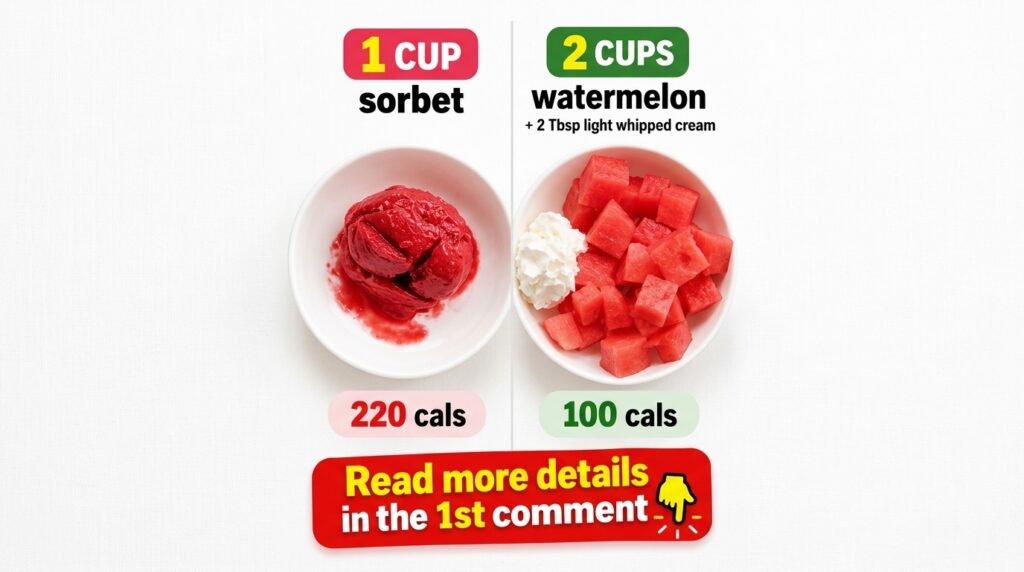
Nutrition Comparison: Sorbet vs. Watermelon
Let’s take a closer look at the nutritional breakdown for a typical serving of each. We’ll compare ½ cup (approximately 100g) of sorbet to 1 cup (approximately 150g) of diced watermelon.
| Food | Calories | Protein (g) | Carbs (g) | Sugar (g) | Fat (g) | Fiber (g) | Main Nutrients | Best Benefit |
|---|---|---|---|---|---|---|---|---|
| Sorbet (½ cup) | 120-150 | 0 | 30-40 | 25-35 | 0 | 0 | None significant | Cooling dessert |
| Watermelon (1 cup, diced) | 45-50 | 1 | 11-12 | 9-10 | 0 | 0.5 | Vitamin C, A, Potassium, Lycopene, Water | Hydration, Vitamins |
Calories
When it comes to calorie count, watermelon is the clear winner. A typical ½ cup serving of sorbet can contain 120-150 calories, primarily from sugar. In contrast, a generous 1-cup serving of diced watermelon provides only 45-50 calories. This significant difference makes watermelon an excellent choice for those managing their weight or simply looking for a lighter option.
Carbohydrates and Sugar
Both sorbet and watermelon contain carbohydrates, mainly in the form of sugar. However, the type and quantity differ. Sorbet’s sugars are often largely added sugars, contributing to its higher calorie density without much nutritional value. Watermelon’s sugars are naturally occurring, accompanied by essential vitamins and minerals. The sugar content in sorbet is also much higher per serving.
Hydration Power
Watermelon lives up to its name! It’s composed of over 90% water, making it incredibly hydrating. This high water content helps you feel full and refreshed, which can be particularly beneficial on a hot day or after exercise. Sorbet, while cold, does not offer the same level of natural hydration.
Vitamins and Minerals
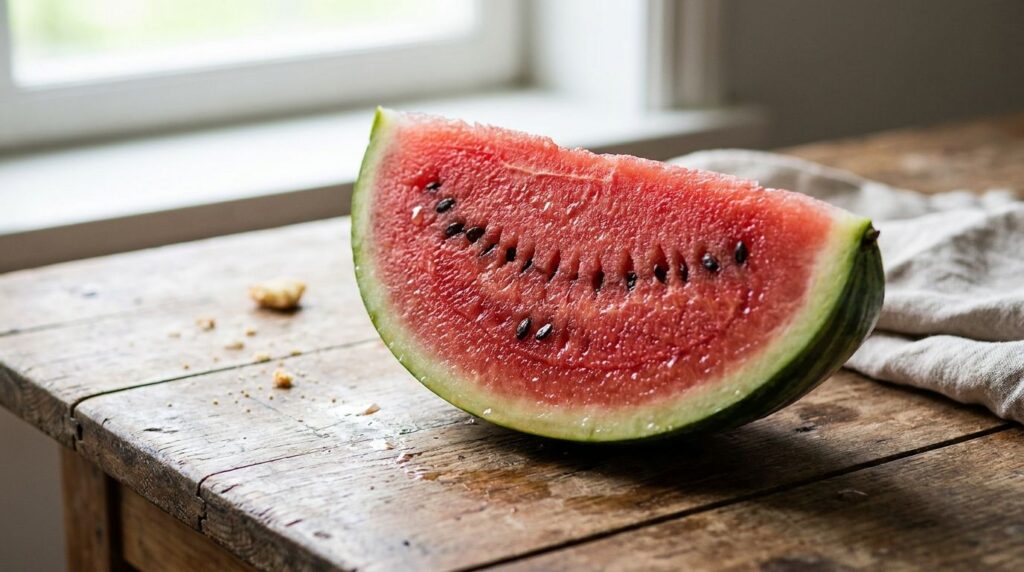
Watermelon is not just water and sugar; it’s also packed with beneficial nutrients. It’s a good source of Vitamin C, which supports immune health, and Vitamin A, important for vision. It also provides potassium, an electrolyte crucial for blood pressure regulation, and lycopene, a powerful antioxidant that may contribute to heart health and skin protection. Sorbet, unfortunately, offers very little in terms of vitamins and minerals.
Fiber Content
While neither is a high-fiber food, watermelon does offer a small amount of dietary fiber (around 0.5g per cup), which can aid in digestion. Sorbet typically contains no fiber.
Taste and Best For
Sorbet
- Taste: Intense, concentrated fruit flavor, often very sweet and tangy. The texture is icy and smooth.
- Best For: An occasional indulgent dessert, a palate cleanser between courses, or a refreshing treat when you specifically crave a rich, icy fruit flavor.
Watermelon
- Taste: Mildly sweet, incredibly refreshing, and subtly juicy. The texture is crisp and hydrating.
- Best For: A light snack, a hydrating treat on a hot day, a healthy dessert alternative, or as part of a fruit salad. Adding a dollop of light whipped cream, as shown in our comparison, can add a touch of creamy indulgence without significantly compromising its health benefits.
Winner: Watermelon for Everyday Sweetness
While sorbet can be a delightful treat, for an everyday sweet fix that supports your health goals, watermelon is the clear winner. It offers fewer calories, natural hydration, essential vitamins, and beneficial antioxidants. It’s a smart swap that doesn’t compromise on flavor or satisfaction.
Practical Tips for Healthier Sweet Choices
Making conscious choices about your sweet treats can significantly impact your overall health. Here are some actionable tips:
- Prioritize Whole Fruits: Opt for whole fruits like watermelon, berries, or apples as your first choice for a sweet craving. They provide fiber, vitamins, and natural sugars.
- Portion Control: If you do enjoy sorbet or other desserts, be mindful of your portion sizes. A small scoop is often enough to satisfy.
- Add Healthy Toppings: Enhance natural fruit with a sprinkle of cinnamon, a few fresh mint leaves, or a small dollop of plain Greek yogurt for added protein and flavor.
- Read Labels: Always check the nutrition labels, especially for added sugars. Look for options with fewer grams of added sugar per serving.
- Hydrate First: Sometimes, thirst can be mistaken for hunger or a craving for sweets. Try drinking a glass of water first.

FAQs
Is sorbet healthier than ice cream?
Generally, sorbet is lower in fat and often calories than traditional ice cream because it doesn’t contain dairy. However, it can still be very high in sugar.
Can I eat watermelon every day?
Yes, eating watermelon every day is generally healthy and can contribute to your hydration and nutrient intake, as part of a balanced diet.
What are the benefits of lycopene in watermelon?
Lycopene is an antioxidant that may help protect cells from damage, support heart health, and contribute to skin health by reducing sun damage.
How can I make watermelon more exciting?
Try pairing it with feta cheese and mint for a savory twist, blending it into a smoothie, or grilling it lightly for a unique flavor.
Does watermelon help with weight loss?
Its high water content and low calorie density can help you feel full, potentially reducing overall calorie intake, which may support weight management efforts.
Are there any downsides to eating too much watermelon?
While generally healthy, consuming excessive amounts could lead to high sugar intake for some individuals, or digestive upset due to its fiber and water content.
Conclusion
When it comes to satisfying your sweet cravings, making informed choices can empower you to enjoy delicious treats while supporting your health. Watermelon, with its exceptional hydration, essential nutrients, and lower calorie count, stands out as a fantastic option for a healthy and refreshing dessert. While sorbet can certainly be enjoyed in moderation, making simple swaps like choosing a juicy slice of watermelon can lead to healthier habits without sacrificing flavor.
Ready to explore more delicious and healthy food options? Dive into our other articles to discover smart eating tips, healthy recipes, and exciting food comparisons!
This content is for educational purposes only and should not be considered medical advice. Consult a qualified healthcare professional for personalized dietary recommendations.