When you think of staying hydrated, your first thought is probably reaching for a water bottle. While essential, hydration doesn’t only come from your water bottle! Many delicious and nutritious foods are packed with water, offering a tasty way to boost your daily fluid intake and support overall well-being. These hydrating foods can contribute significantly to your body’s needs, often bringing along a host of vitamins, minerals, and antioxidants.
In this article, we’ll explore a list of hydrating powerhouse foods, uncover why optimal hydration is crucial for your body, and provide practical tips for incorporating these water-rich ingredients into your everyday diet. Let’s dive in and discover how to quench your thirst and nourish your body from the inside out.
Hydrating Foods: More Than Just Water
Our bodies are composed of a significant percentage of water, making consistent hydration vital for nearly every bodily function. While plain water is paramount, these foods offer a flavorful alternative to help you meet your daily fluid requirements. Each of these options brings its own unique set of benefits, making them excellent additions to a balanced diet.
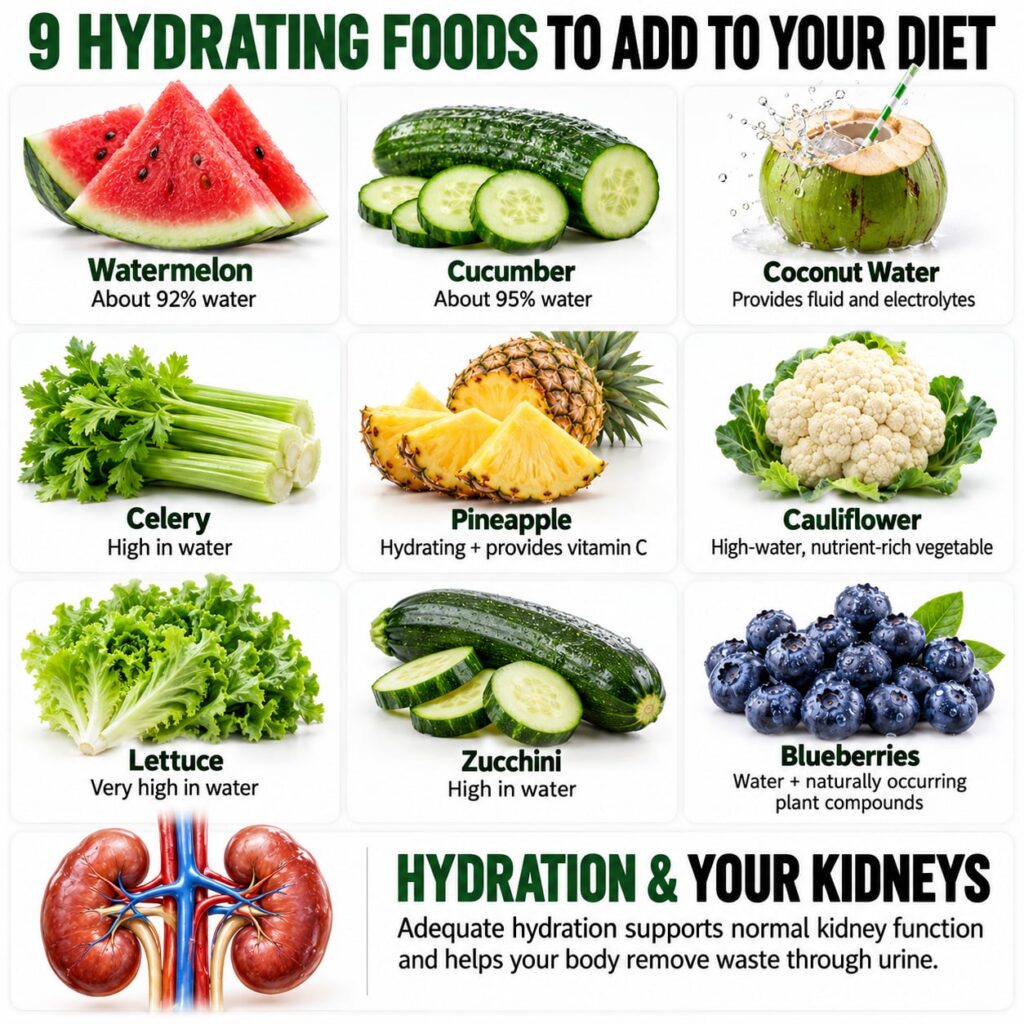
Watermelon
True to its name, watermelon is over 90% water, making it incredibly refreshing. It’s also a good source of vitamins A and C, and the antioxidant lycopene, which gives it its characteristic red color.
Cucumber
With an impressive 95% water content, cucumbers are one of the most hydrating vegetables. They’re also very low in calories and contain electrolytes like potassium, making them perfect for hot days or post-workout recovery. Add them to salads, sandwiches, or infuse your water for a subtle flavor.
Celery
Celery is another high-water content vegetable, often cited for its crisp texture and subtle flavor. Beyond hydration, it provides fiber and a range of vitamins and minerals, including vitamin K and folate.
Pineapple
This tropical fruit is not only delicious but also highly hydrating. Pineapple contains about 86% water and is rich in vitamin C and bromelain, an enzyme known for its potential anti-inflammatory properties. Enjoy it fresh, in smoothies, or as a vibrant addition to fruit salads.
Cauliflower
Often overlooked in the hydration conversation, cauliflower is about 92% water. This versatile cruciferous vegetable is also packed with fiber, vitamin C, and vitamin K, making it a nutritious choice for various dishes.
Lettuce
Especially varieties like iceberg and romaine, lettuce boasts a very high water content, often exceeding 95%. It’s a foundational ingredient for salads and wraps, offering a light and hydrating crunch.
Zucchini
This summer squash is approximately 95% water and is an excellent source of vitamin C and potassium. Zucchini can be grilled, roasted, spiralized into ‘noodles,’ or added to soups and stews for an extra hydrating boost.
Blueberries
These small, potent berries are about 85% water and are renowned for their high antioxidant content. Blueberries are delicious on their own, in yogurts, oatmeal, or smoothies, providing a hydrating and nutrient-dense snack.
Coconut Water
A natural electrolyte drink, coconut water is an excellent source of fluid and essential electrolytes like potassium, magnesium, and sodium. It’s a popular choice for rehydration, especially after exercise, and can be a healthier alternative to sugary sports drinks.
Why Optimal Hydration Matters
Staying adequately hydrated is fundamental for numerous bodily functions. It’s not just about quenching thirst; it’s about supporting vital processes that keep you healthy and energized:
- Kidney Function: Proper hydration is crucial for healthy kidneys, helping them filter waste products from your blood and excrete them through urine. When you’re well-hydrated, your kidneys can work more efficiently, preventing the buildup of toxins.
- Waste Removal: Water acts as a transporter, carrying nutrients to your cells and flushing out waste products. It aids in the removal of metabolic waste through sweat, urine, and bowel movements, contributing to overall detoxification.
- Body Temperature Regulation: Water helps regulate your body temperature through sweating.
- Joint Lubrication: It keeps your joints lubricated and can help prevent discomfort.
- Nutrient Absorption: Water is necessary for the absorption of vitamins, minerals, and glucose.
- Cognitive Function: Even mild dehydration can impact concentration, mood, and memory.
Important Considerations for Fluid Intake
While increasing your intake of hydrating foods and fluids is generally beneficial, it’s essential to consider individual health conditions. If you have specific health concerns, especially related to kidney function, or if you’ve been advised to restrict fluids, potassium, or other nutrients, always follow your healthcare professional’s recommendations. They can provide personalized advice tailored to your needs and ensure your hydration strategy supports your health goals safely.
Incorporating Hydrating Foods Into Your Diet
Making hydrating foods a regular part of your meals and snacks is simple and delicious. Here are some practical tips:
- Start Your Day Fresh: Add blueberries and watermelon to your breakfast smoothie or oatmeal.
- Snack Smart: Keep sliced cucumber, celery sticks, and fresh pineapple chunks readily available for easy snacking.
- Salad Power: Build your salads with a base of crisp lettuce and add ingredients like cucumber, celery, and even a sprinkle of cauliflower florets.
- Hydrating Drinks: Opt for coconut water as a natural electrolyte boost or infuse your plain water with cucumber and mint for a refreshing twist.
- Meal Prep for Success: Prepare fruit salads or chopped vegetables at the beginning of the week to ensure you always have hydrating options at hand for healthy meal prep ideas.
Hydrating Food FAQs
Can I get all my hydration from food?
While hydrating foods contribute significantly to your daily fluid intake, they generally cannot replace plain water entirely. Water is still the most efficient way to hydrate your body, and a combination of both water and water-rich foods is ideal for optimal hydration.
Are hydrating foods good for weight loss?
Many hydrating foods like fruits and vegetables are low in calories and high in fiber, which can help you feel full and satisfied. This can be beneficial for weight management as part of a balanced, calorie-controlled diet. They are also great for creating high-protein, low-calorie meals.