Are you starting to notice more white or gray hairs appearing and wondering if there are natural ways to bring back some of your hair’s youthful vibrancy? You’re not alone! Many people are turning to natural beauty remedies and discussing a particular DIY serum, often called ‘Black Serum,’ for its potential to revive hair color. This popular beauty routine is definitely worth learning about if you’re exploring natural hair care solutions!
We all desire luscious, healthy hair, and the journey of aging often brings changes, including the gradual appearance of gray or white strands. While there’s absolutely nothing wrong with embracing your natural grays, it’s also wonderful to know there are popular DIY options people are trying to maintain their hair’s natural pigment and overall health.
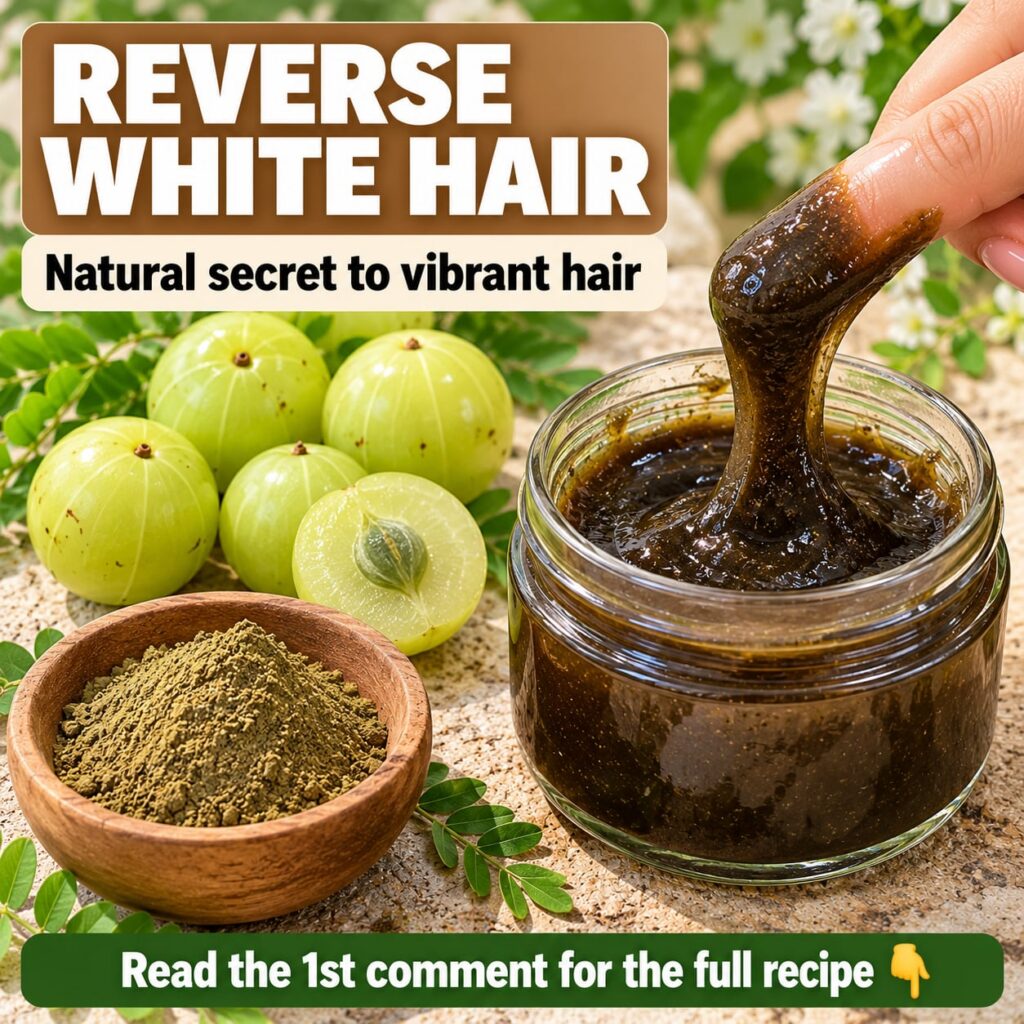
What is the “Black Serum” People Are Talking About?
The ‘Black Serum’ isn’t a single, rigid recipe, but rather a concept referring to various homemade concoctions primarily using ingredients known in traditional beauty practices for their hair-darkening and strengthening properties. The goal of these serums is often to nourish the scalp, promote healthy hair growth, and potentially reduce the appearance of white or gray hair over time, rather than acting as a dye.
The emphasis is on natural ingredients that are rich in antioxidants, vitamins, and minerals that support hair follicle health and pigment production. It’s a holistic approach to hair care that many find appealing.
Key Natural Ingredients Often Used
While recipes can vary, several powerful natural ingredients frequently appear in DIY ‘Black Serum’ recipes:
- Amla (Indian Gooseberry): A powerhouse of Vitamin C and antioxidants, Amla is revered in Ayurveda for its ability to strengthen hair follicles, prevent premature graying, and promote hair growth. It’s often considered a cornerstone ingredient for natural hair darkening.
- Fenugreek Seeds: These small seeds are packed with protein, iron, and nicotinic acid, which are all beneficial for hair health. They are commonly used to prevent hair loss and improve hair texture.
- Curry Leaves: Rich in antioxidants and amino acids, curry leaves are believed to help reduce hair fall, maintain natural hair pigment, and add shine.
- Black Seed Oil (Nigella Sativa): Known for its anti-inflammatory and antioxidant properties, black seed oil is thought to support scalp health and may even help in maintaining hair color.
- Coconut Oil or Sesame Oil: These are often used as carrier oils, providing deep conditioning and helping the other ingredients penetrate the hair shaft and scalp. They also offer their own benefits for hair strength and shine.
How People Prepare a DIY Black Serum
While specific recipes vary, here’s a general idea of how people commonly prepare a ‘Black Serum’ at home:
- Gather Ingredients: Start with fresh or dried Amla, fenugreek seeds, curry leaves, and your chosen carrier oil (like coconut or sesame oil). Some might also add a few drops of black seed oil.
- Prepare the Infusion: Typically, the solid ingredients (Amla, fenugreek, curry leaves) are gently heated in the carrier oil over low heat. This slow heating process allows the beneficial compounds to infuse into the oil.
- Cool and Strain: Once the mixture has cooled, it’s strained to separate the oil from the solids, leaving behind an infused ‘black serum.’
- Store: The serum is then stored in a clean, airtight glass bottle, ideally in a cool, dark place.
Applying the Serum
Most enthusiasts suggest massaging the serum into the scalp and working it through the hair strands. It’s often left on for a few hours or even overnight before washing it off with a mild shampoo. Consistency is key, with many recommending regular application (e.g., 2-3 times a week) to see potential benefits.
Important Considerations Before You Try This
While natural remedies are popular, it’s essential to approach them with realistic expectations and caution:
- Results Vary: Natural serums typically work slowly and subtly. They are not dyes and may not dramatically change hair color instantly or for everyone. Their main goal is often to support overall hair health and potentially slow down the graying process.
- Patch Test: Always perform a patch test on a small area of skin (like behind your ear) 24 hours before applying any new DIY product to your scalp and hair to check for allergic reactions or sensitivities.
- Consult a Professional: If you have underlying scalp conditions or severe hair loss, it’s always best to consult with a dermatologist or hair care professional before trying new remedies.
- Natural Doesn’t Mean “No Reactions”: Even natural ingredients can cause reactions in some individuals. Be mindful of how your skin and hair respond.
Exploring natural ways to care for your hair can be a rewarding journey. This ‘Black Serum’ is a testament to the enduring appeal of traditional remedies. By understanding its ingredients and how people are using it, you can decide if this popular beauty routine is right for you and your hair care goals. Here’s to healthy, vibrant hair!