Explore a simple, natural Japanese-inspired hair growth oil recipe designed to help nourish your scalp and encourage the appearance of longer, stronger hair.
Unlocking Ancient Hair Growth Secrets with a DIY Japanese Hair Oil
Learn how to create your own Japanese-inspired hair oil blend, a natural remedy often used to support healthy hair growth and overall hair vitality. This easy-to-make oil leverages the power of natural ingredients to give your hair a nourished boost.

Quick Recipe
Prep time: 10 minutes (plus infusion time)
Best for: Supporting hair growth, scalp health, and strengthening hair strands.
Use type: Hair oil
Main ingredients:
- Carrier oil (like Jojoba, Argan, or Coconut oil)
- Small dark seeds (such as Nigella Sativa or black cumin seeds)
- Optional: Hair-friendly essential oil (like Rosemary or Peppermint)
Ingredients
- ½ cup of a light carrier oil (Jojoba oil, Argan oil, or extra virgin Coconut oil work well)
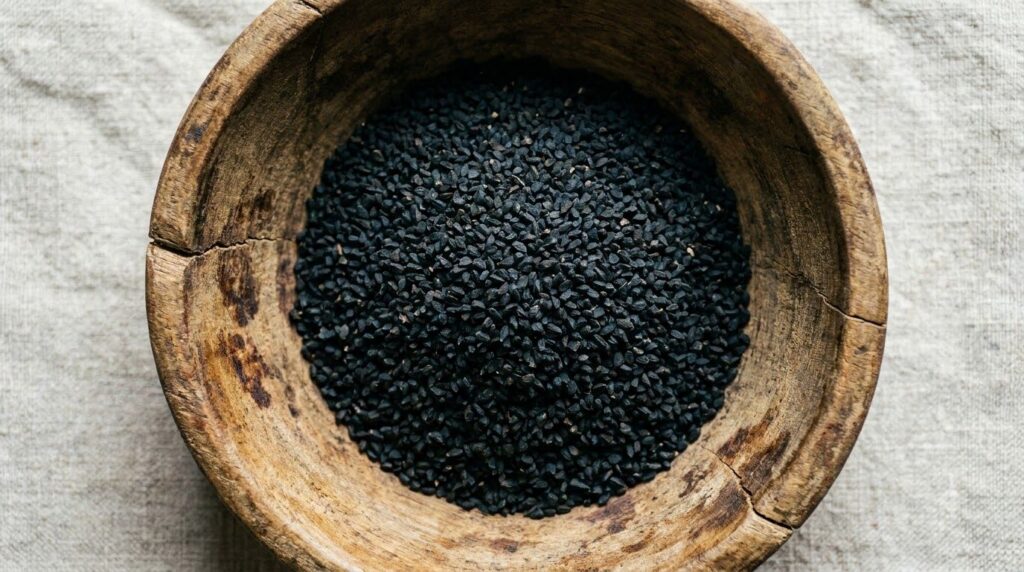
- 2 tablespoons of small dark seeds (Nigella Sativa seeds, often called black seeds or black cumin seeds)
- 5-10 drops of Rosemary or Peppermint essential oil (optional, but beneficial for scalp stimulation)
- A clean, dry glass bottle or jar with a lid for storage
- A fine-mesh strainer or cheesecloth
How to Make It
Follow these simple steps to prepare your nourishing Japanese-inspired hair oil:
- Prepare the Seeds: Gently crush the small dark seeds using a mortar and pestle or by placing them in a Ziploc bag and lightly rolling them with a rolling pin. This helps release their beneficial compounds. Do not grind them into a fine powder.
- Combine Seeds and Carrier Oil: Pour your chosen carrier oil into the clean glass bottle or jar. Add the crushed seeds to the oil. Stir gently to ensure the seeds are fully submerged.
- Infuse the Oil: There are two main methods for infusion:
- Warm Infusion: Place the uncovered jar in a saucepan filled with about an inch of water, creating a double boiler. Heat over low heat for 1-2 hours, making sure the water doesn’t boil. This gentle heat helps extract the properties from the seeds.
- Sun Infusion: Seal the jar tightly and place it in a sunny spot for 1-2 weeks. Shake the jar gently once a day to help distribute the seeds and aid the infusion process.
- Strain and Add Essential Oil: Once infused, allow the oil to cool completely if using the warm infusion method. Strain the oil through a fine-mesh strainer or cheesecloth into a new, clean glass bottle, ensuring all seed particles are removed. Discard the used seeds. If using essential oils, add 5-10 drops to the strained oil and shake gently to combine.
- Store the Oil: Cap the bottle tightly and store your finished hair oil in a cool, dark place away from direct sunlight. It should last for several months.
How to Use It
For best results, incorporate this hair oil into your regular beauty routine:
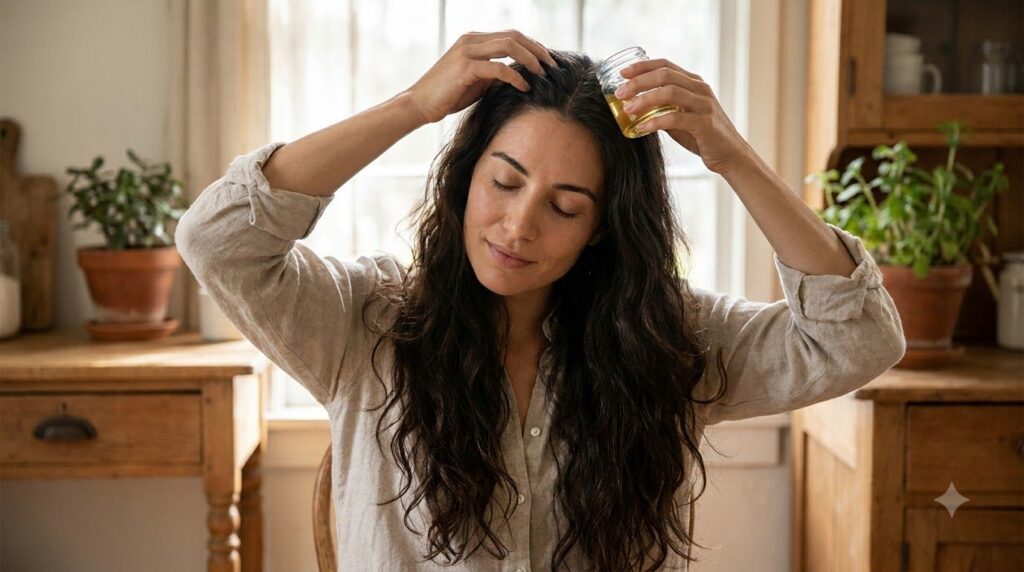
- Scalp Application: Part your hair into sections. Apply a small amount of the oil directly to your scalp using your fingertips or a dropper.
- Massage Gently: Using circular motions, massage the oil into your scalp for 5-10 minutes. This helps stimulate blood circulation and ensures better absorption of the oil’s beneficial compounds.
- Hair Strand Application: If desired, apply a small amount of oil to the lengths and ends of your hair to help nourish and condition them.
- Leave-in Time: Leave the oil on for at least 30 minutes, or for a deeper treatment, you can leave it on overnight (cover your pillow with an old towel to protect it).
- Rinse Thoroughly: Wash your hair with a mild shampoo, ensuring all traces of oil are removed. You may need to shampoo twice.
How Often to Use It
For optimal benefits, use this Japanese-inspired hair oil 1-2 times per week. Consistency is key when aiming to support hair health and growth over time.
Why These Ingredients Are Used
Carrier Oil
Carrier oils like Jojoba, Argan, and Coconut oil are rich in essential fatty acids and vitamins that help to moisturize and protect the hair and scalp. They serve as an excellent base for infusing other beneficial ingredients and can help improve hair’s softness and shine.
Small Dark Seeds (Nigella Sativa)
These seeds, often known as black cumin seeds, have been traditionally used in various cultures for their potential medicinal and beauty benefits. In hair care, they are believed to possess properties that can help support a healthy scalp environment and promote the appearance of stronger, healthier hair.
Rosemary or Peppermint Essential Oil
Rosemary essential oil is widely recognized for its stimulating properties, which may help improve circulation to the scalp and support hair follicle health. Peppermint essential oil offers a refreshing sensation and is also known to help promote a healthy scalp. Both are popular choices in natural hair growth remedies.
What Results to Expect
With consistent use, this DIY Japanese hair oil may help your hair feel softer, look shinier, and appear more vibrant. It can also support a healthier-looking scalp, which is fundamental for overall hair vitality and can help improve the appearance of hair growth over time. Remember that individual results may vary, and natural remedies often require patience.
Safety Notes
- Patch Test First: Always perform a patch test on a small area of your skin (like behind the ear or inner arm) at least 24 hours before full application to check for any allergic reactions or sensitivities.
- Use Gently: Apply the oil and massage your scalp gently to avoid irritation.
- Avoid Irritated or Broken Skin: Do not apply the oil to a scalp that is irritated, broken, or has any open sores.
- Stop Using If Discomfort Occurs: If you experience any redness, itching, burning, or irritation, discontinue use immediately.
- Essential Oil Dilution: Ensure essential oils are properly diluted in a carrier oil before applying to the skin.
- External Use Only: This remedy is for external, topical use on hair and scalp only. Do not ingest.
FAQ
Can I use different seeds?
While Nigella Sativa (black seeds) are traditionally potent, you can experiment with other hair-friendly seeds like fenugreek or mustard seeds, which also have traditional uses in hair care. Always research their properties and safety before use.
How long does it take to see results?
Natural remedies work gradually. You might notice softer and shinier hair within a few weeks. Supporting the appearance of hair growth typically takes consistent use over several months (e.g., 2-3 months) to observe noticeable changes.
Can I leave the hair oil on overnight?
Yes, leaving the oil on overnight can provide a deeper conditioning treatment. Just be sure to protect your pillow with a towel to avoid oil stains, and wash your hair thoroughly in the morning.
Final Thoughts
Embracing a DIY Japanese-inspired hair oil can be a wonderful way to nourish your hair and scalp using natural ingredients. By making this simple blend a consistent part of your routine, you’re investing in the long-term health and vitality of your locks. Give it a try and share your experience with us!