Most people eagerly await the sweet, succulent fruit of the fig tree, often overlooking the true powerhouse that remains attached to the branch: its leaves. While the fruit gets all the attention, traditional herbalists and natural remedy enthusiasts have long treasured fig leaves for their unique properties and versatility. This is the part most people skip, yet it holds a wealth of practical applications for your well-being.
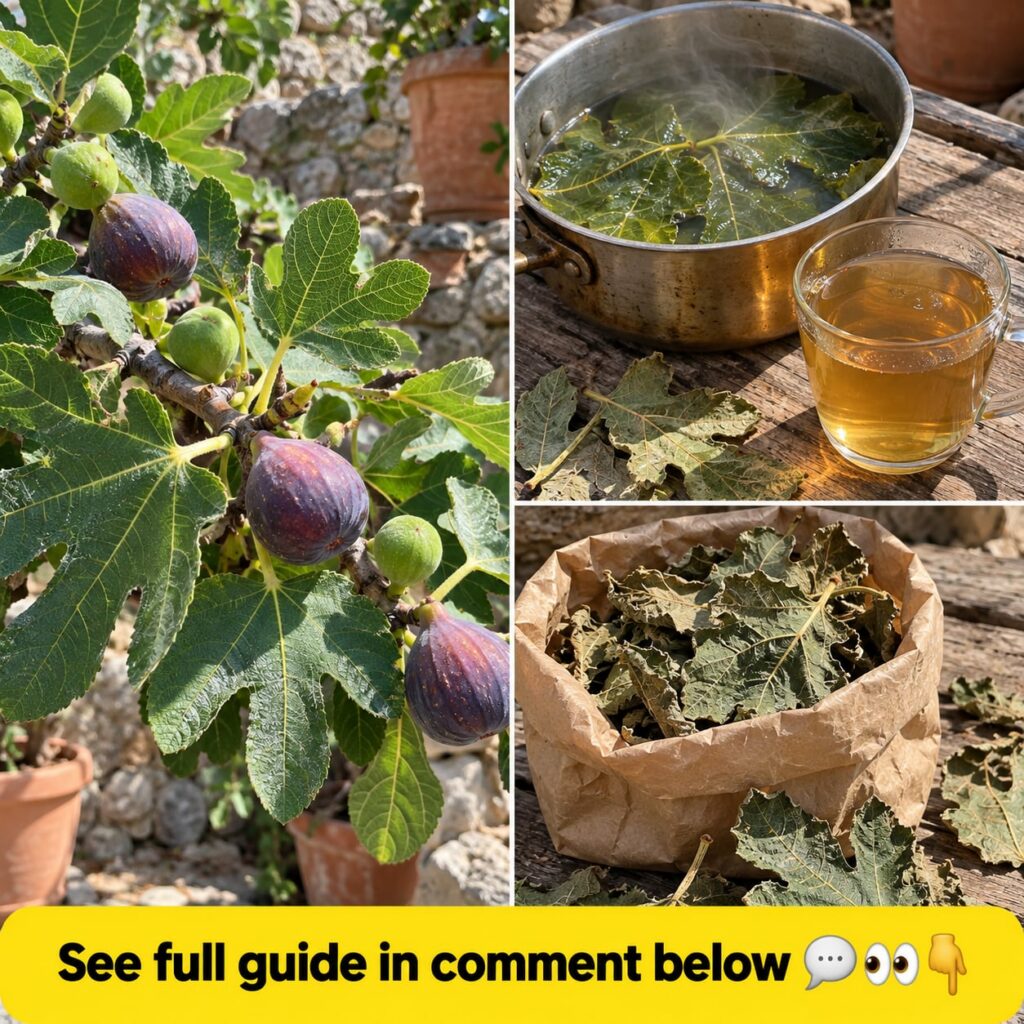
What Are Fig Leaves?
Fig leaves come from the Ficus carica tree, a species cultivated for thousands of years. These broad, lobed leaves are more than just a canopy for the fruit; they contain a unique profile of compounds, including flavonoids, phenols, and natural acids. Unlike the sweet pulp of the fig fruit, the leaves possess a more earthy, slightly bitter aroma, which transforms into a pleasant, mild flavor when prepared correctly as a tea or infusion. Many cultures have used them in various culinary and traditional health practices, recognizing their distinct contribution.
Fig Leaf Tea: Your Simple Preparation
One of the easiest and most effective ways to incorporate fig leaves into your routine is by brewing them into a nourishing tea. This preparation allows you to extract many of their beneficial compounds into a warming, comforting drink. It’s a gentle yet potent way to experience the hidden potential of this remarkable plant.
Ingredients
- 2-3 fresh fig leaves (medium-sized) OR 1-2 tablespoons dried, crushed fig leaves
- 2 cups filtered water
- Optional: Honey or a slice of lemon for taste
Approximate Measurements
For a standard serving, 2 cups of water to 2-3 fresh leaves (or 1-2 tbsp dried) creates a balanced infusion. Adjust the leaf quantity based on your desired strength and personal preference.
Formula / Recipe
The basic formula for fig leaf tea is straightforward: infusion. Heat water to just before boiling, then steep the leaves. This method ensures that delicate compounds are preserved without being degraded by excessive heat.
Step-by-Step Method
- Prepare the Leaves: If using fresh fig leaves, rinse them thoroughly under cold water to remove any dust or residue. Gently pat them dry. You can tear them into smaller pieces to maximize surface area for infusion. If using dried leaves, simply measure them out.
- Heat the Water: Bring 2 cups of filtered water to a rolling boil in a pot.
- Infuse: Remove the pot from the heat immediately. Add the prepared fig leaves to the hot water.
- Steep: Cover the pot with a lid and let the leaves steep for 10-15 minutes. For a stronger tea, you can steep for up to 20 minutes, but avoid over-steeping, which can lead to a more bitter taste.
- Strain and Serve: Strain the tea through a fine-mesh sieve into a mug, discarding the used leaves.
- Optional Additions: If desired, add a teaspoon of honey or a squeeze of fresh lemon juice to enhance the flavor.
How to Use
Sip your freshly brewed fig leaf tea slowly, ideally between meals. It can be enjoyed warm or allowed to cool for a refreshing iced tea. Many find it particularly soothing in the morning or early afternoon.
How Often to Use
For general wellness support, drinking 1-2 cups of fig leaf tea per day is a common practice. Listen to your body and adjust as needed. It’s generally recommended to use it consistently for a few weeks to observe its effects.
How to Buy / How to Choose Ingredients
The best fig leaves come from organic, unsprayed fig trees. If you have access to a fig tree, harvesting your own fresh leaves is ideal. Choose healthy, vibrant green leaves free from blemishes or insect damage. If buying dried leaves, look for reputable herbal suppliers who can verify their sourcing and ensure the leaves are free from contaminants.
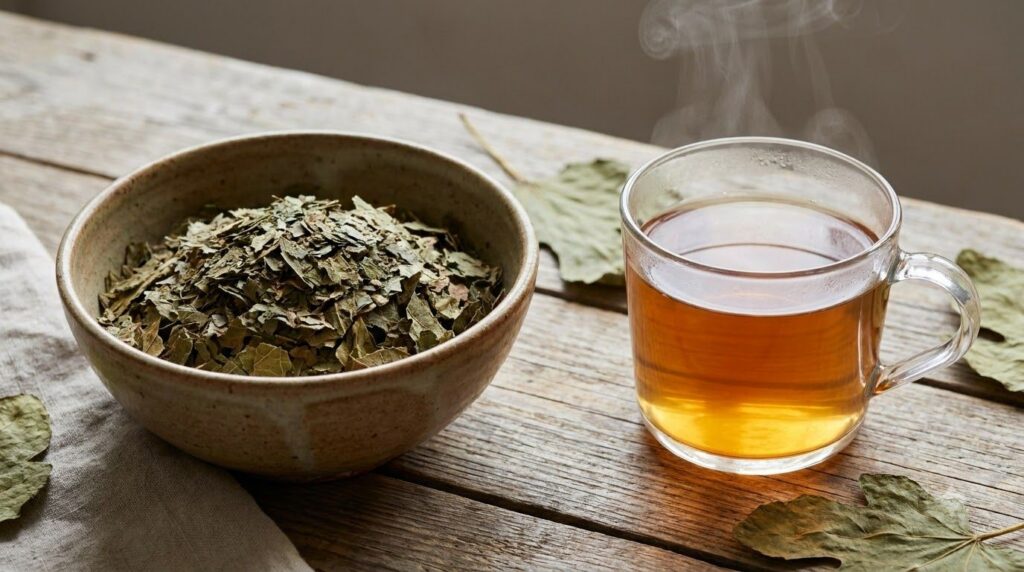
Quick Tip: Fresh vs. Dried
While fresh leaves offer a more robust flavor, dried leaves are a convenient alternative for year-round use. Drying preserves many of the beneficial compounds, making them a perfectly viable option.
| Feature | Fresh Fig Leaves | Dried Fig Leaves |
|---|---|---|
| Flavor Profile | More vibrant, earthy, slightly greener | Milder, slightly sweeter, more concentrated |
| Availability | Seasonal (spring through early fall) | Year-round |
| Preparation | Rinse, tear; may require more leaves | Measure, steep; concentrated |
| Storage | Refrigerate for a few days | Store in airtight container for months |
| Potency | Excellent | Excellent, often more concentrated by weight |
Storage
- Fresh Leaves: Wrap fresh fig leaves in a damp paper towel and store them in a plastic bag in the refrigerator for up to 3-5 days. For longer storage, you can dry them.
- Dried Leaves: Store dried, crushed fig leaves in an airtight glass jar away from direct sunlight and heat. They can maintain their potency for up to 6-12 months.
Practical Tips
- Drying Your Own: To dry fresh leaves, wash them thoroughly and lay them flat on a clean screen or hang them in a well-ventilated, shaded area until crisp. This can take several days to a week. Once fully dry, crumble them and store.
- Beyond Tea: Fig leaves can also be used to wrap foods for baking or grilling, imparting a subtle flavor. You may also like: Fig Leaf Infused Oil: A Natural Skincare Secret.
Common Mistakes
- Using Sprayed Leaves: Always ensure your fig leaves come from plants that have not been treated with pesticides or herbicides. Contaminants can negate any potential benefits and be harmful.
- Boiling Too Long: Bringing the leaves to a boil or simmering them for extended periods can destroy some of the delicate compounds, leading to a less effective and more bitter tea. Always steep in hot, not boiling, water.
- Over-Steeping: While a stronger tea might seem better, over-steeping beyond 20 minutes can result in an overly bitter taste due to the release of tannins.
- Improper Storage: Storing fresh leaves in a sealed, unventilated bag can lead to mold. Dried leaves exposed to humidity will lose potency and can also mold.
Cautions / Who Should Avoid It
While generally considered safe for most people in moderation, fig leaves do contain furocoumarins, which can cause skin photosensitivity in some individuals upon direct contact with the sap. When consuming, it’s always wise to start with a small amount to assess your tolerance. Pregnant or breastfeeding individuals, those on blood-thinning medication, or individuals with known allergies to figs or other plants in the Moraceae family should consult a healthcare professional before incorporating fig leaf tea into their routine.

Quick Summary
Fig leaf tea is a simple, natural remedy. Prepare it by steeping 2-3 fresh or 1-2 tablespoons dried leaves in 2 cups of hot (not boiling) water for 10-15 minutes. Use 1-2 cups daily for general wellness. Source organic leaves, store fresh ones in the fridge, and dried ones in an airtight container. Avoid sprayed leaves, over-boiling, and improper storage. Consult a professional if pregnant, breastfeeding, or on medication.
FAQ
- Can I use fresh or dried fig leaves? Yes, both fresh and properly dried fig leaves can be used for tea. Refer to the table above for differences.
- How long does fig leaf tea last? Freshly brewed tea is best consumed within 24 hours if refrigerated.
- Can I refrigerate fig leaf tea? Yes, you can store brewed tea in a sealed container in the refrigerator for up to 24 hours.
- How often should I drink fig leaf tea? 1-2 cups per day is a common recommendation for general wellness, but adjust based on your body’s response.
- What part of the fig plant is best for tea? The leaves are specifically used for this tea, distinct from the fruit.
- Can I reuse the fig leaves for another batch of tea? It’s not recommended. The beneficial compounds are largely extracted during the first steep.
- When should I avoid fig leaf tea? Avoid if pregnant, breastfeeding, on blood thinners, or if you have a known allergy. Consult a doctor if unsure.
- Does fig leaf tea taste like figs? No, it has an earthy, slightly green, and mild flavor, not the sweet taste of the fruit.
Conclusion
The fig tree offers more than just its delightful fruit; its leaves provide a simple, accessible pathway to a traditional remedy. By preparing a straightforward fig leaf tea, you can tap into the plant’s often-overlooked potential, integrating a piece of ancient wisdom into your modern routine. Remember to source your leaves carefully, follow the preparation steps, and listen to your body to make the most of this natural gift. For more natural remedies, read more: Understanding Herbal Infusions: Beyond Basic Teas.
