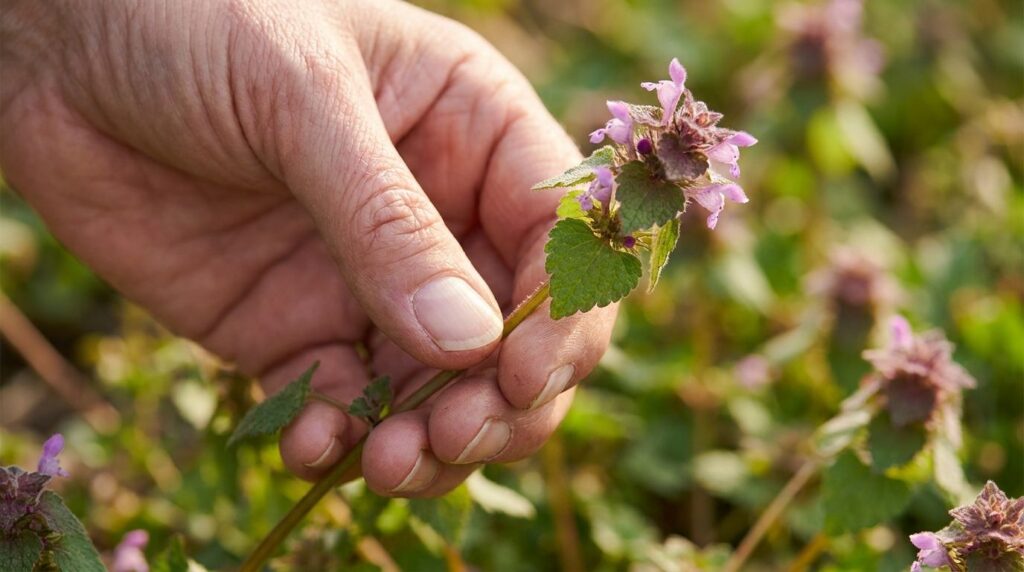
Most people pull purple dead nettle from their gardens, treating it as nothing more than a common weed. Yet, this unassuming plant, with its delicate purple flowers and square stems, holds a fascinating place in traditional herbal wisdom, particularly for supporting arterial health. Before you reach for the garden shears again, let’s explore how this often-overlooked herb can become a valuable addition to your natural wellness routine.
Many herbs offer general wellness benefits, but purple dead nettle stands out for its specific historical use in contexts related to circulatory well-being. Understanding how to properly identify, harvest, and prepare this plant is key to unlocking its potential.
What is Purple Dead Nettle?
Purple dead nettle (Lamium purpureum) is a member of the mint family, identifiable by its square stems and distinctive purple-tinged upper leaves that cluster around small, purplish-pink flowers. It’s an edible annual herb that thrives in temperate climates, often appearing in early spring. Despite its common name, it’s not related to stinging nettle (Urtica dioica) and doesn’t sting.
Historically, it has been valued for its unique blend of compounds, including flavonoids, lignans, and iridoid glycosides. These components are thought to contribute to its traditional uses in supporting the body’s natural processes, including those involved in maintaining a healthy circulatory system.
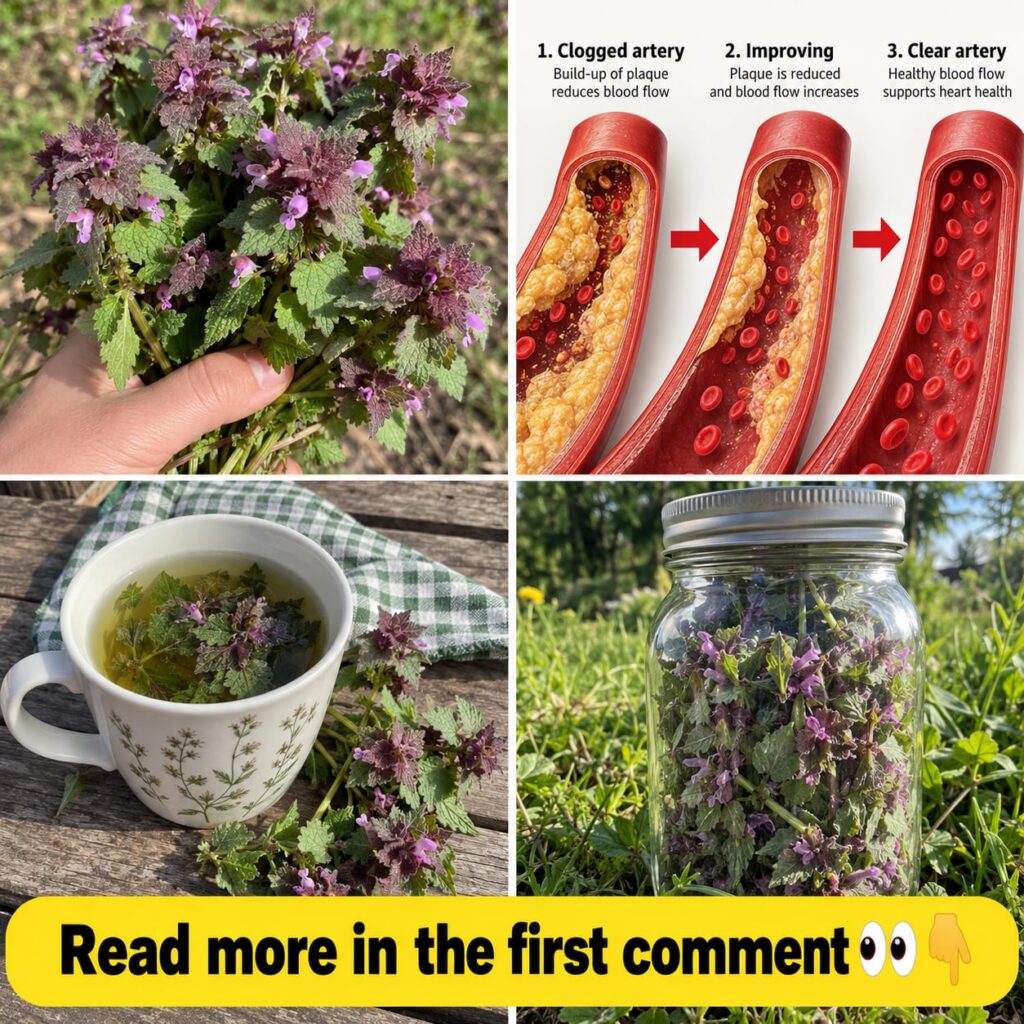
Ingredients for Purple Dead Nettle Infusion
- Fresh or dried purple dead nettle plant material (leaves, stems, flowers)
- Water (filtered is best)
Approximate Measurements
- Fresh Purple Dead Nettle: 1/4 to 1/2 cup, loosely packed
- Dried Purple Dead Nettle: 1-2 tablespoons
- Water: 8-10 ounces (1 cup to 1 1/4 cups)
Formula / Recipe: Purple Dead Nettle Infusion (Tea)
The simplest and most common way to harness purple dead nettle’s properties is through an infusion. This method extracts the water-soluble compounds effectively.
Step-by-Step Method
- Harvest or Acquire: If harvesting fresh, choose healthy, vibrant plants away from roadsides or areas sprayed with pesticides. Gently rinse under cool water. If using dried, ensure it’s from a reputable source.
- Prepare the Herb: Roughly chop fresh purple dead nettle. If using dried, no chopping is needed.
- Heat Water: Bring your measured water to a boil.
- Combine: Place the prepared purple dead nettle in a mug or a heat-safe jar. Pour the hot water over the herb.
- Steep: Cover the mug/jar to retain volatile compounds. Steep for 10-15 minutes. For a stronger infusion, you can steep for up to 30 minutes.
- Strain: Strain the liquid through a fine-mesh sieve into another cup, discarding the plant material.
- Serve: Enjoy warm. You may add a touch of honey or lemon if desired, though it has a mild, earthy taste on its own.
How to Use
This infusion is primarily consumed as a beverage. It can be a gentle way to incorporate the plant’s benefits into your diet, especially if you are focusing on natural ways to support overall wellness, including circulatory health.
How Often to Use
For general wellness support, drinking 1-2 cups of purple dead nettle infusion per day is common. It’s advisable to start with a smaller amount and observe how your body responds.
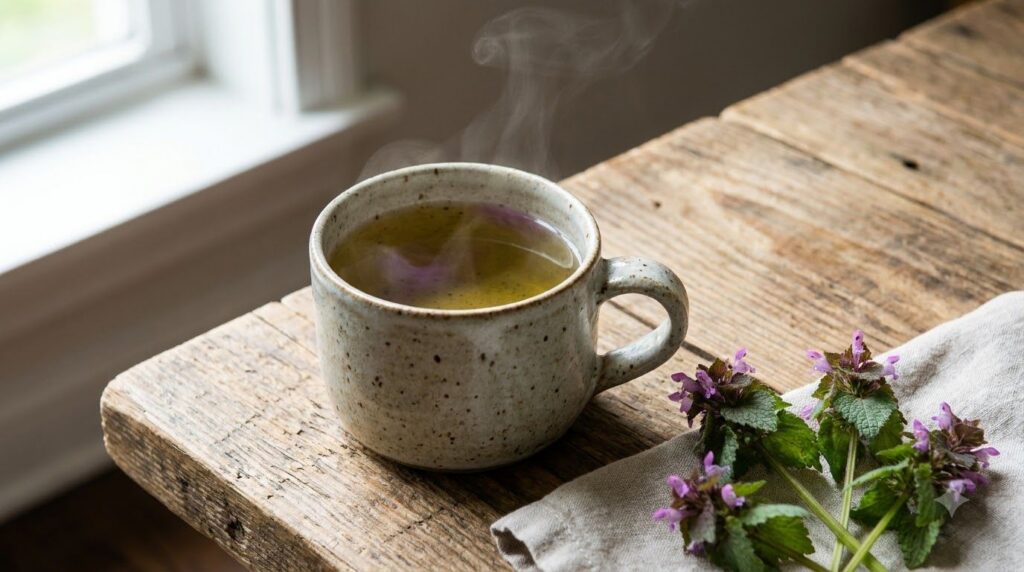
How to Buy / How to Choose Ingredients
The best way to acquire purple dead nettle is often by foraging it yourself, given its widespread presence. However, ensure you correctly identify it and harvest from clean, uncontaminated areas. If foraging isn’t an option, look for reputable herbal suppliers who sell dried purple dead nettle. Prioritize organic or wild-crafted sources to avoid pesticides.
Storage
- Fresh Herb: Freshly harvested purple dead nettle can be stored in the refrigerator in a loose bag for 2-3 days, similar to other fresh greens.
- Dried Herb: Once dried, store purple dead nettle in an airtight container in a cool, dark, dry place. It can last for up to a year.
- Prepared Infusion: The infusion is best consumed fresh. If you have leftovers, store them in the refrigerator for no more than 24 hours.
Practical Tips
Purple dead nettle is also edible raw! You can add fresh leaves and flowers to salads, smoothies, or sandwiches for a nutritional boost. Its mild, slightly earthy flavor makes it versatile.
Common Mistakes
- Misidentification: Confusing purple dead nettle with other plants can be dangerous. Always be 100% sure of your identification before consuming any wild plant.
- Harvesting from Contaminated Areas: Avoid harvesting near busy roads, industrial sites, or areas that may have been sprayed with herbicides or pesticides.
- Over-boiling: Boiling the herb directly in water for too long can degrade some of its delicate compounds. An infusion (pouring hot water over the herb) is generally preferred.
- Ignoring Your Body: While generally considered safe, pay attention to any unusual reactions, especially when trying a new herb.
Comparison: Fresh vs. Dried Purple Dead Nettle
| Feature | Fresh Purple Dead Nettle | Dried Purple Dead Nettle |
|---|---|---|
| Potency | Generally higher in certain volatile compounds | Concentrated, but some compounds may be lost during drying |
| Flavor | Milder, slightly green/earthy | More pronounced, earthy, sometimes slightly grassy |
| Convenience | Requires immediate use or drying | Shelf-stable, ready for use anytime |
| Availability | Seasonal (early spring to late fall) | Year-round if properly stored or purchased |
Cautions / Who Should Avoid It
Purple dead nettle is generally considered safe for most people when consumed in moderate amounts. However, certain individuals should exercise caution:
- Pregnant or Breastfeeding Women: Consult a healthcare professional before use due to limited research on this population.
- Individuals on Medication: If you are taking any prescription medications, especially blood thinners or those for cardiovascular conditions, speak with your doctor before incorporating purple dead nettle into your routine, as potential interactions are not fully understood.
- Allergies: If you have allergies to other plants in the mint family, proceed with caution.
Quick Summary
Purple dead nettle offers a simple, accessible way to support arterial wellness through a gentle herbal infusion. Best prepared as a tea, it’s easy to make from fresh or dried material. Remember to prioritize proper identification, harvest from clean areas, and store your herbs correctly. Start with moderate amounts and always listen to your body.
You may also like: The Complete Guide to Lemon Water for Daily Detox
FAQ
- Can I use purple dead nettle raw?
Yes, fresh purple dead nettle leaves and flowers are edible raw and can be added to salads or smoothies. - How long does the dried herb last?
When stored in an airtight container in a cool, dark place, dried purple dead nettle can last up to one year. - Can I refrigerate the infusion?
Yes, you can refrigerate the prepared infusion for up to 24 hours, though it’s best consumed fresh. - How often should I use it?
For general wellness, 1-2 cups per day is a common recommendation, but adjust based on your personal response. - What part of the plant is best to use?
The entire aerial part of the plant (leaves, stems, flowers) can be used for infusions. - Does purple dead nettle sting like stinging nettle?
No, despite its name, purple dead nettle is not related to stinging nettle and does not sting. - Where is the best place to find purple dead nettle?
It commonly grows in gardens, fields, and disturbed areas in temperate climates, often appearing in early spring. - Can children consume purple dead nettle?
While generally considered safe, it’s always best to consult a pediatrician before giving any herbal remedies to children.
Read more: Turmeric for a Radiant Skin Glow: Beyond the Spice Rack
Conclusion
Far from just a garden pest, purple dead nettle offers a simple yet profound connection to nature’s support for arterial wellness. By understanding its properties and how to prepare it, you can transform this common plant into a valuable part of your home remedy toolkit. Embrace this humble herb and discover the gentle power it holds for your well-being.