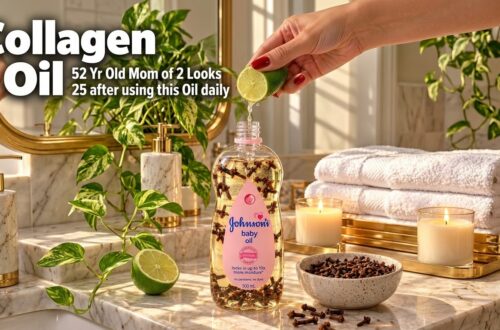
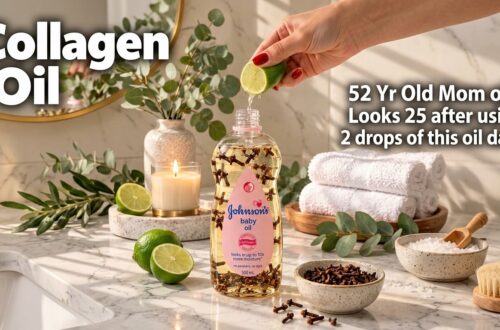
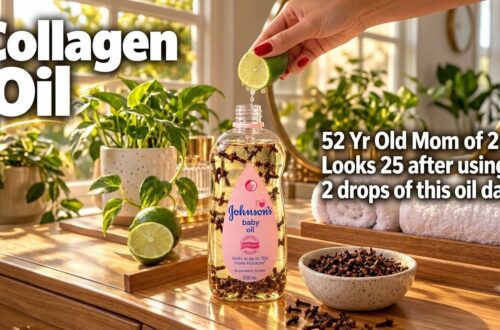
Have you seen the latest buzz in natural beauty circles? A fascinating DIY beauty hack promising a ‘youthful glow’ has been circulating, often dubbed ‘collagen oil.’ It typically involves infusing baby oil with whole cloves and a squeeze of fresh lime. The images are certainly captivating – glowing skin, shimmering oil, and the natural aesthetic of the ingredients. It looks like a secret elixir for smooth, youthful-looking skin! But before you grab your ingredients, let’s dive into what this viral trend is all about and what you truly need to know.
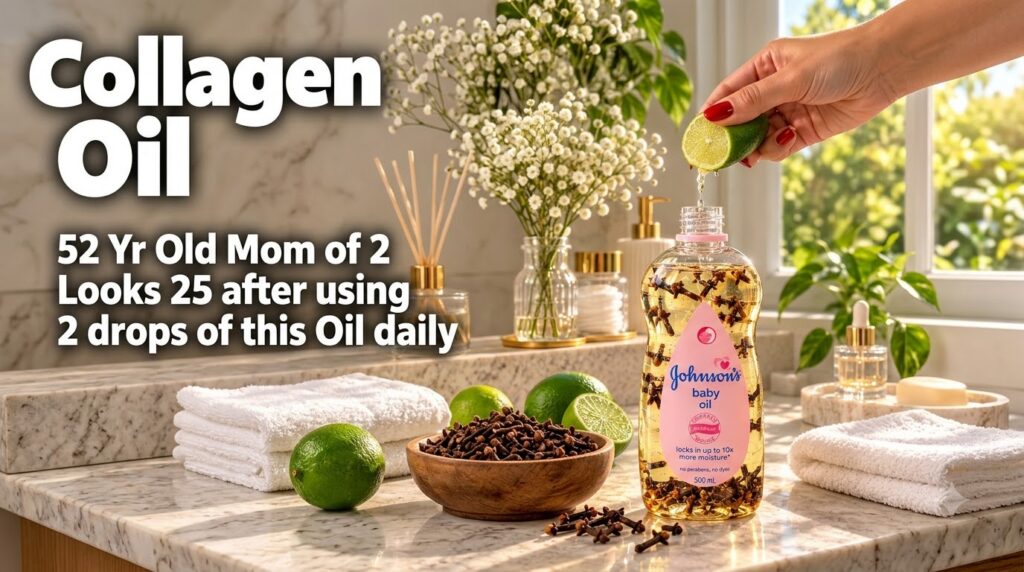
Understanding the Viral “Collagen Oil” Claim
This viral beauty concoction is often shared with the promise of boosting collagen and delivering a youthful, firm complexion. It’s important to understand one key thing right from the start: this mixture does not contain actual collagen, and it cannot literally rebuild collagen in your skin just because it’s called ‘collagen oil.’
What this popular routine can do is create an intensely moisturized, glossy finish that may make dry skin look softer, smoother, and temporarily more plump. The immediate visual benefits are more about hydration and surface sheen than a permanent change in your skin’s collagen structure.
Why Baby Oil Creates That “Glass Skin” Look
Baby oil is usually made primarily from mineral oil, which is a common ingredient in many skincare products. Mineral oil works as an occlusive, meaning it forms a thin layer over the skin that helps slow moisture loss. This barrier traps existing moisture, helping your skin retain hydration.
That’s why just a few drops of baby oil can make dry skin immediately appear:
- Softer
- Shinier
- Smoother
- More supple
- Less flaky
This effect is mostly from moisture retention and the glossy surface shine, rather than a permanent change to your skin’s underlying health or structure. It’s a fantastic way to achieve a temporary ‘glass skin’ look, especially on the body.
What About Cloves and Lime?
Cloves for a Natural Touch
Cloves are often celebrated in traditional remedies for their aromatic properties and antioxidant content. When infused into oil, they contribute a lovely scent and a touch of natural elegance to the mixture. While cloves do contain beneficial compounds, the extent to which a simple infusion effectively extracts these into oil for topical skin benefits, and the stability of these compounds, can vary greatly.
A Word of Caution About Lime
While fresh lime adds a bright, zesty aroma and a refreshing feel, applying lime juice directly to your skin, especially if you’ll be exposed to sunlight, can be problematic. Citrus juices contain compounds (furocoumarins) that can make your skin highly sensitive to the sun, leading to a severe reaction called phytophotodermatitis. This can cause redness, blistering, and even long-lasting dark spots. For this reason, we strongly advise against using fresh lime juice in any leave-on skincare product that you apply to your skin, especially if you’re going outdoors.
Creating a Safer, Skin-Friendly Glow Oil at Home
If you’re looking for that wonderfully moisturized and glossy skin effect, you can certainly create a safer version of this ‘glow oil’ at home, focusing on hydration and gentle ingredients:
-
Choose Your Base Oil Wisely
Baby oil is excellent for its occlusive properties and affordability. For those who prefer other options, nourishing carrier oils like almond oil, jojoba oil, or grapeseed oil are also fantastic choices for moisturizing the skin and come with additional benefits like vitamins and antioxidants.
-
Infuse with Care (or Skip)
If you love the aesthetic and subtle aroma, you can infuse whole cloves into your chosen base oil. Simply add a few whole cloves to your oil and let it sit for a week or two in a cool, dark place. Strain the oil before use to avoid direct contact with clove pieces. If you’re looking for antioxidant benefits, consider diluted, skin-safe essential oils (like a tiny drop of diluted clove essential oil in a larger amount of carrier oil, always patch test first) or simply enjoy the moisturizing benefits of the carrier oil itself.
-
Skip the Fresh Lime!
To avoid any risk of photosensitivity or irritation, we highly recommend omitting fresh lime juice from any oil you plan to apply to your skin. If you love a citrus scent, a drop or two of a skin-safe, diluted citrus essential oil (like sweet orange or grapefruit, used with caution and always diluted, and still being mindful of sun exposure) can be added to your body oil, but never directly on the face before sun exposure.
How to Use Your DIY Glow Oil Safely
-
Patch Test: Always apply a small amount of your DIY oil to a discreet area of skin (like your inner arm) and wait 24-48 hours to check for any redness, itching, or irritation before applying it more widely.
-
Apply to Damp Skin: For best results, apply your glow oil immediately after showering or bathing when your skin is still slightly damp. This helps to lock in moisture and maximize the occlusive benefits.
-
Body Use Primarily: Given the nature of these ingredients, this oil is generally best suited for body application. If you have sensitive facial skin, it might be best to stick to products specifically formulated for the face.
While viral beauty hacks can be fun and inspiring, understanding the ingredients and practicing safe DIY methods are key to truly healthy, radiant skin. Enjoy exploring the world of natural beauty with knowledge and care!