Elevate Your Meals: The Simple Secret to a Perfect Homemade Vinaigrette
Transforming an ordinary salad into a culinary delight doesn’t require a gourmet chef or a pantry full of exotic ingredients. Sometimes, the most impactful changes come from the simplest solutions. And when it comes to dressings, nothing beats a homemade vinaigrette for freshness, flavor, and sheer versatility. Forget those store-bought bottles filled with preservatives and unpronounceable ingredients. You already have the core components for an incredible dressing right in your kitchen!
A simple vinaigrette can elevate any meal, turning even the most basic greens into a vibrant, delicious experience. It’s incredibly easy to make, uses ingredients you likely already have, and can be whipped up in minutes. Why settle for store-bought when you can create something fresh and bursting with flavor?
The Core Ingredients for a Basic Vinaigrette
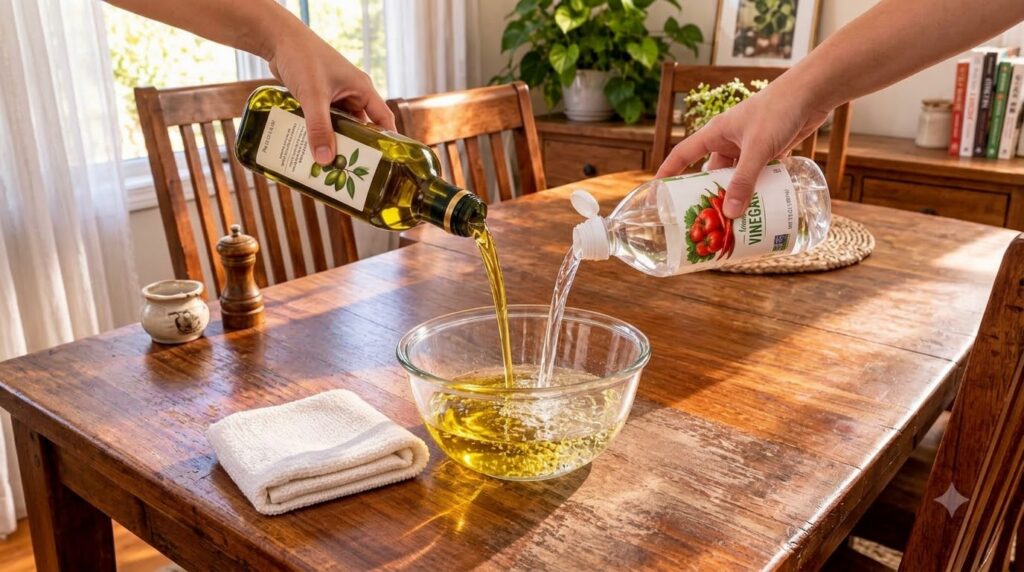
At its heart, a classic vinaigrette is an emulsion of oil and an acid. For our incredibly simple yet effective version, we focus on two kitchen staples:
- Olive Oil: The base of our dressing, olive oil provides a smooth texture and rich, fruity notes. Extra virgin olive oil is highly recommended for its superior flavor and health benefits.
- White Vinegar: This common household vinegar brings the necessary acidity to cut through the richness of the oil, balancing the flavors and brightening your salad.
The beauty of these two ingredients lies in their simplicity and the perfect harmony they create when combined correctly.
Why This Simple Combination Works So Well
The magic of vinaigrette lies in the emulsification — the process of forcing two liquids that don’t naturally mix (like oil and vinegar) to form a stable mixture. The acid from the vinegar brightens flavors, while the oil carries those flavors across your palate and adds a satisfying richness. This balance is key to a truly enjoyable dressing.
Step-by-Step: Crafting Your Two-Ingredient Vinaigrette
Making this basic vinaigrette is incredibly straightforward. Here’s how:
- Gather Your Tools: You’ll need a small bowl or a jar with a tight-fitting lid, and a whisk or a fork.
- Measure Your Ingredients: For a basic vinaigrette, a good starting ratio is 3 parts oil to 1 part vinegar. For example, use 3 tablespoons of olive oil and 1 tablespoon of white vinegar.
- Combine: Pour the olive oil and white vinegar into your bowl or jar.
- Whisk or Shake: If using a bowl, whisk vigorously for about 30 seconds to 1 minute until the mixture appears cloudy and well combined. If using a jar, close the lid tightly and shake enthusiastically until emulsified.
- Taste and Adjust: Dip a lettuce leaf or a clean spoon into the dressing and taste. This base is simple, so additions (see below) are often desired for a complete flavor profile.
Enhancing Your Basic Vinaigrette (Optional)
While olive oil and white vinegar form a perfect base, a few additional pantry items can elevate your dressing to gourmet status. These are optional but highly recommended for a more complex flavor:
- Salt and Freshly Ground Black Pepper: These are non-negotiable for seasoning any dressing. Add a pinch of salt and a few grinds of pepper to taste.
- Dijon Mustard: A small teaspoon of Dijon mustard acts as a natural emulsifier, helping the oil and vinegar stay combined longer. It also adds a delightful tangy depth.
- Sweetener: A tiny drizzle of honey, maple syrup, or a pinch of sugar can balance the acidity of the vinegar beautifully.
- Aromatics: Finely minced garlic or shallots can add a wonderful aromatic complexity.
- Fresh Herbs: Chopped fresh parsley, dill, chives, or oregano can brighten the flavor and add a touch of color.
Tips for Perfecting Your Vinaigrette
- Experiment with Ratios: While 3:1 is a classic starting point, feel free to adjust the oil-to-vinegar ratio based on your preference. Some prefer a tangier dressing (2:1), while others like it milder (4:1).
- Don’t Overdress: A little vinaigrette goes a long way. Start with a small amount and add more if needed to avoid a soggy salad.
- Let it Sit (Optional): If you add aromatics like garlic, letting the dressing sit for 10-15 minutes allows the flavors to meld.
Storage and Shelf Life
Store your homemade vinaigrette in an airtight container, such as a jar, in the refrigerator. It will typically last for about 5-7 days. The oil and vinegar may separate when chilled, which is completely normal. Simply give it a good shake or a quick whisk before each use to re-emulsify.
Crafting your own vinaigrette from scratch is a simple pleasure that delivers huge returns in flavor and freshness. It’s a fundamental kitchen hack that empowers you to control the ingredients and tailor dressings exactly to your taste. So, next time you’re preparing a meal, skip the store-bought and embrace the art of the perfect homemade dressing.
What’s your go-to homemade dressing recipe? Share your favorite variations and secret ingredients in the comments below!