Elevating your daily nutrition doesn’t require a complete overhaul of your diet. In fact, some of the most impactful changes come from simple food swaps. These small, strategic adjustments to your everyday meals can effortlessly boost fiber, healthy fats, and essential nutrients, paving the way for lasting healthy habits without feeling restrictive.
At Glowra Health, we believe in empowering you with practical, sustainable ways to nurture your well-being. This article dives into how making mindful ingredient choices can transform your meals, helping you feel more energized, satisfied, and vibrant. Get ready to discover easy upgrades that make a big difference!
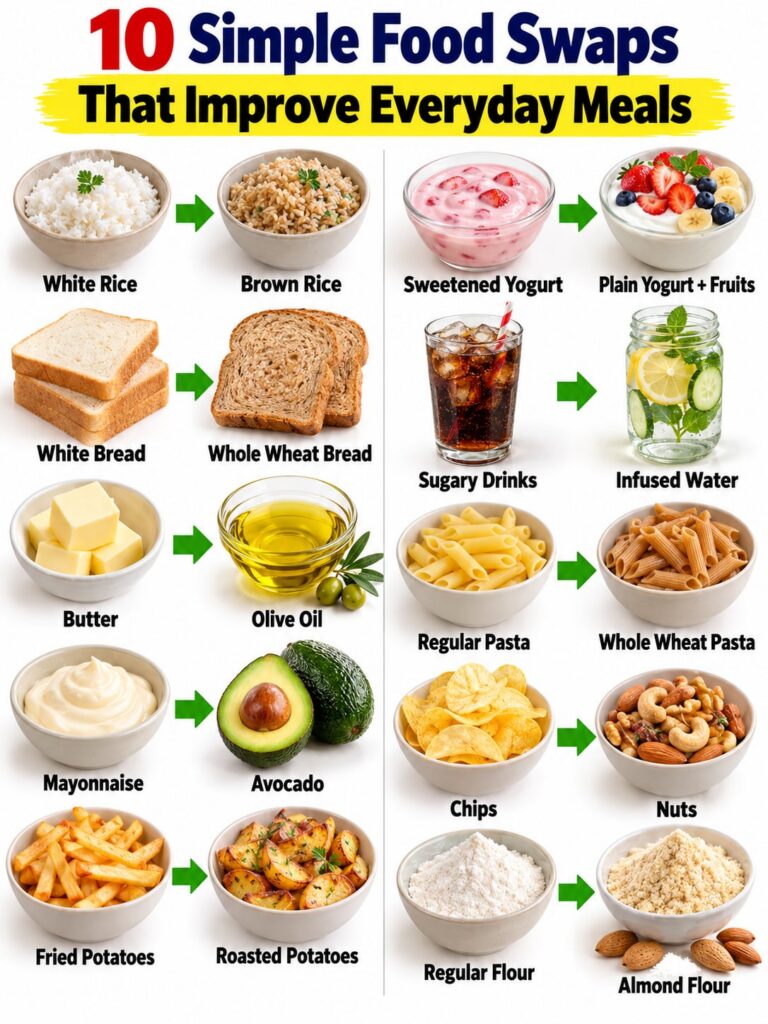
Why Small Swaps Make a Big Difference
The beauty of food swaps lies in their subtlety. Instead of drastically cutting out favorite foods, you’re merely upgrading components. This approach reduces the feeling of deprivation, making it easier to stick to healthier eating long-term. Each swap contributes to a cumulative effect, enhancing your overall nutrient intake, improving digestion, and supporting stable energy levels throughout the day.
Boosting Fiber for Digestive Health and Satiety
Fiber is crucial for a healthy digestive system and plays a key role in keeping you feeling full and satisfied, which can aid in weight management. Many common foods can be easily swapped for fiber-rich alternatives.
- White Grains for Whole Grains: Instead of white bread, pasta, or rice, opt for 100% whole wheat bread, brown rice, quinoa, or whole wheat pasta. Whole grains retain their bran and germ, which are packed with fiber, vitamins, and minerals.
- Fruit Juice for Whole Fruit: While fruit juice contains some vitamins, it lacks the beneficial fiber found in whole fruits. Swapping juice for an apple, pear, or a handful of berries provides satiety and slows sugar absorption.
- Sugary Cereals for Oats: Start your day with plain rolled oats, which are naturally high in soluble fiber, instead of highly processed, sugary breakfast cereals. You can sweeten them with fresh fruit or a touch of honey.
Incorporating Healthy Fats for Brain and Heart Health
Healthy fats are essential for brain function, hormone production, and heart health. They also help absorb fat-soluble vitamins. Not all fats are created equal, and choosing the right ones is vital.
- Butter for Avocado or Olive Oil: In cooking or on toast, swap butter for mashed avocado or a drizzle of extra virgin olive oil. Avocado provides monounsaturated fats and fiber, while olive oil is rich in heart-healthy monounsaturated fats and antioxidants.
- Creamy Dressings for Vinaigrettes: Many store-bought creamy salad dressings are high in unhealthy saturated fats and added sugars. Make your own simple vinaigrette with olive oil, vinegar, and herbs, or opt for a light lemon-tahini dressing.
- Processed Snacks for Nuts and Seeds: Instead of chips or cookies, reach for a handful of almonds, walnuts, chia seeds, or flaxseeds. These snacks offer healthy fats, protein, and fiber, keeping hunger at bay.
Maximizing Nutrient Density with Smart Choices
Beyond fiber and healthy fats, these swaps also help increase your intake of essential vitamins, minerals, and antioxidants, crucial for overall wellness.
- Regular Yogurt for Greek Yogurt: Greek yogurt offers significantly more protein than regular yogurt, contributing to muscle repair and satiety. Opt for plain versions and add your own fruit for natural sweetness.
- Soda for Water with Infusions: Sugary sodas provide empty calories and contribute to sugar spikes. Swap them for water infused with cucumber, lemon, mint, or berries for a refreshing and hydrating alternative.
- Iceberg Lettuce for Dark Leafy Greens: While iceberg lettuce provides crunch, darker greens like spinach, kale, and romaine are nutrient powerhouses, packed with vitamins A, C, K, and various minerals.
Making Your Swaps Sustainable: Practical Tips
To successfully integrate these simple food swaps into your routine, consider these practical tips:
- Start Small: Don’t try to change everything at once. Pick one or two swaps to focus on each week until they become routine.
- Plan Ahead: Stock your pantry and fridge with healthier alternatives. When nutritious options are readily available, you’re more likely to choose them.
- Experiment with Flavors: Healthy eating doesn’t mean sacrificing taste. Explore different spices, herbs, and natural sweeteners to make your upgraded meals delicious.
- Read Labels: Become a savvy shopper. Look for terms like “whole grain,” “no added sugar,” and shorter ingredient lists.
- Be Patient and Consistent: Building healthy habits takes time. Celebrate small victories and don’t get discouraged by occasional slip-ups.
Frequently Asked Questions About Food Swaps
Q: Can I really make a difference with such small changes?
A: Absolutely! The cumulative effect of consistently choosing healthier alternatives can lead to significant improvements in energy levels, digestion, gut health, and overall well-being over time. It’s about progress, not perfection.
Q: What are the best chia seeds for overnight oats?
A: Any high-quality chia seeds will work well for overnight oats. Look for organic, non-GMO options from reputable brands. Both black and white chia seeds offer the same nutritional benefits.
Q: Are these swaps suitable for weight loss?
A: Yes, many of these swaps can support weight loss by increasing fiber and protein, which promote satiety, and by reducing intake of added sugars and unhealthy fats. However, sustainable weight loss also involves overall caloric balance and a balanced diet.