Halloween is a holiday brimming with mystery, fun, and ancient traditions. From carving eerie faces into pumpkins to donning elaborate costumes, it’s a time when the veil between worlds feels a little thinner, and the streets fill with ghoulish delight. But how much do you really know about this beloved celebration? Let’s dive into the history and facts behind the holiday known for its iconic pumpkins and unforgettable costumes!
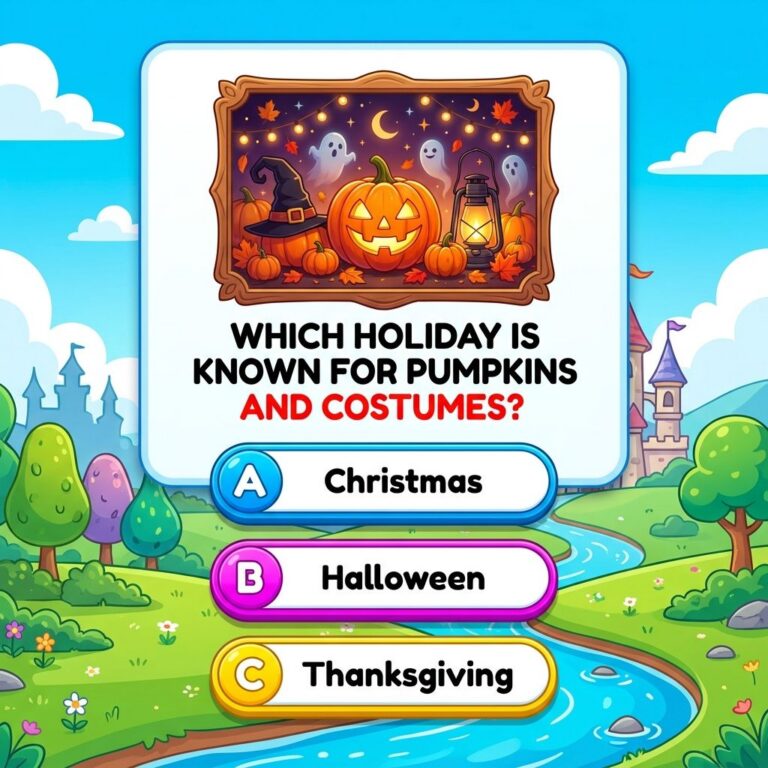
We all know the classic question: Which holiday is famous for pumpkins and costumes? The answer, of course, is Halloween! But what makes these two elements so central to its identity?
The Ancient Roots of Halloween
Before it became the trick-or-treating extravaganza we know today, Halloween had far more solemn origins. It evolved from the ancient Celtic festival of Samhain (pronounced ‘sow-in’), celebrated over 2,000 years ago, primarily in the area that is now Ireland, the United Kingdom, and northern France. Samhain marked the end of summer and the harvest and the beginning of the dark, cold winter, a time of year that was often associated with death.
The Celts believed that on the night before the new year (October 31), the boundary between the worlds of the living and the dead became blurred. They celebrated Samhain, when it was believed the ghosts of the dead returned to earth. To ward off these spirits, people would light bonfires and wear costumes, often fashioned from animal skins, to disguise themselves from wandering spirits.
Pumpkins: More Than Just a Pretty Face
From Turnips to Jack-o’-Lanterns
The tradition of carving faces into vegetables on Halloween comes from an Irish myth about a man named Stingy Jack. Legend says Jack tricked the Devil multiple times, and upon his death, he was condemned to wander the earth forever, carrying a glowing ember inside a carved turnip to light his way.
When Irish immigrants came to America, they brought their Halloween traditions with them. They soon discovered that pumpkins, a native American fruit, were much larger and easier to carve than turnips, leading to the birth of the iconic jack-o’-lanterns we see today. These glowing gourds were originally placed outside homes to ward off evil spirits, much like their turnip predecessors.
- Symbolism: Jack-o’-lanterns symbolize protection and guidance for wandering spirits.
- Variety: While pumpkins are most common, other vegetables like gourds and squash can also be used.
- Harvest Connection: Pumpkins are a symbol of autumn and the harvest season, tying into Halloween’s ancient roots.
Costumes: A Spooky Transformation
Disguise and Delight
The practice of wearing costumes on Halloween also has deep historical roots, stemming from the Celtic tradition of Samhain. As mentioned, people would wear disguises to confuse or ward off the spirits believed to roam the earth on that night. This tradition evolved through various forms over centuries, including mumming and guising in medieval Europe, where people would go door-to-door in costume, performing for food or drink.
In America, particularly in the early 20th century, Halloween costumes became more about playful mischief and less about fear of spirits. Initially, costumes were often homemade and depicted supernatural figures like ghosts, witches, and monsters. Over time, the range of costumes expanded to include characters from pop culture, historical figures, and humorous outfits, making it a holiday of creative expression and fun.
- Historical Evolution: From animal skins to elaborate pop culture icons.
- Cultural Significance: Costumes allow for temporary identity changes and playful escapism.
- Modern Trends: Costumes often reflect current events, movies, and celebrity culture, showcasing creativity and humor.
Halloween Today: A Global Phenomenon
Today, Halloween is celebrated in many countries around the world, with unique local traditions blending with the more widely recognized customs of trick-or-treating, costume parties, and haunted houses. It continues to be a time for community gatherings, festive decorations, and a delightful touch of spooky magic. So, the next time you see a carved pumpkin or a costumed reveler, you’ll know the rich history behind these cherished Halloween symbols!