Your liver works tirelessly every day, performing hundreds of vital functions, from detoxification to metabolism. Given its critical role, it’s no surprise that what you consume can significantly impact its health. While food choices often get the spotlight, your daily drink choices also play a crucial role in supporting or stressing this essential organ.
From your morning cup of coffee to your evening refreshment, every sip can either contribute to liver wellness or place an unnecessary burden on it. Understanding the spectrum of beverages – from those that may harm to those that offer genuine support – empowers you to make smarter choices for a thriving liver. Let’s explore which common drinks help or hinder this vital organ and how you can optimize your habits for better liver health.
Understanding Your Liver: A Vital Organ
Your liver is a metabolic powerhouse, responsible for filtering toxins, producing bile for digestion, storing nutrients, and regulating blood sugar. When the liver is healthy, it performs these tasks efficiently, keeping your entire body in balance. However, poor dietary and lifestyle choices, including certain drinks, can impair its function, potentially leading to serious health issues over time.
The “Worst” Choices: Drinks to Limit or Avoid
Some beverages can place a significant strain on your liver, contributing to inflammation, fat accumulation, and even long-term damage. Minimizing or eliminating these from your diet is a crucial step towards better liver health.
Sugary Sweeteners: Beyond Just Calories
Beverages loaded with added sugars, such as sodas, sweetened fruit juices, sports drinks, and highly processed lemonade, can be particularly detrimental to liver health. The liver processes fructose, a type of sugar commonly found in these drinks, which can be converted into fat if consumed in excess. This process may lead to non-alcoholic fatty liver disease (NAFLD), a condition where excess fat accumulates in liver cells.
- Sodas and Energy Drinks: High fructose corn syrup and refined sugars contribute to fat buildup in the liver.
- Sweetened Fruit Juices: While natural fruit contains vitamins, many commercial juices have added sugars that negate health benefits and burden the liver.
Alcohol: The Liver’s Primary Burden
Alcohol is perhaps the most well-known culprit when it comes to liver damage. The liver is primarily responsible for metabolizing alcohol, a process that produces toxic byproducts. Chronic and excessive alcohol consumption can lead to:
- Fatty Liver Disease: Accumulation of fat in liver cells.
- Alcoholic Hepatitis: Inflammation of the liver.
- Cirrhosis: Severe scarring that impairs liver function and can be life-threatening.
Even moderate consumption can be a concern for some individuals, especially those with pre-existing liver conditions.
Moderate Approach: Energy Drinks and Liver Health
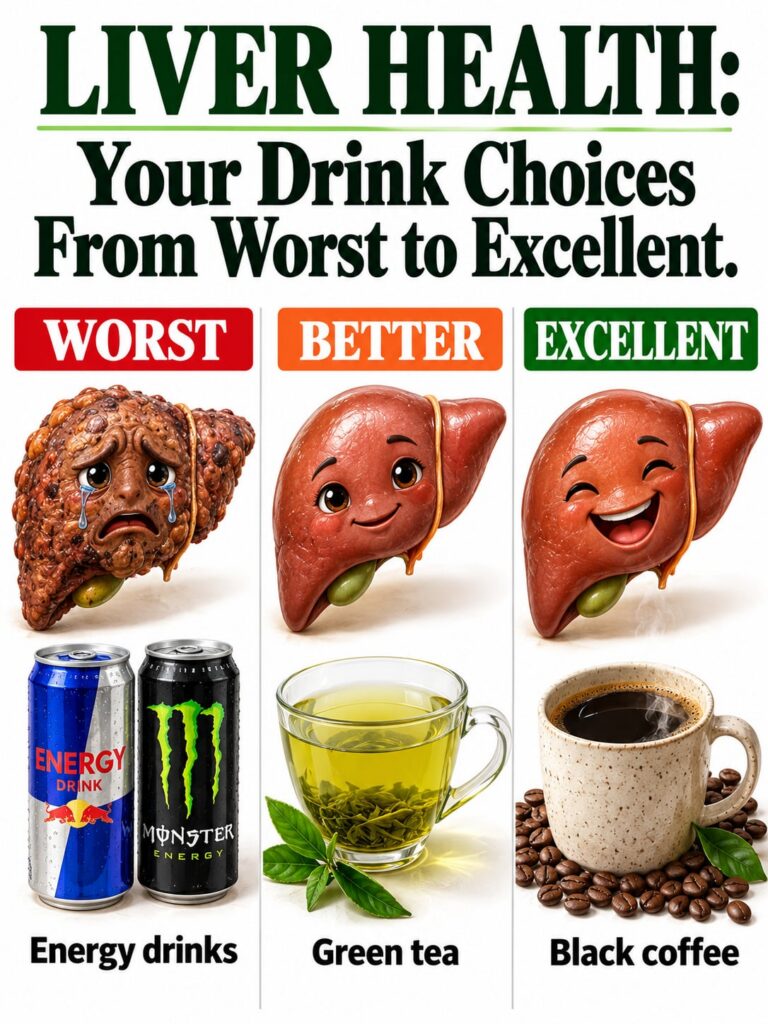
As highlighted in the image analysis, energy drinks are best consumed in moderation. While they don’t contain alcohol, their unique blend of ingredients can still pose risks to the liver, particularly when overused or combined with alcohol.
Energy Drinks: The Cautionary Tale
Energy drinks typically contain high levels of caffeine, sugar, and a mix of other stimulants and herbal compounds. The liver must process all these ingredients. Excessive intake can:
- Increase Liver Enzymes: Some studies suggest that the combination of ingredients may temporarily elevate liver enzyme levels, indicating stress on the organ.
- Contribute to Fatty Liver: High sugar content can contribute to NAFLD, similar to other sugary beverages.
- Potential for Interactions: Certain herbal ingredients, especially in high doses or when interacting with medications or alcohol, could potentially lead to liver injury.
Therefore, enjoying energy drinks sparingly and being mindful of their ingredients is a wise approach for liver protection.
The “Excellent” Choices: Beverages for Liver Support
On the brighter side, several beverages can actively support liver function and overall health. Incorporating these into your daily routine can be a simple yet effective strategy for a healthier liver.
Water: The Foundation of Liver Detoxification
It sounds simple, but pure, clean water is arguably the most beneficial drink for your liver. The liver requires adequate hydration to perform its detoxification processes effectively. Water helps transport waste products out of the body, supports nutrient delivery, and maintains the fluidity of blood, all of which are essential for optimal liver function.
- Aim for at least 8 glasses of water daily, more if you’re active or in a hot climate.
- Consider infusing water with lemon or cucumber for added flavor without sugar.
Black Coffee: More Than Just a Morning Boost
Emerging research, as indicated in our source, suggests that black coffee can support liver health. Regular, moderate consumption of black coffee has been associated with several liver benefits:
- Reduced Risk of Fibrosis and Cirrhosis: Studies indicate coffee may help slow the progression of liver diseases.
- Lower Risk of Liver Cancer: Some evidence points to coffee’s protective effects against certain liver cancers.
- Anti-inflammatory Properties: Coffee contains antioxidants that may help reduce liver inflammation.
These benefits are typically associated with black coffee, without added sugar, cream, or artificial sweeteners, which could negate the positive effects.
Green Tea: A Potent Antioxidant Elixir
Another beverage praised in our source for its liver-supporting capabilities is green tea. Rich in antioxidants, particularly catechins, green tea may offer significant protective benefits for the liver.
- Reduced Fat Accumulation: Catechins may help reduce fat buildup in the liver.
- Anti-inflammatory Effects: Green tea’s compounds can combat inflammation and oxidative stress in liver cells.
- Improved Liver Enzyme Levels: Some research suggests it may help improve liver enzyme markers in individuals with NAFLD.
Brewing fresh green tea is recommended over sweetened or bottled versions to maximize its health benefits.
Herbal Teas: Gentle Support
While not providing specific direct benefits in the same way as coffee or green tea, various herbal teas can offer general wellness support that indirectly benefits the liver. Teas like ginger, peppermint, or dandelion root (consumed with caution and in consultation with a healthcare professional) are known for their digestive and mild detoxifying properties, contributing to overall well-being which supports the liver’s function.

Cultivating Liver-Friendly Drinking Habits
Making conscious choices about your drinks is an actionable way to protect your liver. Here are some practical tips:
- Prioritize Water: Make water your primary beverage throughout the day.
- Limit Sugary Drinks: Gradually reduce your intake of sodas, sweetened juices, and energy drinks. Opt for unsweetened versions or water.
- Mindful Alcohol Consumption: If you drink alcohol, do so in moderation, or consider alcohol-free alternatives.
- Enjoy Coffee and Green Tea: Incorporate unsweetened black coffee and green tea into your routine as part of a balanced diet.
- Read Labels: Be aware of hidden sugars and artificial ingredients in all beverages.
Your liver is incredibly resilient, but it benefits greatly from supportive choices. By understanding the impact of your daily drinks, you can take meaningful steps towards maintaining optimal liver health.