Are you looking for a simple, non-toxic way to keep your home feeling fresh and free from unwelcome guests? Many household challenges, from persistent odors to tiny critters, can be tackled with natural, gentle methods. This DIY approach uses a common household powder to help deter unwanted visitors and absorb unpleasant smells, offering a straightforward and environmentally friendly solution for a more comfortable living space.
It’s a practical choice for anyone seeking effective yet gentle alternatives to harsh chemicals, making your home a healthier environment for everyone.
What You’ll Need
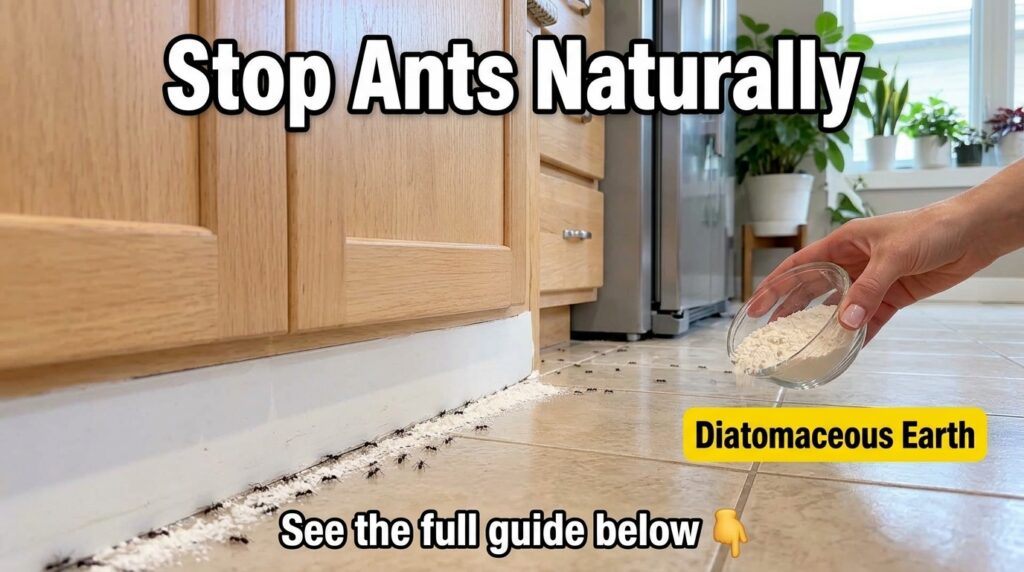
- Natural, Food-Grade Household Powder: A light-colored, granular powder known for both its absorbent and pest-deterrent properties. You’ll need enough to create a thin line along targeted areas.
- Small Dispensing Bowl: A clear glass bowl or similar container to hold the powder for easy application.
Why This DIY Can Be Useful
Many natural powders possess unique qualities that make them incredibly effective for home maintenance. When used as a deterrent, the finely textured particles of certain powders can physically disrupt the outer layer of small crawling pests, making the area less hospitable for them. Simultaneously, the highly absorbent nature of these powders allows them to effectively neutralize and trap odor molecules, leaving your space smelling cleaner without the use of artificial fragrances.
How to Prepare for Application
- Gather Your Materials: Have your chosen natural powder and small dispensing bowl ready.
- Transfer the Powder: Carefully pour a small amount of the natural powder into your dispensing bowl. This makes it easier to control the application and prevents waste.
How to Use It
This method is best applied in areas where you suspect pests might enter or where odors tend to linger.
- Identify Target Areas: Look for cracks, crevices, or edges along baseboards, under sinks, behind appliances, or in pantry corners. These are common pathways for pests and spots where odors can concentrate.
- Apply a Thin Line: Hold your dispensing bowl close to the surface and slowly pour a thin, consistent line of the powder along the base of cabinets, baseboards, or other chosen areas. The goal is a fine, barely visible line, not a thick pile.
- Let It Work: For pest deterrence, leave the powder undisturbed for several days or up to a week. For odor absorption, the powder can be left out as long as needed.
- Clean Up: After the desired time, use a vacuum cleaner with a brush attachment or a damp cloth to carefully clean up the powder.
What to Expect
You should notice a reduction in the presence of small crawling pests and a significant improvement in air freshness, particularly in enclosed spaces or areas prone to musty smells. This DIY works by creating an unfavorable environment for pests and actively absorbing odors, leading to a noticeable difference over time rather than instant elimination.
Helpful Tips
- Reapply as Needed: For ongoing pest control or odor absorption, reapply the powder every few weeks or after cleaning the area.
- Consider Hidden Spots: For maximum effectiveness and aesthetic reasons, focus application on areas that aren’t highly visible but are still accessible to pests, like behind appliances or inside cabinet corners.
- Less is More: A thin, even layer is more effective than a thick, clumpy one.
Important Notes / Safety
- Inhalation: While natural and non-toxic, inhaling fine powders can be irritating. Apply in a well-ventilated area, and consider wearing a mask during application to avoid breathing in dust.
- Pets and Children: Ensure the powder is applied in areas inaccessible to pets and young children. Although food-grade, ingestion in large quantities is not recommended.
- Surfaces: Always test a small, inconspicuous area first to ensure the powder does not stain or damage your surfaces. While generally safe, some porous materials might react differently.
- Avoid Wet Areas: The powder loses its effectiveness when wet. Reapply after any spills or damp cleaning.
