Tired of harsh chemical cleaners that leave your home smelling like a laboratory? What if we told you that two common kitchen staples could tackle some of your toughest household grime, stains, and odors? Get ready to harness the natural cleaning power of fresh lemon juice and salt!
Lemons aren’t just for refreshing drinks or adding zest to your meals; they are a formidable secret weapon in the world of natural home cleaning. When combined with the gentle abrasive strength of salt, you create an eco-friendly, budget-conscious cleaning paste that can transform your home without the need for expensive, synthetic products.
Let’s dive into how this dynamic duo works and how you can put it to use in every corner of your home.
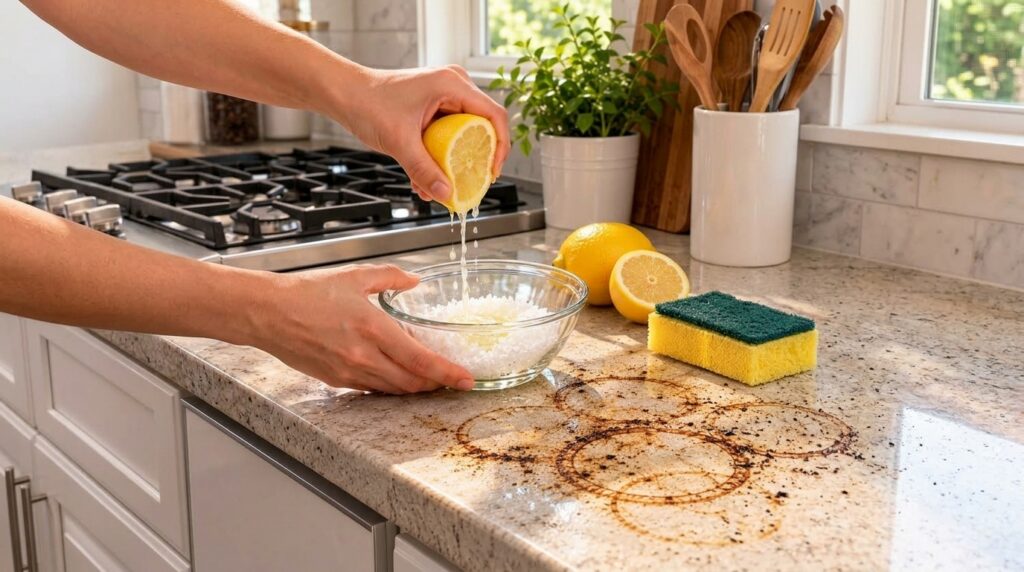
The Dynamic Duo: Why Lemon and Salt Work Wonders
Understanding the science behind this simple combination will boost your confidence in its cleaning prowess.
- Lemon Juice (Citric Acid Powerhouse): Lemons are packed with citric acid, a natural alpha-hydroxy acid (AHA) that’s incredibly effective at breaking down grease, dissolving mineral deposits (like limescale and hard water stains), and acting as a mild bleach. Its acidic nature also provides natural disinfectant properties, helping to kill bacteria and viruses. Plus, it leaves behind a wonderfully fresh, clean scent, neutralizing unpleasant odors.
- Salt (Nature’s Scouring Agent): Ordinary table salt or coarse salt acts as a fantastic natural abrasive. Unlike harsh scrubbers that can scratch delicate surfaces, salt crystals are hard enough to dislodge grime, rust, and stubborn food residues without causing damage to most materials (with a few exceptions we’ll cover later). It provides the necessary friction to lift and remove dirt effectively.
When combined, the acidic power of lemon juice works to chemically break down stains and grime, while the salt provides the physical scrubbing action needed to lift and remove the loosened debris. It’s a perfect partnership for tackling tough messes!
DIY Lemon & Salt Cleaning Paste: Your Step-by-Step Guide
What You’ll Need
- 1/2 to 1 fresh lemon (or bottled lemon juice for convenience)
- 2-3 tablespoons of salt (table salt or coarse salt work well)
- Small bowl for mixing
- Spoon or small spatula
- Cleaning sponge, brush, or soft cloth
- Warm water for rinsing
Simple Steps to Create Your Paste
- Squeeze the Lemon: Cut your lemon in half and squeeze its juice into a small bowl. Aim for about 2-3 tablespoons of juice. If using bottled juice, measure it out.
- Add the Salt: Gradually add the salt to the lemon juice, stirring constantly with a spoon or spatula.
- Mix to a Paste: Continue adding salt and stirring until you achieve a thick, gritty paste consistency. It should be thick enough to cling to a sponge or brush without being too runny. Adjust the proportions of lemon juice and salt as needed to get the desired texture.
How to Apply and Conquer Stains
- Prepare the Surface: For best results, clear any loose debris from the area you plan to clean.
- Apply the Paste: Scoop a generous amount of your lemon and salt paste onto a damp sponge, brush, or soft cloth.
- Scrub Away: Apply the paste directly to the stained or grimy area. Using firm, circular motions, scrub the surface. The salt will provide the abrasive action while the lemon juice works its magic.
- Let it Sit (Optional): For particularly stubborn stains or heavy mineral deposits, allow the paste to sit on the surface for 5-10 minutes. This gives the citric acid more time to break down the grime.
- Rinse Thoroughly: After scrubbing (and letting it sit, if applicable), rinse the area completely with warm water. Use a clean cloth or sponge to wipe away any residue.
- Dry: Dry the cleaned surface with a clean towel for a streak-free shine.
Where to Unleash the Power of Lemon & Salt
This versatile paste is effective on a surprising number of surfaces:
- Cutting Boards: Say goodbye to stubborn food stains and lingering odors. Sprinkle salt on the board, then scrub with half a lemon.
- Kitchen Sinks (Stainless Steel & Porcelain): Tackle water spots, mild rust stains, and food residue, leaving your sink sparkling and fresh.
- Copper Pots & Pans: Restore the shine to tarnished copper cookware. The acidity and abrasion work wonders on oxidation.
- Grout Lines: Whiten dingy grout in your kitchen or bathroom. Apply the paste, scrub with a brush, and rinse.
- Shower Doors: Combat soap scum and hard water stains, revealing clearer glass.
- Rust Spots: For minor rust stains on metal or porcelain, this paste can often lift them away.
Important Precautions and Tips
- Always Patch Test: Before applying the paste to a large or noticeable area, always test it on an inconspicuous spot first. This is crucial for delicate or unfamiliar surfaces.
- Avoid Acid-Sensitive Surfaces: Do NOT use lemon and salt paste on natural stone surfaces like marble, granite, or travertine. The acid in the lemon can etch and damage the stone. Also, be cautious with certain metals that react poorly to acid.
- Rinse Thoroughly: Always ensure you rinse the cleaned surface completely to remove all salt and lemon residue.
- Wear Gloves: If you have sensitive skin or open cuts, wear gloves, as the salt and acid can be irritating.
- Fresh is Best: While bottled lemon juice works, fresh lemon juice often provides better results and a more potent scent.
Embrace the power of nature and transform your cleaning routine with this simple yet mighty lemon and salt paste. You’ll love the sparkling results and the fresh, clean scent it leaves behind!