Most people associate the sweet, succulent longan fruit with a refreshing snack, often overlooking the profound wellness potential hidden within its unassuming shell. Known as the ‘dragon’s eye’ for its unique appearance when peeled, this tropical gem has been a staple in traditional practices for centuries, far beyond its role as a simple dessert. But what exactly makes this small fruit so special, and how can you truly harness its benefits?
Ignoring the deeper uses of longan means missing out on a concentrated source of nutrients and traditional remedies that support overall well-being. From its role in calming the mind to supporting digestive health, there’s more to the longan than meets the eye. Let’s delve into the practical ways to incorporate this fascinating fruit into your routine and uncover the secrets many people skip.
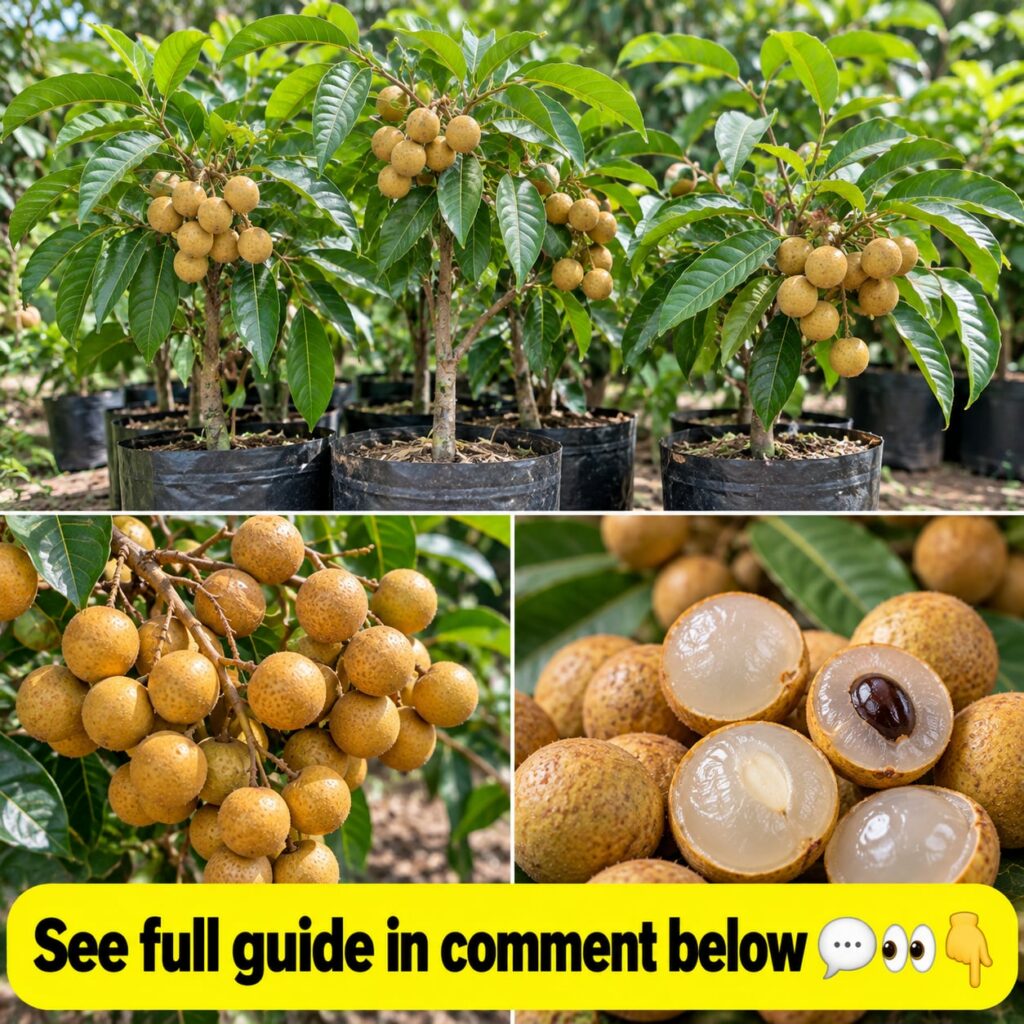 Longan fruit, often called ‘dragon’s eye’, on its branch.
What It Is: The ‘Dragon’s Eye’ Fruit
Longan (Dimocarpus longan) is a tropical fruit native to Asia, particularly China and Southeast Asia. Its name, ‘longan,’ translates to ‘dragon’s eye’ in Chinese, a reference to the fruit’s appearance when peeled: the translucent white flesh surrounds a dark, spherical seed, resembling an eyeball. The fruit grows in clusters, much like grapes, and is encased in a thin, brittle, yellowish-brown shell that is easy to peel.
Beneath its humble exterior, longan offers a sweet, slightly musky flavor with a juicy, somewhat firm texture. It’s enjoyed fresh, dried, canned, or in various culinary preparations, making it a versatile addition to diets across the globe.
Ingredients for Simple Longan Remedies
For most longan-based remedies, the primary ‘ingredient’ is the fruit itself, whether fresh or dried. The simplicity is part of its appeal. Here are a few ways to prepare and enjoy longan for its wellness properties:
- Fresh Longan: Simply peel and eat.
- Dried Longan: Used in teas, soups, and desserts.
- Longan Tea: Dried longan, water, and optionally, a sweetener like honey or a few goji berries.
Approximate Measurements for Longan Tea
Creating a soothing longan tea is straightforward. Here are the approximate measurements for a single serving:
- 1/4 cup (about 15-20 pieces) dried longan fruit
- 2 cups water
- Optional: 1 teaspoon honey or a small pinch of goji berries for added sweetness and benefit.
Formula / Recipe: Calming Longan Tea
This simple tea is often used traditionally to promote relaxation and support restful sleep. It’s a gentle way to harness the fruit’s calming properties.
Step-by-Step Method: Preparing Longan Tea
- Rinse the Dried Longan: Place the dried longan pieces in a fine-mesh sieve and rinse quickly under cool running water to remove any dust or impurities.
- Combine Ingredients: In a small saucepan, add the rinsed dried longan and 2 cups of water.
- Bring to a Boil: Place the saucepan over medium-high heat and bring the water to a rolling boil.
- Simmer: Once boiling, reduce the heat to low, cover the saucepan, and let it simmer for 15-20 minutes. This allows the longan to rehydrate and release its beneficial compounds and flavor into the water.
- Strain and Serve: Carefully strain the liquid into a mug, discarding the softened longan pieces (though some prefer to eat them). If desired, stir in honey or add a few goji berries while the tea is still warm.
How to Use Longan
Beyond tea, longan can be enjoyed in various ways:
- Fresh: Peel and eat as a snack. They are perfect for fruit salads, desserts, or as a garnish.
- Dried: Add to congee (rice porridge), soups, stews, or baked goods. They impart a concentrated sweetness and a unique texture.
- Juice/Smoothies: Blend fresh longan flesh into refreshing juices or smoothies.
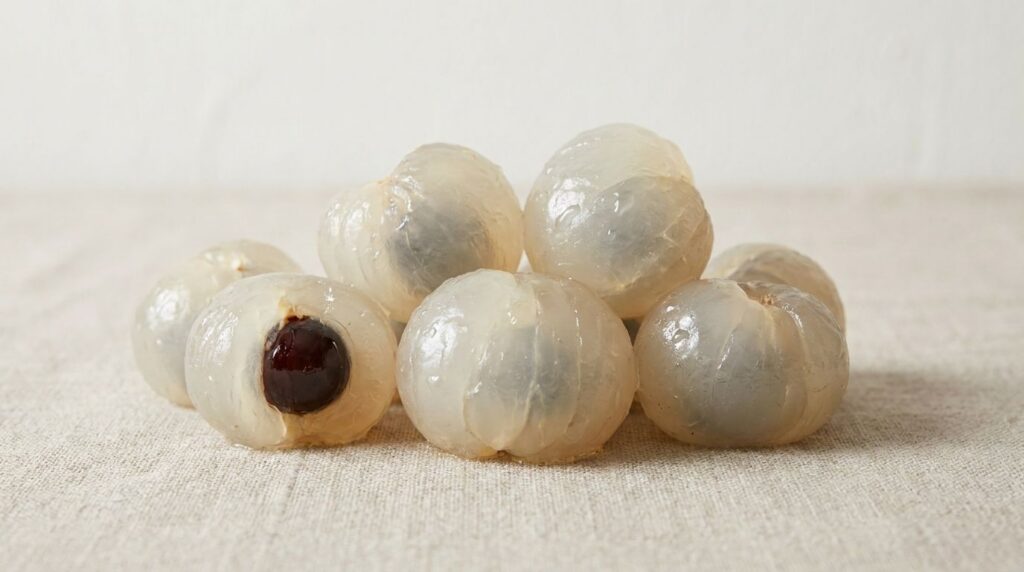 The ‘dragon’s eye’ appearance of a peeled longan fruit.
How Often to Use
For general wellness and enjoyment, fresh longan can be consumed daily in moderation, much like any other fruit. For specific traditional uses like calming tea, one cup per day, particularly in the evening, is a common practice. Always listen to your body and adjust consumption as needed.
Quick Tip: Fresh vs. Dried
While both fresh and dried longan offer benefits, their uses and nutritional profiles vary slightly. Fresh longan is rich in Vitamin C, while dried longan has a more concentrated sweetness and is often prized for its purported qi-boosting and calming effects in traditional practices. Choose based on your preference and intended use.
How to Buy / How to Choose Ingredients
For Fresh Longan:
- Look for: Smooth, unblemished, and intact skin. The color should be a uniform yellowish-brown.
- Feel for: Firmness. Avoid soft, bruised, or cracked fruits.
- Smell for: A subtle, sweet aroma.
For Dried Longan:
- Look for: A rich, dark brown color with a slightly shriveled but plump appearance.
- Avoid: Pieces that are excessively hard, moldy, or have an off smell.
- Source: Purchase from reputable suppliers, especially in Asian markets or online specialty stores.
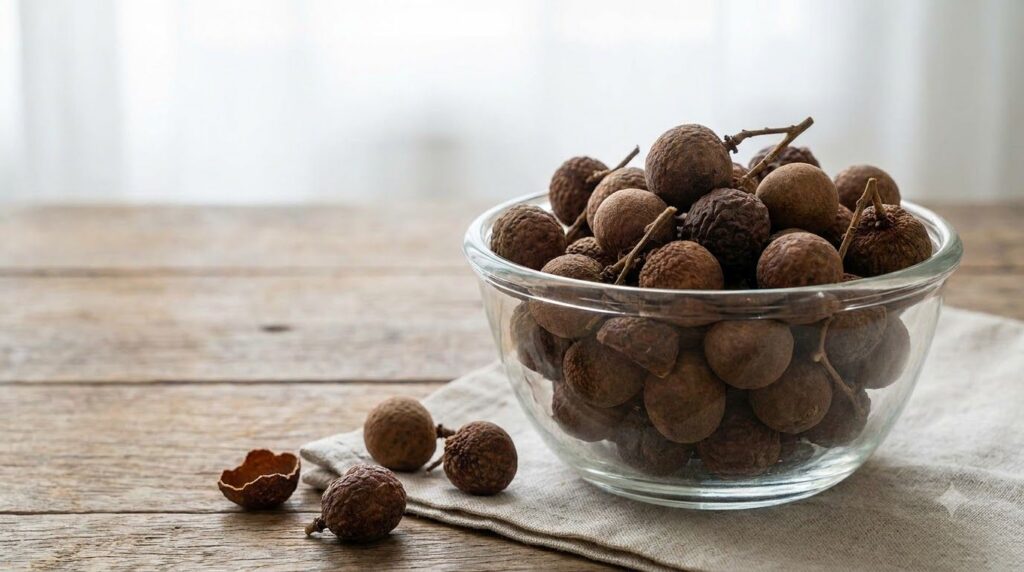 Dried longan fruit, commonly used in teas and traditional recipes.
Storage
Fresh Longan:
Store fresh longan in a perforated plastic bag in the refrigerator for up to 1-2 weeks. Do not wash them until you are ready to eat them, as moisture can accelerate spoilage.
Dried Longan:
Store dried longan in an airtight container in a cool, dark, dry place. They can last for several months, or even up to a year, if stored properly. For longer storage, you can also refrigerate them.
Practical Tips
- Easy Peeling: The thin skin of longan is usually easy to peel by hand. A slight squeeze can help crack the skin.
- Serving Suggestion: Serve fresh longan chilled for the best flavor. They pair wonderfully with other tropical fruits.
- Seed Removal: Be mindful of the large central seed when eating fresh longan.
- Sweetener Adjustments: When making tea, adjust the amount of honey or other sweeteners to your personal taste.
Here’s a comparison to help you choose the best form of longan for your needs:
FeatureFresh LonganDried LonganTasteSweet, juicy, slightly muskyMore intensely sweet, concentrated flavorTextureSoft, translucent, firm fleshChewy, shriveled, somewhat stickyPrimary UsesSnacking, fruit salads, dessertsTeas, soups, congee, desserts, herbal remediesNutrientsHigher in Vitamin C, water contentMore concentrated sugars, some mineralsStorage1-2 weeks in refrigeratorSeveral months in airtight container
Common Mistakes
- Choosing Unripe Fruit: Unripe longan can be tart and lack the full sweetness and beneficial compounds.
- Improper Storage: Leaving fresh longan at room temperature for too long can lead to quick spoilage.
- Overconsumption of Dried Longan: Due to its concentrated sugar content, consuming large quantities of dried longan can be problematic for those monitoring sugar intake.
- Confusing with Lychee: While similar, longan and lychee are distinct fruits with different flavor profiles and textures. Ensure you’re buying longan if that’s what you intend.
Cautions / Who Should Avoid It
Longan is generally safe for most people when consumed in moderation. However, consider the following:
- Sugar Content: Longan is naturally high in sugar, especially the dried form. Individuals with diabetes or those managing blood sugar levels should consume it in moderation.
- Allergies: While rare, some individuals may have an allergic reaction to longan. Discontinue use if you experience any adverse symptoms.
- Pregnancy: In some traditional practices, excessive consumption of longan (especially dried) during pregnancy is advised against, particularly during the early stages. Consult a healthcare professional if you have concerns.
Quick Summary
Longan, the ‘dragon’s eye’ fruit, is a sweet and versatile tropical gem with traditional wellness benefits. Enjoy it fresh for a burst of flavor and Vitamin C, or use dried longan to prepare a calming tea to support relaxation. Store fresh longan in the fridge and dried longan in an airtight container in a cool, dark place. Always choose firm, unblemished fresh fruit and well-preserved dried varieties. Be mindful of its sugar content, especially in its dried form.
 Enjoying a warm cup of longan tea, a traditional calming remedy.
FAQ
Q: Can I use fresh longan for the tea recipe instead of dried?
A: While you can, dried longan is traditionally preferred for teas due to its concentrated flavor and different beneficial compounds released during simmering.
Q: How long does fresh longan last?
A: Fresh longan typically lasts 1-2 weeks when stored properly in the refrigerator.
Q: Can I freeze longan?
A: Yes, you can freeze peeled longan fruits. Place them in an airtight container or freezer bag, and they can last for several months. They are great for smoothies when frozen.
Q: What part of the longan is best for consumption?
A: The translucent flesh surrounding the seed is the edible part. The skin and seed are typically discarded.
Q: How does longan compare to lychee?
A: Longan has a slightly less aromatic, more musky sweetness compared to lychee’s floral sweetness. Longan skin is smoother and easier to peel, while lychee skin is rougher. Both are delicious tropical fruits.
Q: Is dried longan healthier than fresh longan?
A: Both have benefits. Fresh longan provides more Vitamin C and water content, while dried longan offers concentrated sugars and is often favored in traditional practices for specific calming properties.
Q: When should I avoid longan?
A: Individuals with diabetes should moderate intake due to sugar content. Pregnant individuals should consult a doctor regarding traditional recommendations for avoiding excessive consumption.
Conclusion
The humble longan fruit, with its intriguing ‘dragon’s eye’ moniker, offers more than just a sweet treat. By understanding its simple preparation methods, whether enjoyed fresh or brewed into a calming tea, you can easily integrate this traditional gem into your daily routine. Don’t let its modest appearance fool you; longan holds a gentle power waiting to be discovered, providing a natural path to sweetness and serenity.