Most people cherish longan for its sweet, juicy fruit, a delightful treat often enjoyed fresh or in desserts. But what if we told you that the entire tree, from its lush leaves to its often-discarded seeds, holds a spectrum of traditional uses and benefits far beyond just the edible pulp? While the tree’s beautiful, delicate flowers signal the coming harvest, it’s the fruit and other parts that offer a surprising array of practical applications often overlooked.
We’re delving into the lesser-known aspects of the longan tree, focusing on how its various components can be harnessed in simple, natural preparations. This isn’t just about enjoying a tasty snack; it’s about understanding a plant that has been a staple in traditional practices for centuries, offering more than meets the eye.
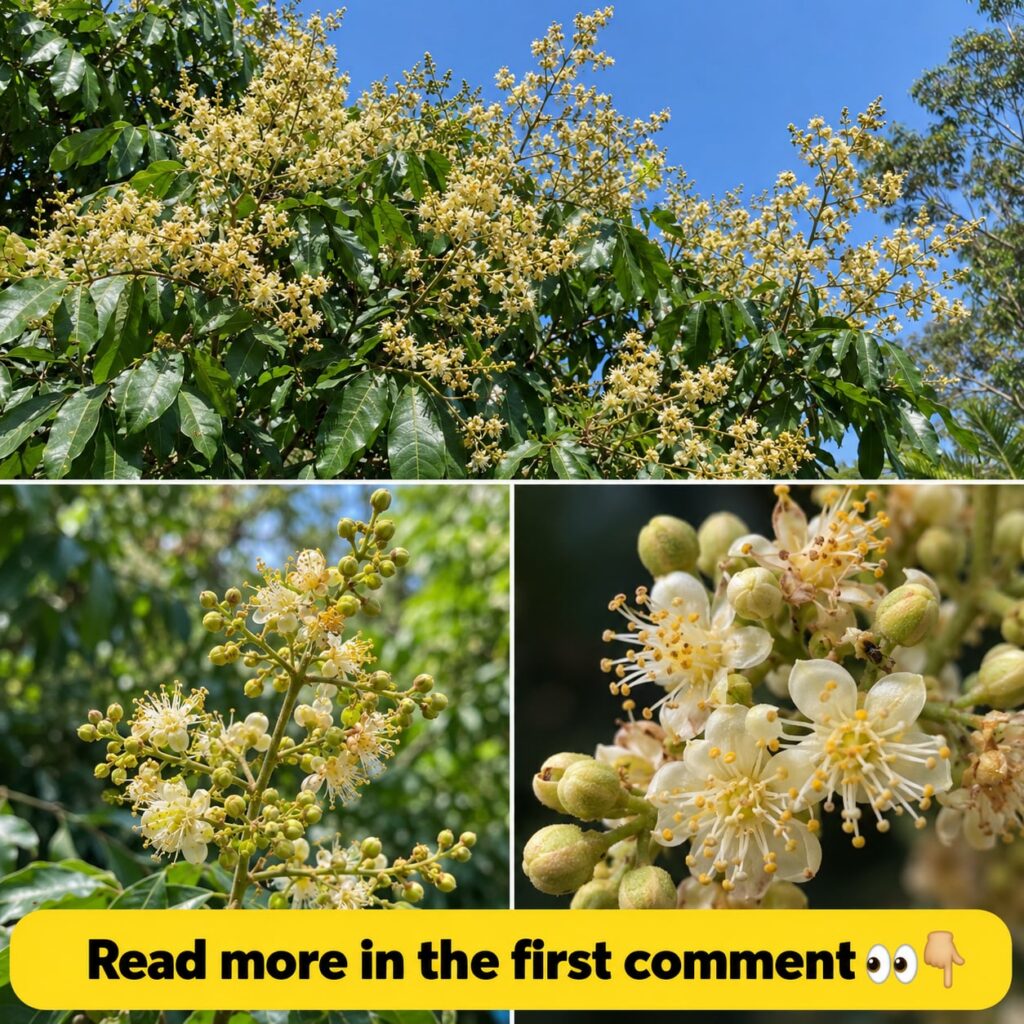 The beautiful longan tree in full bloom, a harbinger of its precious fruit.
What is Longan and Its Many Forms?
Longan (Dimocarpus longan) is a tropical tree native to Southeast Asia, often called ‘dragon’s eye’ due to the black seed showing through the translucent pulp when the fruit is peeled. While the fresh fruit is a popular snack, its dried form, leaves, and even seeds have been traditionally employed in various ways. The dried longan fruit, often called ‘gui yuan’ in traditional Asian practices, is a common ingredient in restorative teas and tonics.
Did You Know?
The longan tree’s flowers, though not typically used in remedies themselves, are vital for attracting pollinators, ensuring the abundant fruit harvest that follows. The sweet scent is a natural draw for bees.
Your Simple Longan Fruit Tea Recipe
One of the easiest and most effective ways to incorporate longan into your routine is by preparing a simple, soothing tea using the dried fruit. This preparation is believed to support general well-being and offer a sense of calm.
Ingredients
- Dried longan fruit (shelled): 15-20 pieces
- Water: 3 cups
- Optional: Goji berries (1 tablespoon), red dates (3-5, pitted), a small slice of ginger
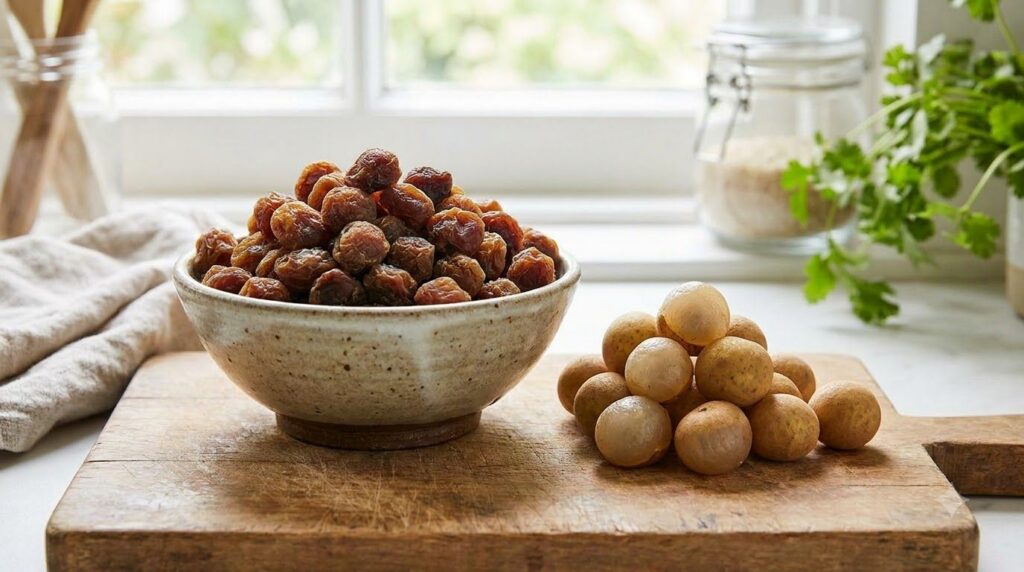 Dried longan fruit is typically used for teas and remedies, differing significantly from the fresh fruit.
Approximate Measurements
- For a single serving of tea: 15-20 pieces of dried longan.
- For a larger batch to last a few days: Double or triple the quantities.
Formula / Recipe: Longan & Herb Infusion
This recipe focuses on creating a gentle, warming infusion. The optional additions enhance the flavor and provide complementary traditional benefits.
Step-by-Step Method
- Rinse Ingredients: Gently rinse the dried longan fruit (and goji berries/red dates if using) under cool running water to remove any dust or impurities.
- Combine: Place the rinsed longan (and other optional ingredients) into a small pot or heatproof glass pitcher.
- Add Water: Pour 3 cups of fresh water over the ingredients.
- Bring to a Boil: Bring the water to a gentle boil over medium heat.
- Simmer: Once boiling, reduce the heat to low, cover, and let it simmer for 15-20 minutes. This allows the flavors and compounds to properly infuse into the water.
- Strain (Optional): You can strain the liquid to remove the solids, or leave them in and consume them along with the tea.
- Serve: Pour the warm longan tea into a cup and enjoy.
How to Use
Drink the longan tea warm. It can be enjoyed on its own or as a soothing accompaniment to a light meal. The rehydrated longan fruit pieces are also edible and can be quite delicious.
How Often to Use
This tea can be consumed 1-2 times daily, particularly during times when you seek a sense of calm or gentle revitalization. It’s generally considered mild enough for regular consumption, but always listen to your body.
How to Buy / How to Choose Ingredients
When purchasing dried longan fruit, look for:
- Color: A consistent brownish-red hue, indicating proper drying. Avoid those that appear excessively dark or moldy.
- Texture: Should be somewhat pliable, not overly dry and brittle.
- Smell: A subtle, sweet aroma. Avoid any with a sour or off-putting smell.
- Source: Purchase from reputable herbal shops or Asian markets that have a good turnover of stock to ensure freshness.
Quick Tip
For maximum freshness, buy dried longan fruit that is still in its shell, then shell it yourself just before use. However, pre-shelled dried longan is also widely available and convenient.
Storage
Store dried longan fruit in an airtight container in a cool, dry, dark place. This prevents moisture absorption and helps maintain its quality. Properly stored, it can last for 6-12 months. The prepared tea can be refrigerated for up to 2-3 days.
Practical Tips
- Adjust Sweetness: While dried longan offers natural sweetness, you can add a touch of honey or rock sugar if you prefer a sweeter tea.
- Combine with Other Herbs: Longan pairs well with other traditional herbs like astragalus root or ginseng for enhanced effects, depending on your desired outcome.
- Soup Ingredient: Beyond tea, dried longan is a common ingredient in savory soups and stews in some Asian cuisines, adding a subtle sweetness and depth of flavor.
Common Mistakes
- Over-boiling: Simmering for too long can sometimes result in a slightly bitter taste or reduce the delicate flavors. Stick to the 15-20 minute range.
- Using Fresh Longan for Tea: While delicious, fresh longan fruit is not typically used for this type of infused tea. Its properties and flavor profile are best enjoyed raw or in desserts.
- Improper Storage: Leaving dried longan exposed to air or moisture can lead to spoilage or mold, rendering it unusable.
- Ignoring Quality: Using old, stale, or discolored dried longan will result in a less flavorful and potentially less effective tea.
Cautions / Who Should Avoid It
Longan is generally considered safe for most people in moderation. However, consider the following:
- Diabetes: Due to its natural sugar content, individuals with diabetes should consume longan products in moderation and monitor blood sugar levels.
- Pregnancy: While traditionally used, it’s always best to consult with a healthcare professional before consuming herbal remedies during pregnancy or breastfeeding.
- Allergies: If you have allergies to similar fruits or plants, exercise caution.
- Overconsumption: As with any food or herb, excessive consumption may lead to discomfort in some individuals.
Comparison: Fresh vs. Dried Longan
FeatureFresh Longan FruitDried Longan FruitAppearanceRound, pale brown shell, translucent pulpShriveled, brownish-red, often de-shelledTasteSweet, juicy, aromaticIntensely sweet, deeper, caramel-like notesPrimary UseSnack, desserts, saladsTeas, tonics, soups, herbal remediesStorageRefrigerate up to 1 weekAirtight container, cool/dry place, up to 12 monthsTraditional FocusHydration, immediate energyNourishing, warming, calming properties
Quick Summary
Longan, particularly its dried fruit, offers a versatile and nourishing component for simple home remedies. Prepare a warming tea by simmering 15-20 pieces of dried longan in 3 cups of water for 15-20 minutes. This tea is traditionally enjoyed 1-2 times daily. Store dried longan in an airtight container in a cool, dry place. Always choose quality dried fruit and avoid over-boiling. While generally safe, those with diabetes, pregnant individuals, or those with allergies should exercise caution or consult a professional.
FAQ
- Can I use fresh longan fruit for this tea?
- No, for this traditional tea, dried longan fruit is preferred as it imparts a different flavor and is believed to have distinct properties when prepared this way.
- How long does longan tea last in the refrigerator?
- The prepared longan tea can be stored in an airtight container in the refrigerator for up to 2-3 days.
- Can I reuse the dried longan pieces?
- While you can, the potency and flavor will be significantly reduced after the first brew. It’s generally recommended to use fresh dried longan for each batch.
- What part of the longan tree is best for remedies?
- The dried fruit is the most common and widely used part for infusions and tonics. Longan seeds and leaves also have traditional uses, but the fruit is the most accessible for home remedies.
- Is longan tea good for sleep?
- Traditionally, longan tea is consumed for its calming properties, which may indirectly support relaxation. However, it is not a direct sleep aid.
- Can children drink longan tea?
- In moderation, longan tea is generally considered safe for children, but it’s always best to consult with a pediatrician, especially for very young children.
Conclusion
The longan tree is a testament to nature’s generosity, offering much more than its popular fresh fruit. By understanding the simple preparation of dried longan tea, you can easily incorporate a time-honored remedy into your daily routine. This gentle, warming infusion provides a subtle way to connect with traditional practices and enjoy the understated benefits of this remarkable plant. Embrace the full spectrum of what longan has to offer and discover a new layer of natural well-being.