Most people think of cloves as a mere cooking spice, something reserved for festive baking or a warming mulled drink. But for centuries, herbalists have prized cloves not just for their aromatic profile, but for a remarkable array of practical benefits, particularly those supporting women’s wellness. What many overlook is how simple it is to incorporate this potent spice into a daily routine, offering support that goes far beyond just flavor.
We’re talking about a natural remedy that can address common discomforts, boost digestive health, and even contribute to a sense of overall vitality. The key isn’t in complex concoctions, but in understanding how to best prepare and use this humble spice.
What Are Cloves?
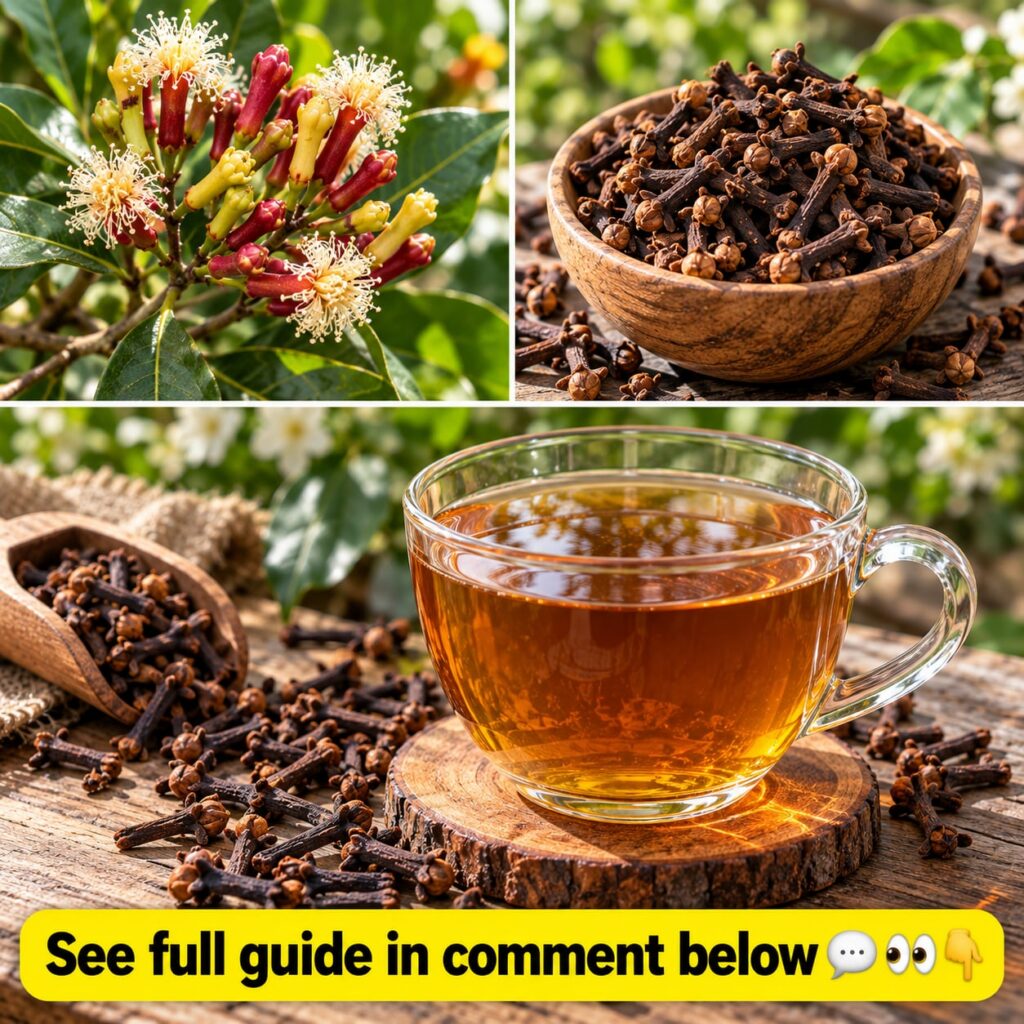
Cloves are the aromatic dried flower buds of the clove tree (Syzygium aromaticum), native to Indonesia. These small, nail-shaped spices are renowned for their distinctive, warm, and somewhat sweet flavor, along with a powerful aromatic punch. The magic in cloves lies primarily in eugenol, an active compound responsible for much of their traditional use, from soothing properties to supporting overall well-being. While often used whole, ground cloves are also a staple in many kitchens, but for remedies, whole cloves are often preferred for their freshness and potency.
Simple Clove Preparations for Wellness
When it comes to leveraging cloves for wellness, the simplest preparations are often the most effective. Here, we’ll focus on two practical methods: a comforting clove tea and a soothing infused oil.
Ingredients You’ll Need
- For Clove Tea:
- 1 teaspoon whole cloves
- 1 cup (240 ml) hot water
- Optional: Honey or lemon to taste
- For Clove-Infused Oil (Topical):
- 1 tablespoon whole cloves
- ½ cup (120 ml) carrier oil (e.g., olive oil, almond oil, coconut oil)
- Small, clean glass jar with a lid
Clove Tea Formula / Recipe
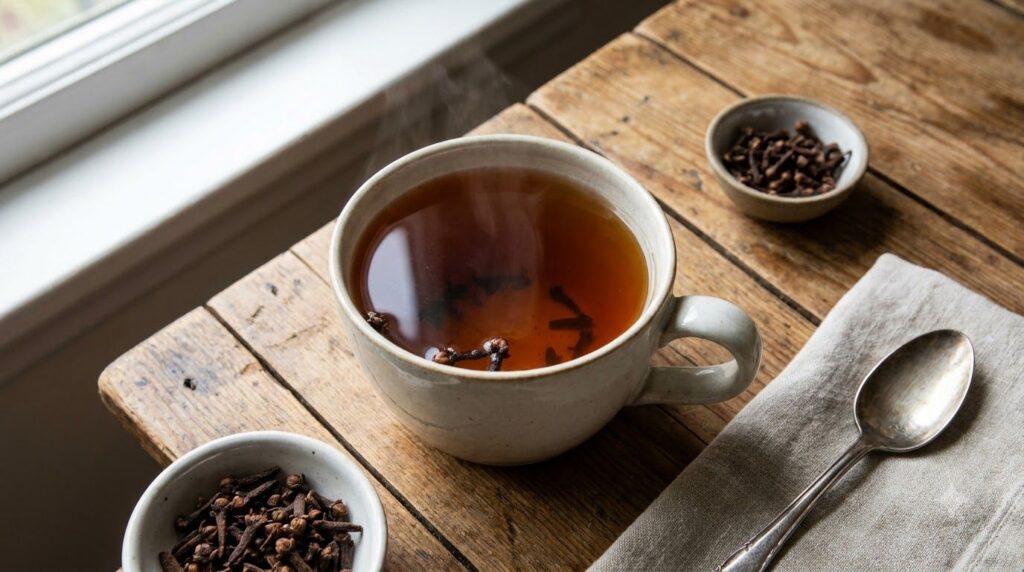
Clove tea is perhaps the easiest way to experience the internal benefits of this spice. It’s a warm, comforting brew that can be especially beneficial for digestive support and general well-being.
Step-by-Step Method for Clove Tea
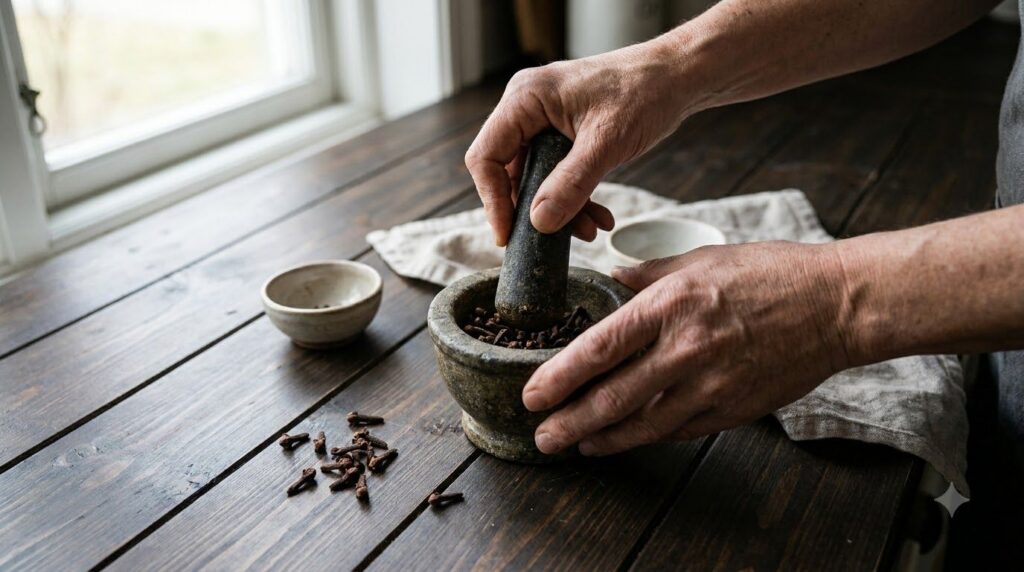
- Crush the Cloves (Optional, but Recommended): For maximum benefit, lightly crush the whole cloves in a mortar and pestle or with the back of a spoon. This helps release their active compounds.
- Heat Water: Bring 1 cup of fresh water to a boil.
- Combine: Place the crushed cloves in a mug. Pour the hot water over the cloves.
- Steep: Cover the mug and let the tea steep for 5-10 minutes. Covering is important to prevent the volatile oils from escaping with the steam.
- Strain: Strain the tea to remove the clove pieces.
- Enjoy: Drink warm. Add honey or lemon if desired for taste.
Quick Tip: Don’t boil cloves directly in water for too long, as this can lead to a more bitter taste and degrade some of the delicate compounds. Steeping in hot water is generally preferred.
Clove-Infused Oil Formula / Recipe
For external use, a clove-infused oil can be a soothing application for localized discomfort or as part of a calming massage.
Step-by-Step Method for Clove-Infused Oil
- Prepare Cloves: Lightly crush the whole cloves to help release their oils.
- Combine Ingredients: Place the crushed cloves in a clean, dry glass jar. Pour the carrier oil over the cloves, ensuring they are fully submerged.
- Infuse (Solar Infusion Method): Seal the jar tightly. Place the jar in a sunny spot (like a windowsill) for 2-4 weeks. Gently shake the jar every day or two to distribute the cloves and oil.
- Strain: After the infusion period, strain the oil through a fine-mesh sieve or cheesecloth to remove all clove pieces. Squeeze out any remaining oil from the cloves.
- Store: Pour the finished infused oil into a clean, dark glass bottle.
How to Use These Remedies
- Clove Tea: Drink 1 cup as needed for digestive comfort, especially after meals. It can also be consumed simply as a warming beverage.
- Clove-Infused Oil: Apply a small amount topically to areas of minor discomfort or for a warming massage. Always perform a patch test first.
How Often to Use
- Clove Tea: 1-2 times per day is generally sufficient. Regular, moderate use is key.
- Clove-Infused Oil: Apply as needed, up to 2-3 times per day.
How to Buy / How to Choose Ingredients
When purchasing cloves, opt for whole cloves whenever possible. They retain their potency much longer than ground cloves. Look for cloves that are dark brown, plump, and intact, with a strong, pungent aroma. If you press your fingernail into the head of a whole clove, it should release a small amount of oil. This indicates freshness. For carrier oils, choose high-quality, cold-pressed oils for the best results in your infusions.
Did You Know? The quality of your raw ingredients directly impacts the effectiveness of your homemade remedies. Sourcing organic, unadulterated cloves ensures you’re getting the purest form of the spice.
Storage
- Whole Cloves: Store whole cloves in an airtight container in a cool, dark place. They can retain their flavor and potency for up to a year.
- Clove Tea: Best consumed fresh. If you have leftovers, refrigerate and consume within 24 hours.
- Clove-Infused Oil: Store in a dark glass bottle in a cool, dark place. Properly stored, it can last for 6 months to a year, depending on the shelf life of your chosen carrier oil.
Practical Tips for Maximizing Benefits
- Crush for Potency: Lightly crushing whole cloves before steeping or infusing helps to release more of their beneficial compounds.
- Consistency is Key: For ongoing support, incorporate clove tea into your routine regularly rather than sporadically.
- Patch Test for Oil: Always test clove-infused oil on a small area of skin first to check for any sensitivity, especially if you have sensitive skin.
Common Mistakes to Avoid
- Boiling Cloves Too Vigorously: Over-boiling can make clove tea bitter and diminish some of its beneficial volatile oils. Stick to steeping.
- Using Stale Cloves: Old, scentless cloves will yield a less effective remedy. Always check for freshness.
- Improper Storage: Exposing cloves or clove preparations to air, light, or heat will degrade their quality quickly.
- Applying Undiluted Clove Oil: Pure clove essential oil is extremely potent and should never be applied directly to the skin without significant dilution, as it can cause irritation. Our infused oil method uses whole cloves, resulting in a much gentler preparation, but a patch test is still wise.
Clove Forms: Best Use Cases
| Clove Form | Best Use Case | Duration/Notes |
|---|---|---|
| Whole Cloves (Steeped Tea) | Digestive comfort, warming drink, general wellness | Drink as needed, 1-2 times daily |
| Whole Cloves (Infused Oil) | Topical application for minor discomfort, soothing massage | Apply as needed, 2-3 times daily; patch test required |
| Ground Cloves | Cooking, baking (less potent for remedies) | Use fresh for best flavor; potency for remedies diminishes quickly |
Cautions / Who Should Avoid It
While generally safe for most people in culinary amounts and in the remedies described, some individuals should exercise caution:
- Pregnancy and Breastfeeding: Consult a healthcare provider before using clove remedies in medicinal quantities.
- Bleeding Disorders: Eugenol in cloves might slow blood clotting. If you have a bleeding disorder or are on blood-thinning medications, consult your doctor.
- Allergies: If you are allergic to cloves or other members of the Myrtaceae family, avoid use.
- Sensitive Skin: Always perform a patch test before applying clove-infused oil topically.
Quick Summary
- Best Preparation: Clove Tea for internal use, Clove-Infused Oil for external application.
- Best Use-Case: Clove tea aids digestion and provides general warmth; infused oil can soothe localized discomfort.
- Storage: Keep whole cloves in airtight containers. Clove tea is best fresh, oil in dark bottles in a cool, dark place.
- When to Use: Clove tea after meals or for comfort; infused oil for targeted topical relief.
- What to Avoid: Over-boiling, stale cloves, direct application of essential oil, ignoring patch tests.
FAQ
- Can I use ground cloves for tea? While possible, whole cloves are preferred for better flavor and potency, as ground cloves lose their volatile oils more quickly.
- How long does clove tea last? It’s best consumed fresh. Refrigerate any leftovers and drink within 24 hours.
- Can I use clove oil for aromatherapy? Yes, clove essential oil can be diffused for its warming aroma, but use sparingly as its scent is strong. Our infused oil is milder and meant for topical use.
- What part of the clove is best for remedies? The whole dried flower bud is what is used for both culinary and remedial purposes.
- Is it safe to consume cloves daily? In the form of tea (1-2 cups), it’s generally safe for most healthy adults, but always listen to your body and consult a healthcare professional if you have concerns.
- Can I reuse the cloves for another batch of tea? No, for maximum potency, use fresh cloves for each batch of tea.
- When should I avoid using clove remedies? Avoid if pregnant, breastfeeding, on blood thinners, or if you have a known allergy, without consulting a doctor.
Cloves are more than just a seasonal flavor; they are a versatile natural ally, especially for women navigating various wellness needs. By embracing simple preparations like tea and infused oil, you can tap into the profound benefits this ancient spice has to offer, turning everyday wellness into an accessible, aromatic practice.
You may also like: Read more about other warming spices for wellness.
Related remedy: Discover the benefits of ginger for digestive health.