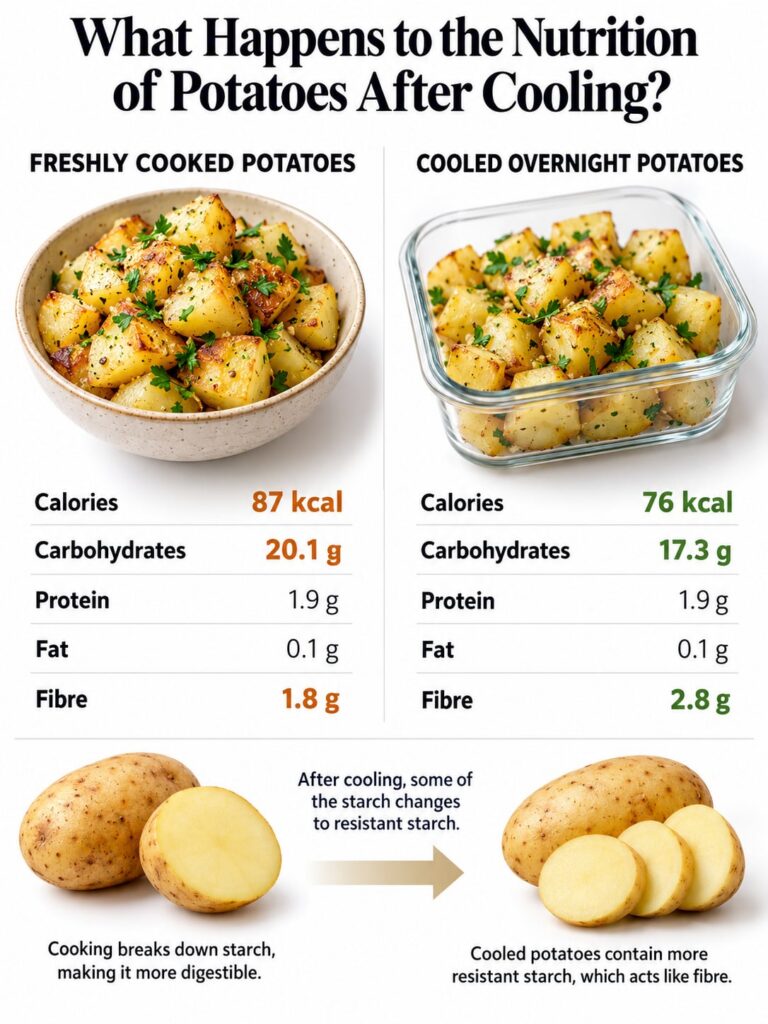
Did you know that simply cooling your cooked potatoes can unlock a powerful benefit for your digestive system? What might seem like a simple meal prep hack actually triggers a fascinating nutritional transformation. When hot potatoes cool, their starch undergoes a remarkable change, becoming what’s known as resistant starch – a special type of fiber that can significantly support your gut health.
This often-overlooked process turns a common pantry staple into a true superfood for your microbiome. Understanding this transformation means you can make smarter, more gut-conscious choices in your daily meals. In this article, we’ll explore the science behind resistant starch in cooled potatoes, uncover its unique benefits, and share practical ways to incorporate this gut-friendly food into your diet.
The Magic Behind Cooled Potatoes: Understanding Resistant Starch
The secret lies in a process called ‘retrogradation.’ When potatoes are cooked, the starches swell and become easily digestible. However, as these cooked starches cool, particularly through refrigeration, their structure changes. They recrystallize, becoming less accessible to the digestive enzymes in your small intestine. This transformed starch is what we call resistant starch.
Think of resistant starch as a dietary fiber. Unlike most carbohydrates that are broken down and absorbed quickly, resistant starch passes largely undigested through your stomach and small intestine, reaching your large intestine intact. This journey is where its true benefits begin to unfold.
The Gut-Friendly Benefits of Resistant Starch
Once resistant starch reaches your large intestine, it becomes a feast for the beneficial bacteria residing there. These good bacteria ferment the resistant starch, producing short-chain fatty acids (SCFAs) like butyrate, which are incredibly important for gut health.
- Nourishes Gut Bacteria: Resistant starch acts as a prebiotic, feeding the healthy bacteria in your colon. A thriving gut microbiome is linked to improved digestion, enhanced immunity, and even better mood regulation.
- Supports Digestive Health: By increasing beneficial bacteria and SCFA production, resistant starch can contribute to a healthier gut lining, reduce inflammation, and promote regularity. It functions much like other dietary fibers, aiding in smooth digestion.
- May Help with Blood Sugar Regulation: Because resistant starch isn’t fully digested in the small intestine, it can lead to a lower and slower rise in blood sugar levels compared to rapidly digestible starches. This can be particularly beneficial for managing blood sugar.
- Can Contribute to Satiety: Foods rich in resistant starch can help you feel fuller for longer, potentially aiding in weight management by reducing overall calorie intake.
Smart Ways to Enjoy Cooled Potatoes for Better Health
Incorporating cooled potatoes into your diet is simple and delicious. The key is to cook your potatoes (boil, bake, or roast), let them cool completely, and then refrigerate them for at least 12-24 hours before consuming.
- Potato Salads: A classic way to enjoy cooled potatoes. Opt for lighter, yogurt- or vinegar-based dressings instead of heavy mayonnaise to maximize health benefits. Add plenty of fresh vegetables like celery, onions, and herbs.
- Cold Potato Sides: Simply dice and season cooled potatoes with olive oil, herbs, salt, and pepper for a quick and healthy side dish. They pair wonderfully with grilled chicken, fish, or a vibrant salad.
- Lunchbox Staple: Pre-cook a batch of potatoes at the beginning of the week, let them cool, and store them in the fridge. They’re perfect for adding to packed lunches, whether as a base for a grain bowl or mixed into a hearty salad.
- Add to Green Salads: Cut cooled potatoes into cubes and toss them into your favorite green salads for added texture, fiber, and satiety.
Frequently Asked Questions About Resistant Starch and Potatoes
Does reheating cooled potatoes reverse the resistant starch?
While some of the resistant starch may revert back to digestible starch upon reheating, a significant portion can remain. For the most benefit, enjoy them cold or slightly warmed. However, the exact amount that reverts depends on the reheating method and temperature.
Are all types of potatoes equally good for resistant starch?
Different potato varieties have varying starch compositions, but most starchy potatoes (like Russets or Yukon Golds) will form resistant starch upon cooling. The cooking and cooling process is more critical than the specific potato type.
How much resistant starch do I get from cooled potatoes?
The amount varies depending on the potato type, cooking method, and cooling time. Generally, cooled cooked potatoes can contain a notable amount of resistant starch, making them a valuable addition to a balanced diet.
Harnessing the power of resistant starch from cooled potatoes is an easy and effective way to boost your gut health. This simple kitchen trick transforms an everyday vegetable into a functional food that nourishes your beneficial gut bacteria, supports digestion, and may offer additional metabolic advantages. Start experimenting with cooled potatoes in your meals today and embrace this ‘slow habit’ for a healthier you!