Most people ignore this, focusing solely on the sweet, luscious fruit, but the true culinary magic of the fig tree often lies hidden in its leaves. While figs get all the attention, seasoned herbalists and chefs have long cherished the distinctive aroma and flavor locked within the broad, emerald green fig leaves. If you’ve never considered using fig leaves beyond a decorative garnish or a wrapping for grilled foods, you’re missing out on a deeply flavorful secret: Fig Leaf Sauce.
This vibrant, herbaceous sauce is a revelation, offering a unique flavor profile that can transform simple dishes into gourmet experiences. Imagine a sauce that carries hints of coconut, vanilla, and a subtle green earthiness, all without a single drop of coconut or vanilla added. That’s the power of the fig leaf.
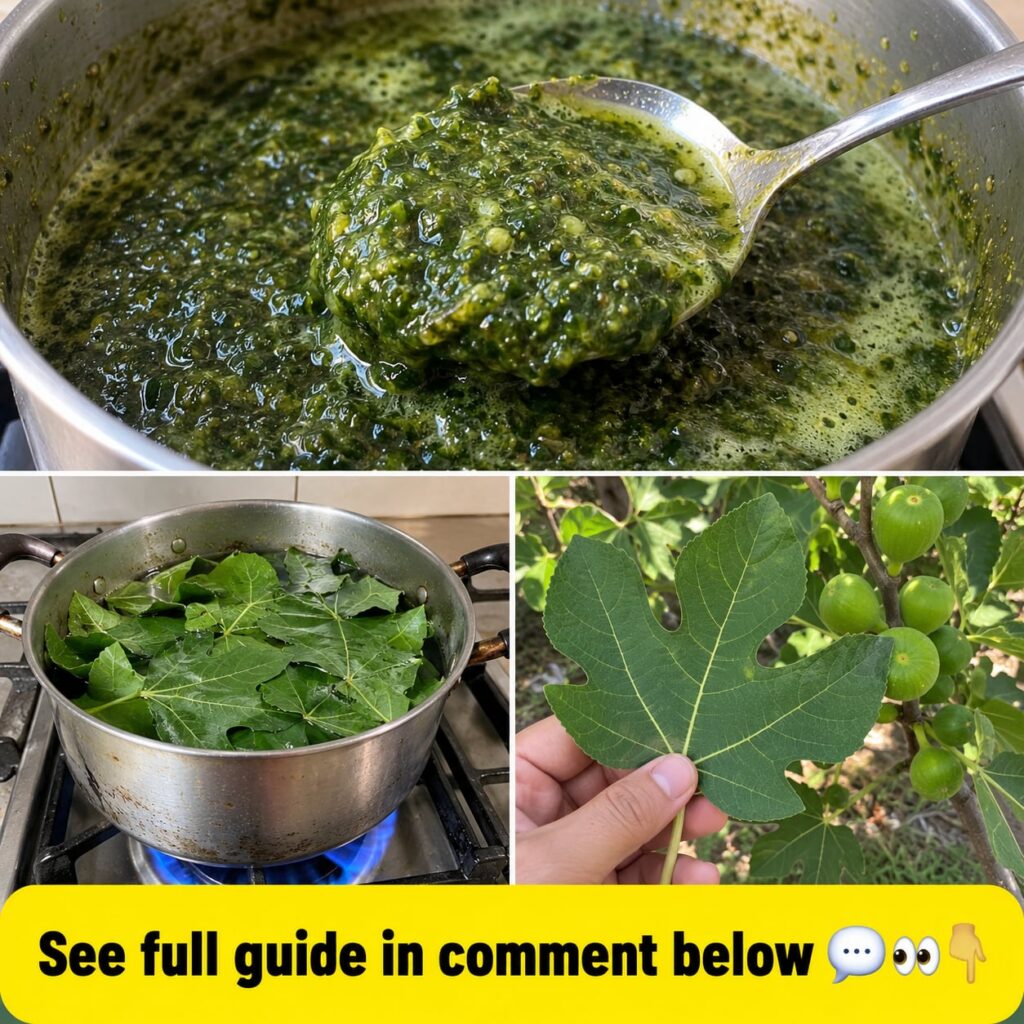
What It Is: Your Next Favorite Herbaceous Sauce
Fig Leaf Sauce is a versatile condiment crafted from fresh fig leaves, often blended with olive oil, garlic, lemon juice, and seasonings, sometimes with nuts or cheese similar to a pesto. Unlike other herb-based sauces, it delivers an unexpectedly delicate yet complex flavor, often described as having notes of coconut, pistachio, and a fresh green essence. It’s a fantastic way to utilize a part of the fig tree that is usually discarded, adding a sophisticated and unique touch to your cooking.
Ingredients for a Classic Fig Leaf Sauce
Creating this sauce requires only a few quality ingredients. The key is, of course, fresh, unsprayed fig leaves.
- 10-12 large, tender fresh fig leaves (ensure they are young and tender for best flavor and texture)
- 1/2 cup extra virgin olive oil
- 2-3 cloves garlic, peeled
- 2 tablespoons fresh lemon juice
- 1/4 cup toasted pine nuts or walnuts (optional, for creaminess and richness)
- 1/4 cup grated Parmesan cheese (optional, for umami and texture)
- Salt and freshly ground black pepper to taste
- A pinch of red pepper flakes (optional, for a subtle kick)
Approximate Measurements
These measurements provide a starting point. Feel free to adjust to your taste, particularly the lemon, garlic, and seasoning.
- Fig Leaves: Approx. 50-70 grams
- Olive Oil: Approx. 120 ml
- Garlic: 10-15 grams
- Lemon Juice: 30 ml
- Nuts/Cheese: 25-30 grams each
The Formula: Crafting Your Fig Leaf Sauce
This recipe yields about 1 cup of sauce, perfect for a few meals or a small gathering.
- Prepare the Fig Leaves: Rinse the fig leaves thoroughly under cold water to remove any dirt or debris. Pat them dry completely with a clean towel. Remove any tough stems.
- Rough Chop: Stack the dried leaves and roll them tightly, then roughly chop them. This makes it easier for your food processor or blender to handle.
- Combine Ingredients: In a food processor, combine the chopped fig leaves, garlic cloves, lemon juice, pine nuts (if using), and Parmesan cheese (if using).
- Blend and Drizzle: Pulse the mixture a few times. With the food processor running, slowly drizzle in the olive oil until the sauce reaches your desired consistency. It should be relatively smooth but still have a slight texture from the leaves.
- Season: Stop the processor and scrape down the sides. Season with salt, fresh black pepper, and red pepper flakes (if using). Pulse again briefly to incorporate. Taste and adjust seasonings as needed. You might want more lemon for brightness or a bit more salt.
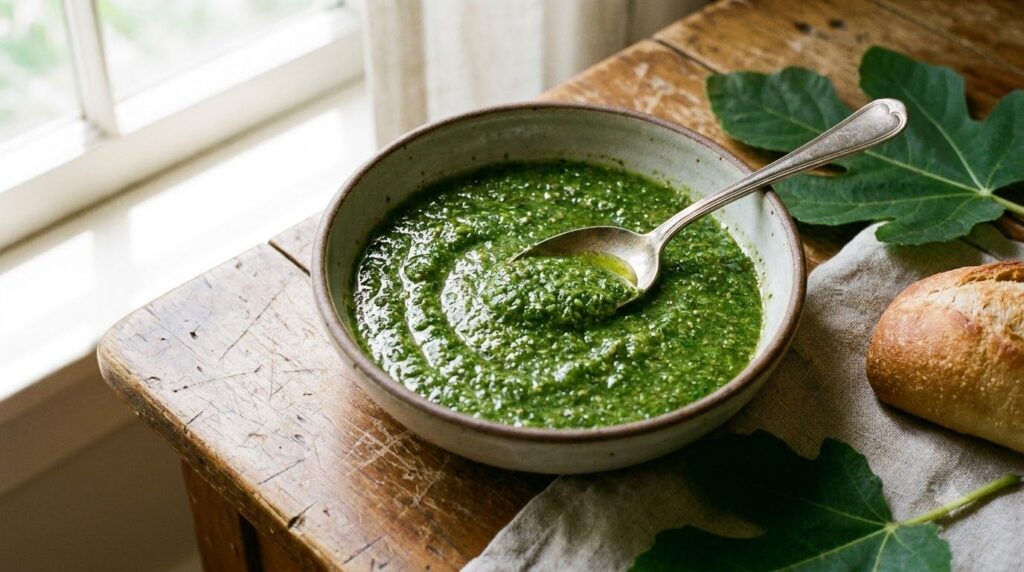
How to Use Your Fig Leaf Sauce
This sauce is incredibly versatile. Here are some popular uses:
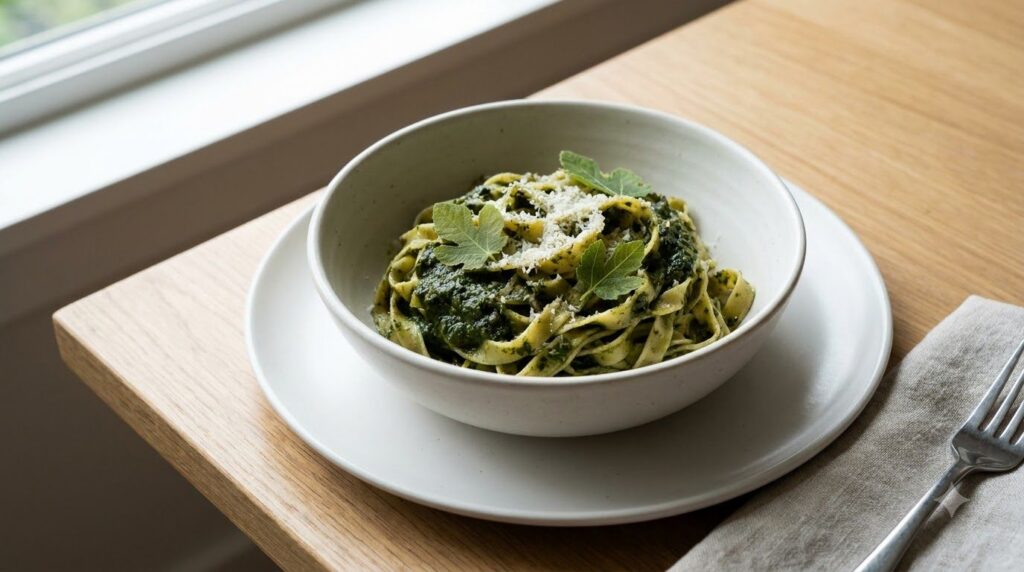
- Pasta Sauce: Toss it with your favorite pasta for a light, aromatic meal.
- Dressing: Drizzle over grilled vegetables, salads, or roasted meats and fish.
- Marinade: Use it as a marinade for chicken, fish, or firm tofu before grilling or baking.
- Spread: Spread on sandwiches, wraps, or crostini for a burst of unique flavor.
- Dip: Serve as a dip with crusty bread or fresh crudités.
Quick Tip: For a richer flavor, toast the fig leaves lightly in a dry pan for a few minutes before blending. This intensifies their unique notes.
How Often to Use
Fig leaf sauce can be enjoyed as often as you like, as a regular part of your culinary repertoire. It’s a fresh, herb-based condiment, similar to pesto, so daily or weekly use in various dishes is perfectly fine.
How to Choose & Buy Fig Leaves
The best fig leaves come from unsprayed fig trees. If you have access to a fig tree in your garden or a neighbor’s, that’s ideal. Look for young, tender leaves that are vibrant green and free from blemishes or insect damage. Avoid older, tougher leaves as they can be fibrous and have a stronger, less desirable flavor. If buying, check local farmers’ markets or specialty grocers. Always confirm they are culinary-grade and free from pesticides.
Storage
Once prepared, store the fig leaf sauce in an airtight container in the refrigerator. To prevent browning and extend freshness, pour a thin layer of olive oil over the top of the sauce before sealing. It will keep well for 5-7 days in the fridge.
For longer storage, fig leaf sauce freezes beautifully. Portion it into ice cube trays, freeze until solid, then transfer the cubes to a freezer-safe bag. It can be stored in the freezer for up to 3 months. Thaw in the refrigerator or add directly to warm dishes.
Practical Tips for Best Results
- Leaf Selection: Always opt for fresh, tender, young leaves. Older leaves can be bitter and tough.
- Wash Thoroughly: Ensure leaves are meticulously cleaned and completely dry before blending. Excess water can dilute the flavor and compromise texture.
- Taste as You Go: Adjust lemon, salt, and pepper to achieve the perfect balance of flavors.
- Balance Flavor: If the sauce tastes too ‘green’ or bitter, a tiny pinch of sugar or a bit more lemon juice can help balance it.
Common Mistakes to Avoid
Making fig leaf sauce is straightforward, but a few common missteps can affect the final outcome:
- Using Old or Damaged Leaves: This leads to a fibrous texture and an overly bitter taste. Stick to young, blemish-free leaves.
- Not Washing Leaves Properly: Dirt or residue can ruin the flavor and hygiene of your sauce.
- Over-Blending: While you want a smooth sauce, over-blending can make it gummy or warm, affecting the fresh taste. Pulse until just combined to your desired consistency.
- Using Too Little Oil: Olive oil is crucial for the sauce’s texture and acts as a preservative. Don’t skimp.
- Skipping the Lemon: Lemon juice brightens the flavors and helps prevent oxidation (browning) of the leaves.
Cautions / Who Should Avoid It
Fig leaves contain furocoumarins, which can cause photosensitivity in some individuals, leading to skin irritation when exposed to sunlight after contact. While ingestion is generally considered safe in moderate amounts for culinary purposes, individuals with known allergies to figs or latex (which can cross-react with fig compounds) should exercise caution. Pregnant or nursing women, or those with underlying health conditions, should consult a healthcare professional before incorporating fig leaves into their diet regularly.
Did You Know? The milky sap found in fig stems and unripe fruit is the part that can cause skin irritation, but it’s generally not present in mature, washed leaves used for cooking.
Quick Summary: Your Fig Leaf Sauce Guide
- Best Preparation: Blended raw with olive oil, garlic, lemon, and optional nuts/cheese.
- Best Use-Case: Versatile – ideal for pasta, dressings, marinades, or spreads.
- Storage: Refrigerate for 5-7 days (with an olive oil layer) or freeze for up to 3 months.
- When to Use: Anytime you want a unique, aromatic, herbaceous flavor boost.
- What to Avoid: Old, tough, or unsprayed leaves; over-blending; forgetting to balance flavors.
Frequently Asked Questions About Fig Leaf Sauce
Can I use dried fig leaves for the sauce?
No, this recipe specifically calls for fresh, tender fig leaves. Dried fig leaves have a completely different texture and flavor profile, usually best suited for teas or slow-cooked dishes.
What does fig leaf sauce taste like?
It has a unique, nuanced flavor, often described as having notes of coconut, vanilla, pistachio, and a fresh, green earthiness. It’s surprisingly delicate and aromatic.
How long does fresh fig leaf sauce last?
When stored properly in an airtight container with a layer of olive oil on top, it lasts about 5-7 days in the refrigerator.
Can I freeze fig leaf sauce?
Yes, it freezes very well! Portion it into ice cube trays and freeze. Once solid, transfer the cubes to a freezer-safe bag for up to 3 months.
What if I don’t have pine nuts?
You can substitute walnuts, cashews, or even sunflower seeds for a different texture and flavor. Or, omit them entirely for a lighter sauce.
Is it safe to eat fig leaves?
Yes, culinary use of young, fresh fig leaves is generally safe. However, ensure they are unsprayed, and be mindful of potential photosensitivity if you handle a lot of the sap directly.
Can I make this sauce vegan?
Absolutely! Simply omit the Parmesan cheese, or use a vegan Parmesan alternative.
Conclusion
The fig leaf sauce is a testament to the hidden potential within our gardens and kitchens. By moving beyond the obvious fruit, we uncover a world of unique flavors waiting to be explored. This vibrant, aromatic sauce offers a sophisticated twist on everyday meals, proving that sometimes, the most extraordinary ingredients are the ones we’ve overlooked the longest. Give it a try, and you might just find your new favorite culinary secret.
You may also like: Read more about forgotten herbs in your garden.
Related remedy: Discover the benefits of homemade herbal pestos.

