Are you dreaming of a thriving garden bursting with vibrant flowers and bountiful vegetables, without relying on harsh chemicals? Good news, fellow gardeners! Many of the nutrients your plants crave can be found right in your kitchen and backyard. Embracing homemade, natural fertilizers is a fantastic way to nourish your soil, promote robust plant growth, and cultivate an organic paradise.
At Garden – L. Quyên, we believe gardening should be easy, enjoyable, and sustainable. Let’s dive into some incredible natural boosters that will make your plants sing with joy!
The Magic of Coffee Grounds: A Treat for Acid-Loving Plants
If you’re a coffee lover, you’re already halfway to a happier garden! Used coffee grounds are a gardener’s secret weapon, packed with nitrogen, phosphorus, potassium, magnesium, and copper. They are especially beloved by acid-loving plants, helping them absorb nutrients more efficiently and sometimes even influencing flower color!
Hydrangeas: Coffee Grounds’ Best Friends
One of the most famous beneficiaries of coffee grounds is the hydrangea. For those seeking to achieve those stunning blue blooms, coffee grounds can help lower the soil pH, making aluminum more available to the plant, which is key for blue coloration. They also contribute to overall plant health, leading to lusher foliage and more abundant flowers.
How to Use Coffee Grounds in Your Garden:
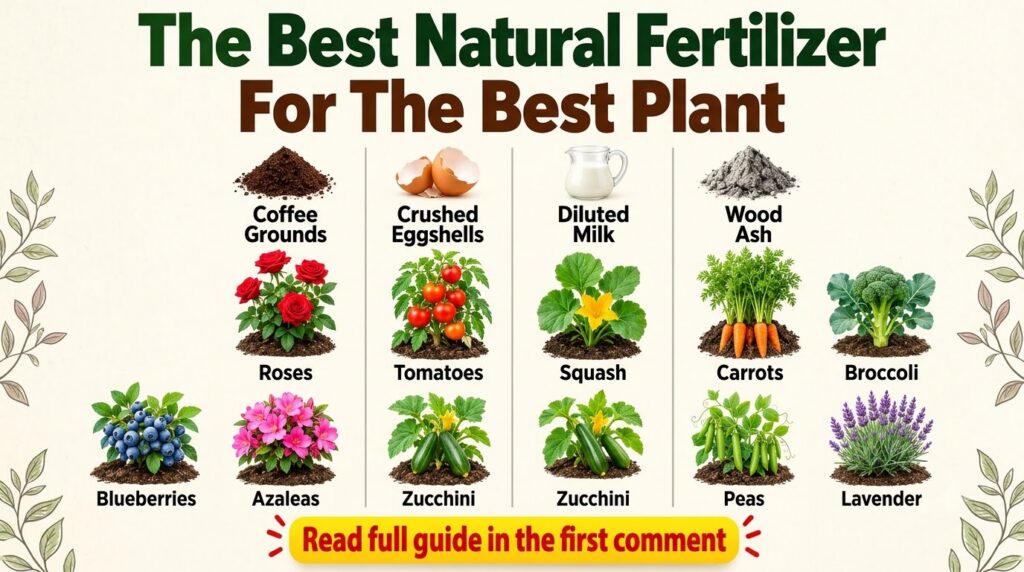
- Direct Application: Sprinkle used, dried coffee grounds directly around the base of acid-loving plants like hydrangeas, azaleas, rhododendrons, blueberries, and roses. Mix them lightly into the top inch of soil.
- Compost Booster: Add coffee grounds to your compost pile. They are a valuable ‘green’ material, adding nitrogen and accelerating decomposition.
- Liquid Feed: Steep a cup of coffee grounds in a gallon of water for a few days, then strain and use the ‘coffee tea’ to water your plants.
Remember, moderation is key. Too many fresh coffee grounds can have a strong acidic effect, so it’s best to use them dried and in balanced amounts.
Beyond Coffee: Other Kitchen Waste Wonders for Your Garden
Don’t stop at coffee grounds! Your kitchen holds a treasure trove of other organic materials that can nourish your plants.
Crushed Eggshells for Calcium Power
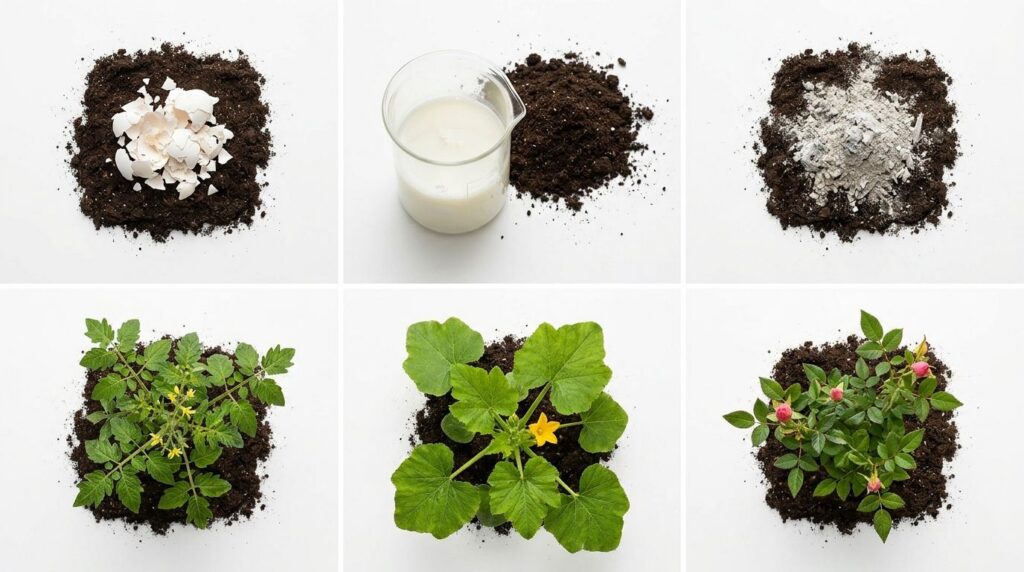
Eggshells are an excellent source of calcium, vital for strong cell walls and preventing issues like blossom end rot in tomatoes, peppers, and squash. Wash and dry eggshells, then crush them into a fine powder. Sprinkle them around calcium-loving plants or add them to your compost. They decompose slowly, providing a steady release of nutrients.
Diluted Milk for Roses and Vegetables
Believe it or not, milk can be a beneficial fertilizer! It contains calcium, sugars, and vitamins that promote healthy growth. Dilute milk with water (about a 1:1 ratio) and use it to water roses, tomatoes, and other vegetables. It can also help prevent powdery mildew on some plants. Ensure it’s well-diluted to avoid attracting pests or creating odors.
Wood Ash: A Potassium and Phosphorus Boost
If you have a fireplace or fire pit, wood ash can be a valuable addition to your garden, but use it sparingly! It’s rich in potassium and phosphorus, which are great for root development and flowering/fruiting. However, wood ash is also highly alkaline and can significantly raise soil pH. Only use it on plants that prefer alkaline conditions, or if your soil is overly acidic. Always do a soil test before applying wood ash.
General Tips for Using Natural Fertilizers
- Test Your Soil: Before adding anything, understand your soil’s current nutrient levels and pH. This helps you apply the right amendments.
- Moderation is Key: While natural, too much of a good thing can still be detrimental. Start with smaller amounts and observe your plants’ reactions.
- Composting is Your Friend: A good compost pile is the ultimate natural fertilizer, providing a balanced mix of nutrients and improving soil structure.
- Observe Your Plants: Your plants will tell you what they need. Yellowing leaves, stunted growth, or poor flowering can indicate nutrient deficiencies.
Transforming your garden into a chemical-free haven is incredibly rewarding. By utilizing these simple, homemade fertilizers, you’ll not only save money but also contribute to a healthier environment and a more vibrant, productive garden. Happy growing!