Choosing the right protein is a powerful step on your fitness journey! Whether your aim is to build muscle or shed unwanted fat, understanding how different protein sources can support your goals can make a significant difference. From lean meats to plant-based powerhouses, each option brings unique benefits to your plate.
This guide will help you navigate the world of protein, offering insights into which choices best fit your active lifestyle. You’ll learn how to select foods that help you build strength, boost satiety, and maintain a healthy weight. Let’s explore how smart protein choices can lead to big results!
The Power of Protein: Why It Matters for Your Goals
Protein is a vital macronutrient that plays many roles in your body. It’s essential for building and repairing tissues, making enzymes and hormones, and supporting immune function. When it comes to fitness, protein is particularly important for:
- Muscle Gain: Protein provides the amino acids needed to repair muscle fibers after exercise and build new muscle tissue. Adequate protein intake is crucial for hypertrophy (muscle growth).
- Fat Loss: Protein helps increase satiety, meaning you feel fuller for longer, which can reduce overall calorie intake. It also helps preserve lean muscle mass during a calorie deficit, which is important for maintaining a healthy metabolism.
Understanding these roles helps you make informed decisions about your protein sources.
Protein for Muscle Gain: Building Stronger
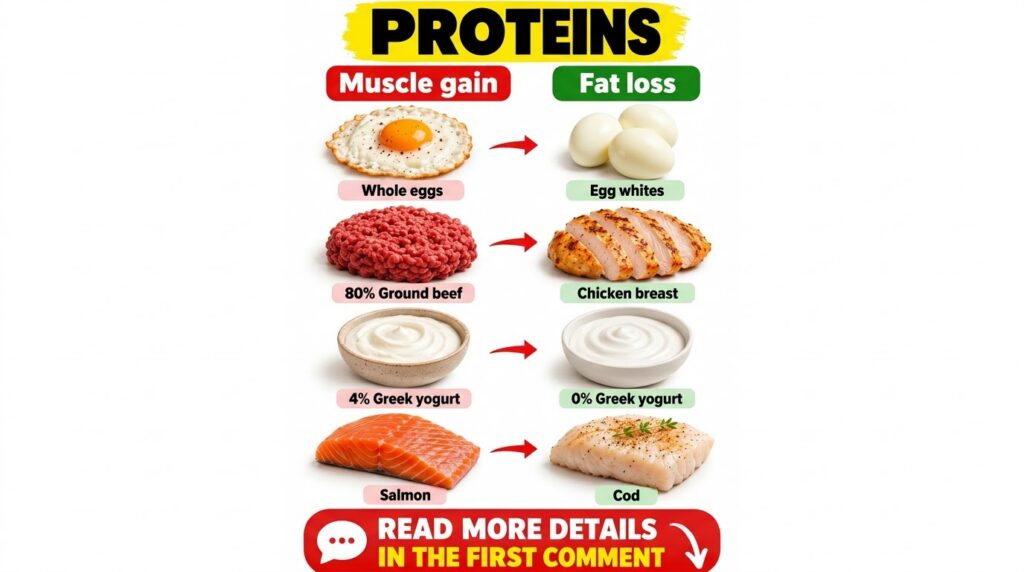
When your goal is muscle gain, you generally want protein sources that are nutrient-dense and provide a good amount of amino acids. These foods can support muscle repair and growth, especially when combined with resistance training.
Key Characteristics:
- High Biological Value: Proteins with all essential amino acids.
- Calorie-Supportive: Can fit into a higher calorie diet often needed for muscle gain.
Excellent Choices Include:
- Chicken Breast: A classic for a reason, it’s packed with lean protein.
- Salmon: Offers protein plus healthy omega-3 fatty acids, which can support overall health and recovery.
- Lean Ground Beef: Provides protein, iron, and B vitamins essential for energy and muscle function.
- Eggs: A complete protein source, versatile and affordable, great for post-workout.
- Greek Yogurt: High in protein and convenient, it also contains probiotics for gut health.
Lean Protein Choices for Fat Loss: Fueling Your Journey
For fat loss, the focus shifts slightly towards lean protein sources that are lower in calories and fat, while still providing high satiety. These options help you stay full and satisfied without overconsuming calories.
Key Characteristics:
- High Satiety: Helps control hunger.
- Lower Calorie/Fat: Supports a calorie deficit.
- Nutrient-Dense: Provides essential vitamins and minerals without excess calories.
Excellent Choices Include:
- Chicken Breast: Again, an excellent choice due to its high protein and low-fat content.
- Cod and Other White Fish: Very lean and low in calories, offering a significant protein boost.
- Greek Yogurt (Plain, Non-Fat): High protein, low fat, and very filling.
- Lentils: A fantastic plant-based option, rich in protein and fiber, promoting satiety.
- Chickpeas: Another versatile legume, providing protein, fiber, and complex carbohydrates.
Comparing Smart Protein Choices: A Quick Guide
Here’s a comparison of common protein sources to help you choose based on your specific goals.
| Food | Calories (per 100g) | Protein (g) | Carbs (g) | Fat (g) | Fiber (g) | Main Nutrients | Best For |
|---|---|---|---|---|---|---|---|
| Chicken Breast (skinless, cooked) | ~165 | ~31 | ~0 | ~3.6 | ~0 | Niacin, B6, Selenium | Muscle Gain, Fat Loss |
| Salmon (cooked) | ~208 | ~20 | ~0 | ~13 | ~0 | Omega-3s, B12, Vit D | Muscle Gain, Heart Health |
| Ground Beef (90% lean, cooked) | ~250 | ~26 | ~0 | ~15 | ~0 | Iron, B12, Zinc | Muscle Gain, Energy |
| Cod (cooked) | ~82 | ~18 | ~0 | ~0.7 | ~0 | B12, Niacin, Selenium | Fat Loss, Low Calorie |
| Eggs (1 large, ~50g) | ~78 | ~6 | ~0.6 | ~5 | ~0 | Choline, B12, Vit D | Muscle Gain, Satiety |
| Greek Yogurt (plain, non-fat, ~100g) | ~59 | ~10 | ~3.6 | ~0.4 | ~0 | Calcium, Probiotics | Fat Loss, Gut Health |
| Lentils (cooked, ~100g) | ~116 | ~9 | ~20 | ~0.4 | ~8 | Folate, Iron, Fiber | Fat Loss, Digestive Health |
| Chickpeas (cooked, ~100g) | ~164 | ~8.9 | ~27 | ~2.6 | ~7.6 | Folate, Manganese, Fiber | Fat Loss, Plant-Based |
Note: Nutritional values are approximate and can vary based on preparation method and specific product.
Practical Tips for Incorporating Protein
Making smart protein choices is easier than you think!
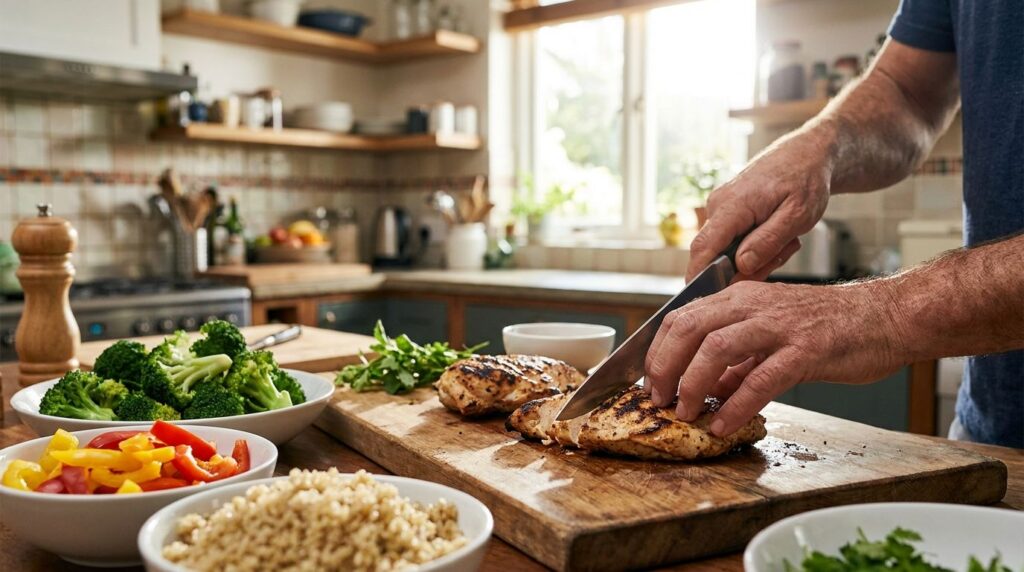
- Prioritize Protein at Every Meal: Aim to include a protein source in your breakfast, lunch, and dinner. This helps with satiety and consistent amino acid supply.
- Snack Smart: Opt for protein-rich snacks like Greek yogurt, a hard-boiled egg, or a handful of almonds to keep hunger at bay between meals.
- Mix and Match: Don’t stick to just one type of protein. Variety ensures you get a broader spectrum of nutrients.
- Consider Plant-Based: Even if you eat meat, incorporating plant-based proteins like lentils and chickpeas adds fiber and different nutrients to your diet.
- Portion Control: While protein is beneficial, remember that overall calorie intake still matters for both muscle gain and fat loss.
- Hydrate: Drink plenty of water, especially when increasing protein intake.
FAQs About Protein Choices
Q1: How much protein do I need for muscle gain?
A1: For muscle gain, many active individuals aim for 1.6 to 2.2 grams of protein per kilogram of body weight per day, distributed throughout the day.
Q2: Can I get enough protein from plant-based sources for muscle gain?
A2: Yes, it is entirely possible to meet your protein needs and build muscle on a plant-based diet. Focus on a variety of sources like legumes, tofu, tempeh, quinoa, nuts, and seeds to ensure you get all essential amino acids.
Q3: Does eating more protein automatically lead to fat loss?
A3: Eating more protein can support fat loss by increasing satiety and helping preserve muscle during a calorie deficit, but it doesn’t automatically cause fat loss. You still need to manage your overall calorie intake to create a deficit.
Q4: Are protein shakes necessary for my fitness goals?
A4: Protein shakes can be a convenient way to boost your protein intake, especially post-workout or when you’re short on time. However, they are not strictly necessary if you can meet your protein needs through whole foods.
Q5: Is all protein created equal?
A5: Not exactly. Different protein sources have varying amino acid profiles and rates of digestion. ‘Complete’ proteins (like animal sources, soy, quinoa) contain all nine essential amino acids, while ‘incomplete’ proteins (most plant sources) may lack one or more. Combining different plant proteins throughout the day can create a complete amino acid profile.
Q6: Can too much protein be harmful?
A6: For most healthy individuals, a high-protein diet is generally safe. However, extremely high intakes over a long period could potentially strain the kidneys in individuals with pre-existing kidney conditions. Always consult a healthcare professional for personalized advice.
Conclusion
Making smart protein choices is a cornerstone of achieving your fitness goals, whether that’s building muscle, losing fat, or simply maintaining a healthy lifestyle. By understanding the unique benefits of different protein sources and incorporating them mindfully into your diet, you can fuel your body effectively and feel your best. Remember to prioritize variety, consistency, and listen to your body’s needs.
This content is for educational purposes only and should not be considered medical advice. Consult a qualified healthcare professional for personalized dietary recommendations.
Explore More Healthy Food Content:
- High Protein Breakfast Ideas
- Healthy Smoothie Recipes
- Best Foods for Gut Health
- Meal Prep Tips for Busy Weeks