Life is a complex tapestry of moments, some filled with joy and laughter, others with challenges and unspoken struggles. For the youngest among us, these struggles can often feel too heavy for words, manifesting as a silent plea that echoes louder than any spoken cry. In the world of short dramas and real life, understanding these subtle signals of vulnerability is crucial.
The Weight of Unspoken Words
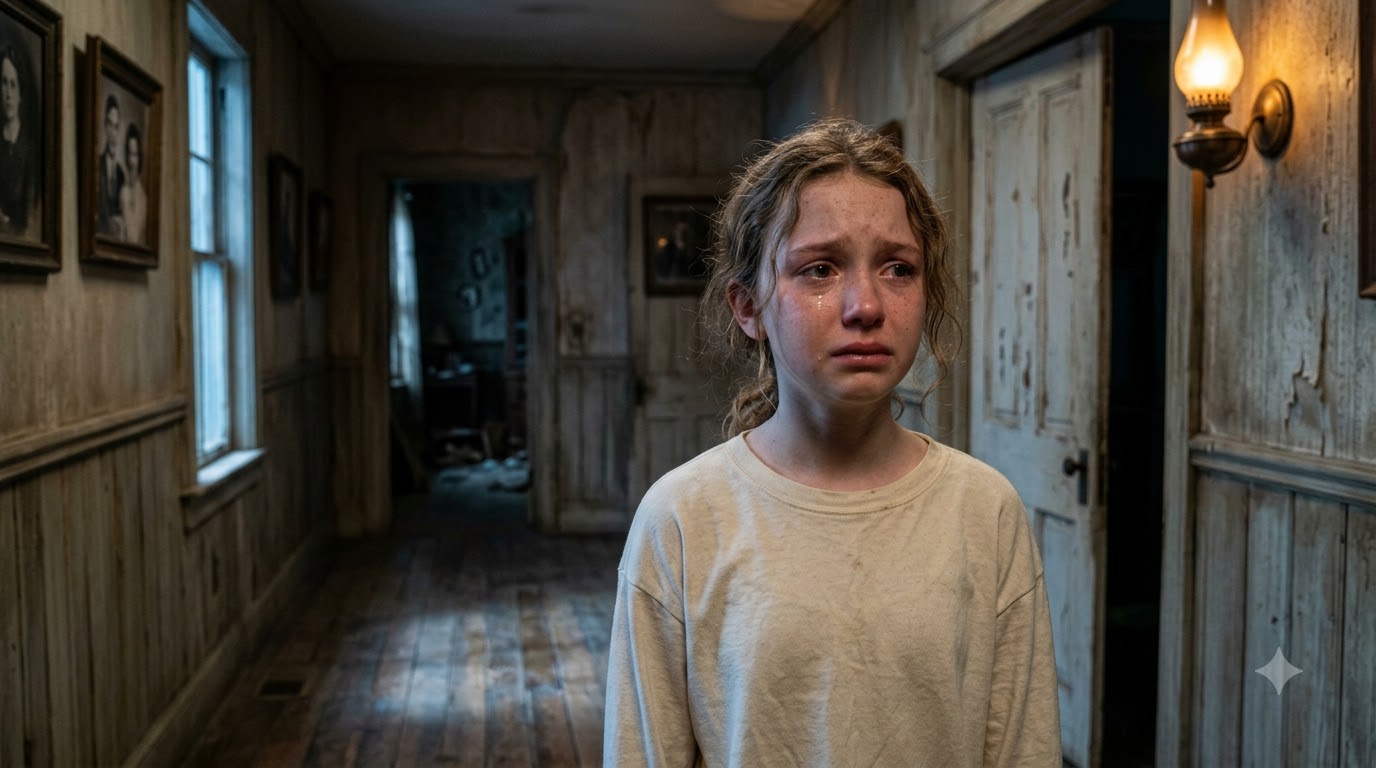
Imagine being a child, grappling with emotions or situations that you can’t quite articulate. Perhaps it’s a fear, a confusion, a sadness, or even a sense of injustice. Children often lack the vocabulary or the emotional maturity to express these deep feelings verbally. Instead, their bodies and behaviors become their voice. A withdrawal, a sudden outburst, a clinging dependency, or, as captured in powerful imagery, a flood of tears that conveys a depth of sorrow beyond words.
These silent pleas are a call for connection, understanding, and comfort. They highlight the universal human need to be seen, heard, and validated, even when words fail.
Reading Between the Lines (and Tears)
In the eyes of a child expressing a silent plea, one might see a multitude of emotions: confusion, fear, sadness, loneliness, or even a glimmer of hope for intervention. The intensity of their expression, the reddened face, the disheveled hair – all these details paint a vivid picture of an inner turmoil. It’s a poignant reminder that not all pain is loud, and sometimes the quietest struggles are the most profound.
As adults, parents, caregivers, or simply empathetic observers, our role is to learn to ‘read between the lines.’ It’s about looking beyond the surface behavior and trying to understand the underlying emotion or need. What might be causing such profound distress? Is it a misunderstanding, a feeling of helplessness, or a deep-seated fear?
The Power of Empathy and Connection
Responding to a silent plea requires more than just acknowledging the outward expression; it demands genuine empathy. Empathy is the ability to understand and share the feelings of another. When a child is silently struggling, offering a safe space, a gentle touch, or simply being present without judgment can be incredibly powerful. Sometimes, just knowing that someone is there, ready to listen when they are ready to speak, can be a immense comfort.
Creating an environment where children feel safe to express themselves, even through non-verbal cues, is vital for their emotional well-being. It teaches them that their feelings matter and that they are not alone in their journey.
Short Dramas Reflecting Real Life
The beauty of short dramas often lies in their ability to capture such intense, relatable human experiences in concise narratives. They serve as powerful mirrors, reflecting the silent pleas we might encounter in our own lives or within our communities. By watching and discussing these stories, we can cultivate a deeper sense of empathy and awareness for the complex emotional landscapes that surround us, especially those of our youngest members.
What do you see in her eyes? Perhaps it’s a reflection of a moment you’ve experienced, or a reminder of the importance of looking closer, listening more intently, and responding with kindness to the silent pleas all around us. Understanding these unspoken stories allows us to build stronger, more compassionate connections with each other.