A strong core is much more than just a defined midsection; it’s the foundation of your body’s strength, stability, and overall movement. Your core muscles, which include your abdominals, obliques, and lower back, play a crucial role in almost every physical activity you perform, from lifting groceries to maintaining good posture. Building a strong core can help prevent injuries, improve balance, and enhance athletic performance.
If you’re looking to strengthen and sculpt your core, incorporating essential ab exercises into your routine a few times a week is key. Remember, proper form is paramount to maximize effectiveness and avoid strain. Let’s dive into some fundamental exercises that can help you achieve a robust and stable core.
Understanding Your Core
Before we explore the exercises, it’s helpful to understand what your ‘core’ truly encompasses. It’s not just your six-pack muscles (rectus abdominis). Your core also includes the deeper transverse abdominis, the internal and external obliques, and the muscles of your lower back, hips, and pelvic floor. Working these muscles together creates a strong, supportive cylinder around your spine.
Essential Core-Sculpting Exercises
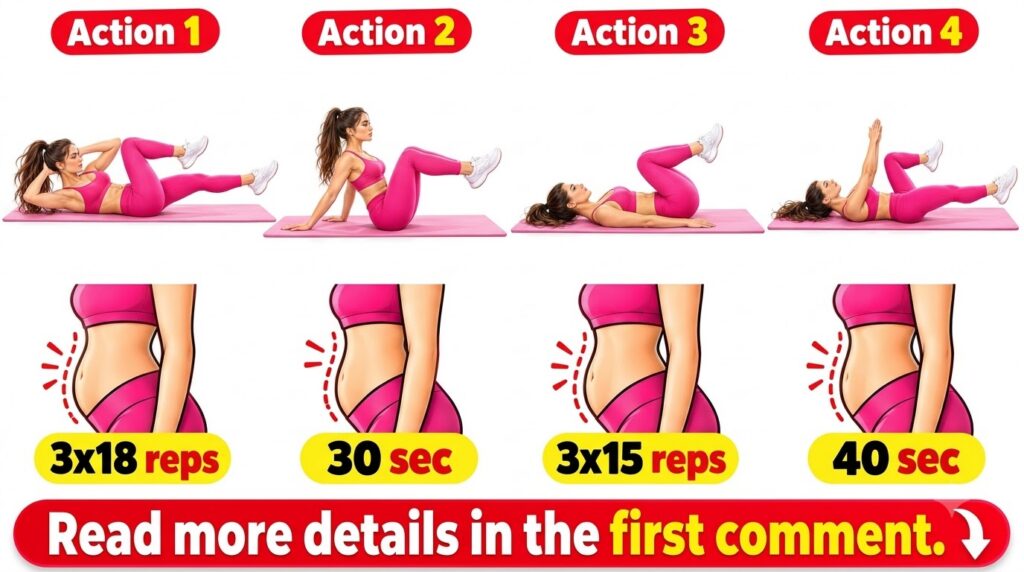
1. Crunches
- How to do it: Lie on your back with your knees bent and feet flat on the floor, hip-width apart. Place your hands lightly behind your head or across your chest. Engage your core, and slowly lift your head and shoulders off the mat, bringing your rib cage towards your pelvis. Exhale as you lift, and inhale as you slowly lower back down.
- Benefits: Crunches primarily target the rectus abdominis, helping to build the upper abdominal strength and definition.
2. Leg Raises
- How to do it: Lie flat on your back, pressing your lower back into the mat. You can place your hands under your glutes for lower back support. Keeping your legs straight and together, slowly lift them towards the ceiling until your hips are at a 90-degree angle or as high as comfortable without lifting your lower back. Slowly lower your legs back down towards the floor without letting them touch, maintaining tension in your core.
- Benefits: This exercise effectively targets the lower abdominal muscles and also works the hip flexors, contributing to overall core strength.
3. Plank
- How to do it: Start in a push-up position, then lower down onto your forearms. Your body should form a straight line from your head to your heels. Engage your core, squeeze your glutes, and avoid letting your hips sag or pike up. Hold this position for as long as you can maintain proper form.
- Benefits: The plank is an excellent full-body core exercise, engaging the entire core musculature, including the transverse abdominis, obliques, and lower back, improving stability and endurance.
4. Russian Twists
- How to do it: Sit on the floor with your knees bent and feet flat. Lean back slightly, engaging your core, until you feel your abs working. You can lift your feet off the floor for a greater challenge, balancing on your sit bones. Clasp your hands together or hold a light weight. Twist your torso from side to side, tapping your hands or the weight to the floor beside your hips on each side.
- Benefits: Russian twists are fantastic for targeting the oblique muscles, which are responsible for rotational movements and lateral flexion of the torso.
The Importance of Proper Form
While performing these exercises, always prioritize proper form over speed or the number of repetitions. Incorrect form can not only reduce the effectiveness of the exercise but also lead to injury, especially in the back. If you’re new to these movements, start slowly and consider performing them in front of a mirror or even recording yourself to check your technique.
Integrating Core Work into Your Routine
Aim to incorporate core exercises into your fitness routine 2-3 times per week, allowing a day of rest in between sessions for muscle recovery. You can do them as part of a longer workout or as a dedicated 10-15 minute session. Listen to your body, and gradually increase the number of repetitions, sets, or hold times as your strength improves.
Disclaimer
Always consult with a healthcare professional or certified fitness instructor before starting any new exercise program, especially if you have any pre-existing health conditions or concerns. This information is for educational purposes only and is not a substitute for professional medical advice or treatment.