Are you tired of stubborn grime, greasy build-up, and unpleasant odors lingering on your kitchen and bathroom surfaces? Instead of reaching for harsh chemicals, consider a simple, natural solution you can whip up at home. This DIY coffee ground scrub combines the abrasive power of repurposed coffee grounds with the cleaning strength of dish soap to create an effective and eco-friendly cleaning paste. It’s a fantastic way to give tough spots a deep clean while utilizing something you might otherwise throw away.
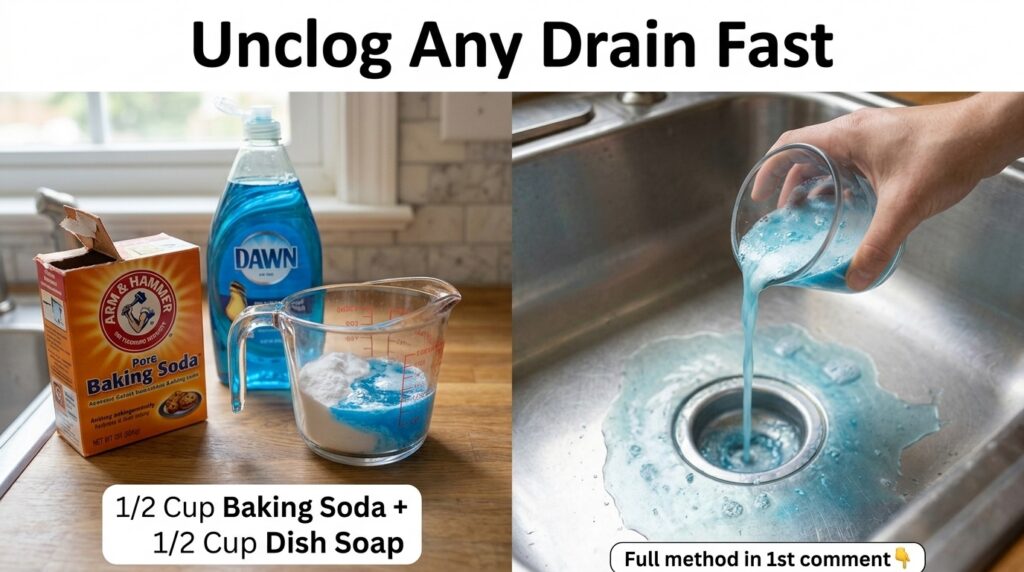
What You’ll Need
Gather these simple items to make your natural scrub:
- 2-3 tablespoons used coffee grounds (slightly damp or dry)
- 1/4 to 1/2 cup liquid dish soap (any light blue, viscous kind works well)
- Small mixing bowl or cup
- Spoon or stirring stick
Why This DIY Can Be Useful
This simple combination offers a powerful cleaning punch:
- Coffee Grounds: These provide a natural abrasive texture, perfect for scrubbing away caked-on food, grease, and grime without being overly harsh. They also possess mild deodorizing properties, helping to neutralize unpleasant smells. Plus, it’s a great way to repurpose your morning coffee waste!
- Liquid Dish Soap: Known for its ability to cut through grease and oil, dish soap serves as the primary cleaning agent in this scrub. It helps lift dirt and grime, and its viscous nature allows it to bind with the coffee grounds to form a manageable paste.
How to Make It
Follow these easy steps to prepare your cleaning scrub:
- Add the used coffee grounds to your small mixing bowl or cup.
- Gradually pour in the liquid dish soap, starting with about 1/4 cup.
- Using a spoon or stirring stick, mix the ingredients thoroughly. Continue to add more dish soap, a little at a time, until you achieve a thick, scrub-like paste consistency. It should be thick enough to cling to surfaces but still spreadable.
How to Use It
Once your scrub is ready, put it to work on those tough messes:
- Where to Use It: This scrub is excellent for stainless steel sinks, ceramic countertops (after patch testing), stubborn stains on pots and pans, and even grout lines. It can also be effective on tough grease spots on oven tops or inside microwaves.
- How to Apply It: Apply a small amount of the scrub directly onto the soiled area. You don’t need a lot – a little goes a long way.
- Scrubbing: Use a damp sponge, a soft-bristled brush, or even your fingers (wearing gloves if preferred) to gently scrub the area in circular motions. For tougher stains, allow the scrub to sit for 5-10 minutes before scrubbing.
- Rinsing and Finishing: After scrubbing, thoroughly rinse the area with warm water to remove all traces of the scrub. Then, wipe the surface clean and dry with a fresh cloth.
What to Expect
This DIY coffee ground scrub offers a realistic solution for a variety of cleaning challenges. You can expect to see improved cleanliness on surfaces, with tough grime and grease effectively loosened and removed. Surfaces should feel cleaner and may even have a fresh scent from the coffee grounds. While it’s a powerful natural cleaner, don’t expect it to erase extremely deep-set stains or damage. It’s a great alternative to harsh chemical cleaners for everyday tough spots.
Helpful Tips
- Consistency is Key: Adjust the amount of dish soap to achieve your desired scrub consistency. More coffee grounds will make it thicker and more abrasive, while more soap will make it a looser paste.
- Store Smart: If you have leftover scrub, store it in an airtight container in a cool, dry place. Due to the dampness of used coffee grounds, it’s best to use it within one to two weeks to prevent mold growth.
- Repurpose Beyond Cleaning: Remember that coffee grounds can also be used as a natural fertilizer for some plants, offering another way to reduce waste!
Important Notes / Safety
- Patch Test Always: Before applying the scrub to a large or noticeable area, always perform a patch test on an inconspicuous spot. This is especially important for delicate surfaces like natural stone, laminate, or painted finishes, to ensure it doesn’t scratch or discolor them.
- Avoid Delicate Surfaces: Do not use this scrub on highly polished surfaces, soft plastics, or anything that scratches easily, as the coffee grounds are abrasive.
- Thorough Rinsing: Always rinse thoroughly to ensure no coffee ground residue is left behind, which could potentially stain light-colored grout or leave a gritty film.