Most people only pay attention to the sweet, juicy fruit of the grape. They focus on the pulp and skin, savoring the flavor while often discarding a tiny, unassuming part: the seeds. What many overlook is that these small, often-spit-out kernels hold a remarkable concentration of beneficial compounds, making them a true hidden gem in the world of natural wellness. If you’ve been ignoring grape seeds, you might be missing out on a surprisingly potent natural remedy.
What Are Grape Seeds?
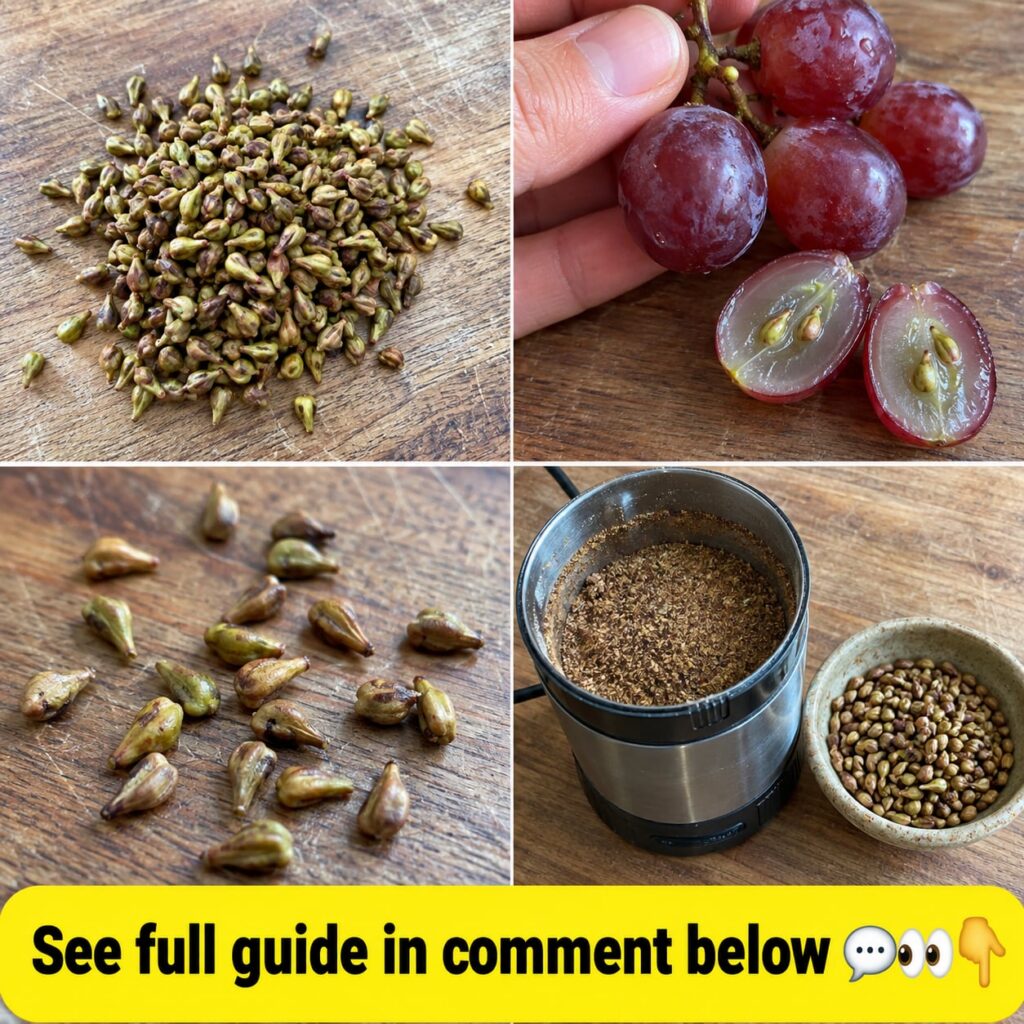
Grape seeds are the small, hard kernels found within grapes. While they might seem insignificant, they are packed with powerful antioxidants, particularly oligomeric proanthocyanidin complexes (OPCs). These compounds are responsible for many of the celebrated benefits associated with grape seeds, from supporting skin health to bolstering overall wellness. Unlike the fruit, which offers sugars and some vitamins, the seeds provide a concentrated dose of these unique plant compounds.
While grape seed extract (GSE) is widely available as a supplement, you can also harness the power of whole grape seeds through simple DIY preparations. This article will focus on making and using a basic grape seed powder or infusion from fresh seeds, offering a practical approach to incorporating this overlooked ingredient into your routine.
Ingredients for Your Grape Seed Remedy
For a basic DIY grape seed remedy, you’ll need just one core ingredient:
- Fresh Grapes with Seeds: Choose varieties known for having seeds, like Concord, Muscadine, or many wine grape varieties. Organic grapes are preferred to avoid pesticide residues.
Approximate Measurements
The quantity of seeds you collect will depend on your grape consumption. For a usable batch of dried grape seed powder, aim to collect at least 1/2 to 1 cup of fresh seeds. This might require processing several pounds of grapes over time.
Quick Tip: Fresh vs. Dried Seeds
Fresh grape seeds are soft and can be chewed, but their benefits are amplified when dried and powdered. Drying concentrates the beneficial compounds and makes them easier to digest and store.
Formula / Recipe: Grape Seed Powder
Making your own grape seed powder allows you to capture the full spectrum of compounds directly from the source. This powder can then be used in various applications.
Step-by-Step Method
- Collect Seeds: As you eat grapes, carefully separate the seeds from the pulp. Rinse them thoroughly under cold water to remove any remaining fruit flesh or stickiness.
- Air Dry: Spread the clean grape seeds in a single layer on a clean towel or baking sheet. Allow them to air dry completely for several days. This is crucial to prevent mold and ensure a crisp texture for grinding. Turn them occasionally.
- Oven Dry (Optional but Recommended): For a more thorough drying, especially in humid climates, place the air-dried seeds on a baking sheet and bake in an oven at the lowest temperature (around 150-200°F / 65-95°C) for 1-2 hours. Keep a close eye on them to prevent burning. They should be brittle and easily crackable when fully dry.
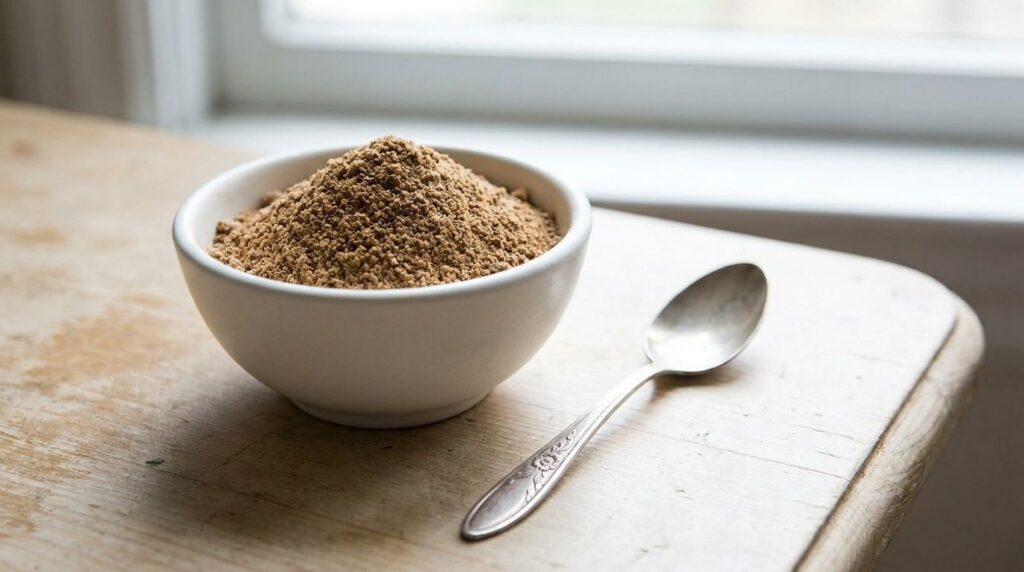
- Grind into Powder: Once thoroughly dried, transfer the seeds to a high-speed blender, coffee grinder, or spice grinder. Process them until they form a fine powder. This may take several minutes, with breaks to prevent overheating the grinder. The finer the powder, the easier it will be to incorporate into foods and drinks.
- Sift (Optional): If you desire a very fine powder, you can sift it through a fine-mesh sieve to remove any larger, unground pieces. Regrind the larger pieces until they are fine.
How to Use Grape Seed Powder
Once you have your homemade grape seed powder, you can incorporate it into your daily routine in several ways:
- Oral Consumption: Add 1/2 to 1 teaspoon of grape seed powder to smoothies, yogurt, oatmeal, or sprinkle it over salads. The taste is mild, slightly bitter, and earthy, which blends well with many foods.
- Infusion/Tea: Steep 1 teaspoon of powder in 8 ounces of hot water for 5-10 minutes. Strain if desired, though a fine powder will dissolve.
- Topical Application (Face Mask): Mix a small amount of powder with water, honey, or aloe vera gel to form a paste. Apply as a face mask for 10-15 minutes, then rinse. This can help deliver antioxidants directly to the skin.
How Often to Use
For oral consumption, starting with 1/2 teaspoon daily and gradually increasing to 1 teaspoon once or twice a day is a good approach. For topical masks, 1-2 times per week is generally sufficient.
Surprisingly…
While grape seed extract supplements often have standardized OPC content, homemade powder offers a wider array of phytochemicals in their natural ratios, mimicking how nature intended them to be consumed.
How to Choose Grapes for Seeds
When selecting grapes for their seeds, look for varieties known to have them, such as Concord or Muscadine. While eating seedless grapes is convenient, they won’t provide the raw material you need. Prioritize organic grapes to minimize exposure to pesticides, as the seeds may concentrate residues. Farmer’s markets are often a great source for fresh, seasonal, seeded varieties.
Storage
Store your homemade grape seed powder in an airtight container in a cool, dark, dry place. A pantry cupboard or a dark glass jar is ideal. Properly stored, it can last for 6-12 months. If you notice any changes in smell, color, or texture, it’s best to discard it.
Practical Tips for Maximizing Benefits
- Combine with Vitamin C: The benefits of grape seed compounds, particularly OPCs, are often enhanced when combined with Vitamin C. Consider adding your grape seed powder to a smoothie with berries or citrus.
- Consistency is Key: Like many natural remedies, consistent use over time yields the best results. Don’t expect instant changes after just a few days.
- Use Freshly Ground: While storing powder is convenient, grinding smaller batches more frequently can help preserve the potency of the delicate compounds.
Common Mistakes to Avoid
- Not Drying Thoroughly: Incomplete drying will lead to mold growth and ruin your batch of seeds. Ensure they are completely brittle before grinding.
- Using Sprayed Grapes: Grapes are often heavily sprayed with pesticides. Using non-organic or conventionally grown grapes for seed collection can mean concentrating these undesirable chemicals.
- Boiling Seeds: High heat can degrade the delicate antioxidant compounds. Drying at low temperatures or air drying is preferred over boiling.
- Expecting Immediate Results: Natural remedies work gradually. Give your body time to respond to the consistent intake of grape seed compounds.
Cautions / Who Should Avoid It
While generally safe for most, there are some considerations for grape seed consumption:
- Blood Thinners: Grape seed compounds, particularly OPCs, can have mild blood-thinning effects. If you are on blood-thinning medications (e.g., Warfarin, Aspirin), consult your doctor before consuming grape seed powder or extract.
- Allergies: Individuals with grape allergies should avoid grape seeds.
- Surgery: Due to potential blood-thinning effects, discontinue use at least two weeks before any scheduled surgery.
- Pregnancy and Breastfeeding: There is insufficient research on the safety of grape seed consumption during pregnancy and breastfeeding. It’s best to err on the side of caution and avoid use.
Quick Summary: Your Grape Seed Guide
Here’s a quick glance at key aspects of incorporating grape seeds into your wellness routine:
| Aspect | Guidance |
|---|---|
| Best Preparation | Dried and powdered for maximum benefit and versatility. |
| Best Use-Case | Oral (smoothies, yogurt) for systemic benefits; topical (masks) for skin. |
| Storage | Airtight container, cool, dark, dry place (up to 6-12 months). |
| When to Use | Daily for consistent antioxidant support. |
| What to Avoid | Incomplete drying, non-organic grapes, high heat processing, expecting quick fixes. |
FAQ
Got questions about harnessing the power of grape seeds? Here are some common queries:
- Can I use seeds from any grape variety?
Yes, as long as the grapes have seeds. Focus on organic seeded varieties for best results. - How long does homemade grape seed powder last?
Stored properly in an airtight container in a cool, dark place, it can last 6-12 months. - Can I just chew the fresh seeds?
Yes, you can chew fresh seeds, but drying and grinding them makes the beneficial compounds more accessible and digestible. - Is grape seed oil the same as grape seed powder?
No, grape seed oil is pressed from the seeds and is rich in linoleic acid (an omega-6 fatty acid) and Vitamin E. While beneficial, it does not contain the same high concentration of OPCs found in the whole seed or its extract/powder. - When is the best time to consume grape seed powder?
Anytime works, but some prefer it in the morning with breakfast or a smoothie to kickstart their day with antioxidants. - Can children use grape seed remedies?
Due to limited research and potential interactions, it’s best to consult a pediatrician before giving grape seed products to children. - What if my homemade powder isn’t very fine?
A coarser powder is still beneficial. You might notice a slightly grittier texture when consumed, but the compounds are still present. You can try grinding it longer or sifting to achieve a finer consistency.
You may also like: DIY Antioxidant Face Masks for Glowing Skin
Embrace the Hidden Power
It’s easy to overlook the small, unassuming parts of nature, especially when the fruit itself is so delicious and popular. However, the humble grape seed offers a world of beneficial compounds, particularly its rich concentration of OPCs. By taking the time to prepare your own grape seed powder, you gain access to a natural remedy that can support your body with potent antioxidants. So, the next time you enjoy a seeded grape, remember the power hidden within, and consider giving these tiny kernels a second chance in your wellness journey.
Read more: The Surprising Benefits of Natural Skincare Ingredients
Continue with: Understanding Antioxidants: Your Body’s Best Defense

