Iron is an indispensable mineral, crucial for carrying oxygen throughout your body and maintaining energy levels. Many plant-based foods offer this vital nutrient, but have you ever wondered how common pantry staples like dates and sesame seeds stack up against each other?
While both are celebrated in healthy diets, their iron contributions differ significantly. This article will delve into a surprising nutritional comparison, revealing which of these healthy additions is truly an iron powerhouse and how you can best incorporate it into your daily routine for optimal wellness.
The Iron Imperative: Why This Mineral Matters for Your Health
Iron plays a central role in numerous bodily functions. It’s a key component of hemoglobin, a protein in red blood cells that transports oxygen from your lungs to every cell in your body. Without sufficient iron, your body can’t produce enough healthy red blood cells, leading to a condition called iron-deficiency anemia, which may cause fatigue, weakness, pale skin, and shortness of breath.
Beyond oxygen transport, iron is also vital for:
- Energy Production: It’s involved in metabolic processes that convert food into energy.
- Immune Function: A healthy immune system relies on adequate iron to fight off infections.
- Cognitive Function: Iron supports brain health, impacting concentration and memory.
Dates vs. Sesame Seeds: A Head-to-Head Iron Showdown
When we examine the iron content of dates and sesame seeds, the difference is quite striking. While both offer valuable nutrients, one clearly stands out as a superior source of iron.
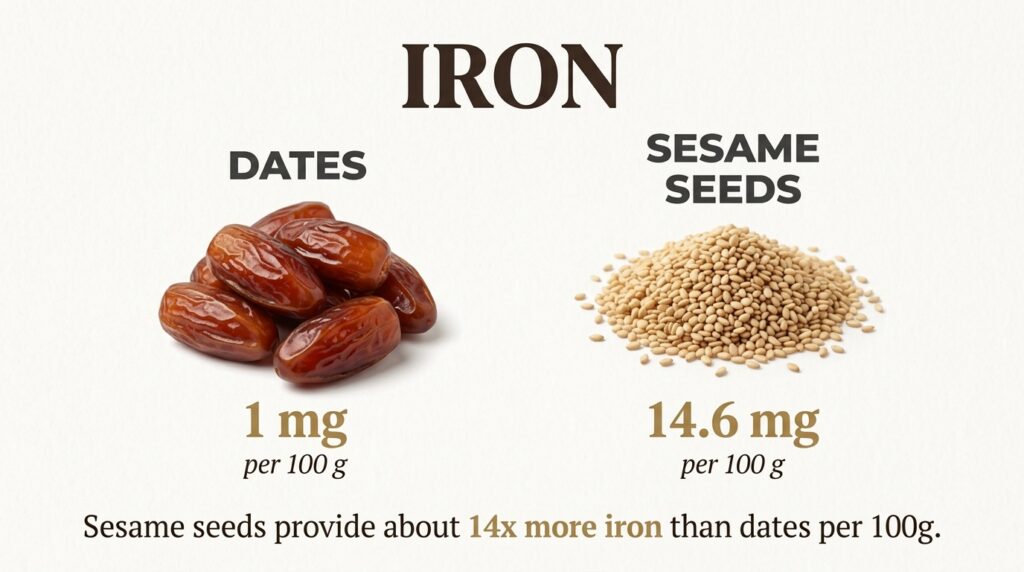
- Dates: Often enjoyed for their natural sweetness and fiber content, dates provide approximately 0.9 milligrams of iron per 100 grams. They are a wonderful snack for energy and digestive health, but they are not a primary source if you are specifically looking to boost your iron intake significantly.
- Sesame Seeds: These tiny seeds are nutritional powerhouses. A 100-gram serving of whole, dried sesame seeds can boast an impressive 14.6 milligrams of iron. This means that, gram for gram, sesame seeds provide about 16 times more iron than dates, making them an incredible addition to your diet for this essential mineral.
The infographic comparison highlights this dramatic difference, underscoring why those looking to increase their iron intake, especially from plant-based sources, should seriously consider incorporating more sesame seeds into their meals.
Boosting Your Iron with Sesame Seeds: Simple Strategies
Given their exceptional iron content, incorporating sesame seeds into your diet is a smart move for your health. Their versatile flavor and texture make them easy to add to a variety of dishes. Here are some simple and delicious ways to enjoy them:
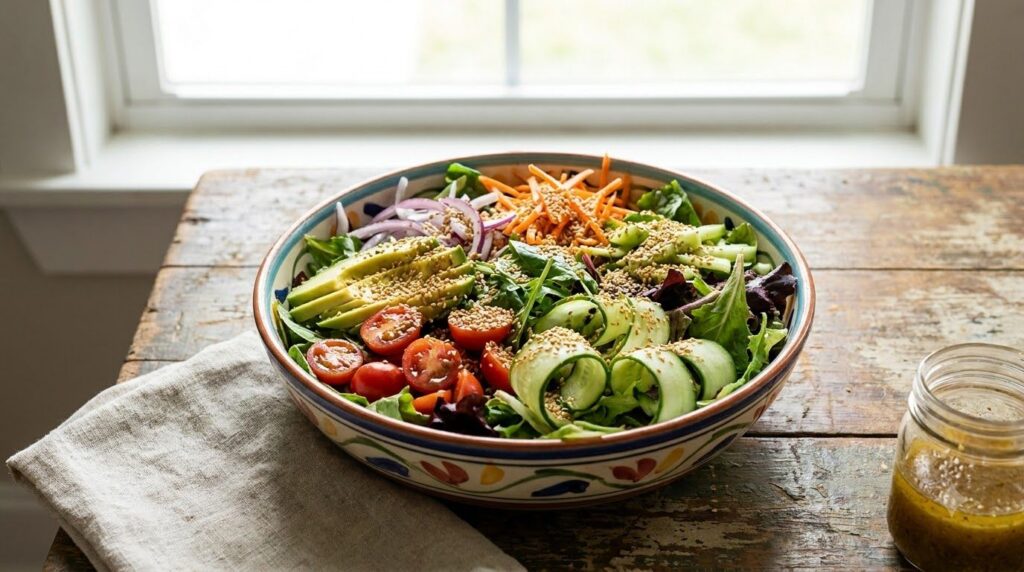
- Toasted Topping: Sprinkle toasted sesame seeds over salads, stir-fries, roasted vegetables, or even avocado toast for an extra crunch and nutritional boost.
- Smoothie Enhancer: Blend a tablespoon or two of raw or toasted sesame seeds into your morning smoothie.
- Yogurt & Oatmeal Mix-in: Add them to your breakfast yogurt, overnight oats, or hot oatmeal for added texture and nutrients.
- Baking & Cooking: Incorporate sesame seeds into homemade bread, crackers, energy bars, or use them as a coating for chicken or fish.
- Tahini Power: Tahini, a paste made from ground sesame seeds, is a fantastic iron-rich ingredient. Use it in hummus, salad dressings, sauces, or as a spread on toast.
Beyond Iron: Other Benefits of Sesame Seeds
While iron is a standout, sesame seeds also offer a wealth of other beneficial nutrients:
- Healthy Fats: Rich in monounsaturated and polyunsaturated fats, which are good for heart health.
- Protein: A good source of plant-based protein, essential for muscle repair and growth.
- Fiber: Supports digestive health and promotes satiety.
- Minerals: Provide calcium, magnesium, zinc, and copper, all crucial for bone health and various bodily functions.
Maximizing Iron Absorption from Plant-Based Foods
To get the most out of the iron in sesame seeds and other plant-based sources, consider these tips:
- Pair with Vitamin C: Consuming iron-rich foods with sources of Vitamin C (like citrus fruits, bell peppers, or tomatoes) can significantly enhance iron absorption. For example, add sesame seeds to a salad with bell peppers and a lemon-tahini dressing.
- Avoid Tannins and Phytates with Meals: Certain compounds found in tea, coffee, and some grains and legumes (phytates) can inhibit iron absorption. While beneficial in themselves, it may be helpful to consume them at different times than your main iron-rich meals if you’re concerned about iron levels. Soaking and sprouting can also reduce phytate content.
FAQs About Iron and Plant-Based Sources
Q: Can sesame seeds alone prevent iron deficiency?
A: While sesame seeds are an excellent source of iron, preventing or treating iron deficiency typically requires a holistic approach, including a varied diet rich in iron, and potentially professional medical advice or supplementation. They are a powerful component of an iron-rich diet, but not a sole solution.
Q: What’s the best way to prepare sesame seeds to maximize nutrients?
A: Lightly toasting sesame seeds can enhance their flavor and make some nutrients more bioavailable. Grinding them, as in tahini, can also help with nutrient absorption, as the hard outer shell can make whole seeds difficult to digest fully.
Q: Are there any downsides to consuming sesame seeds?
A: Sesame seeds are generally safe for most people. However, they are a common allergen for some individuals, so caution is advised if you have sensitivities. Like all seeds, they are calorie-dense, so moderation is key for weight management.
Final Thoughts
When it comes to iron content, the humble sesame seed truly shines, offering a surprising and significant advantage over dates. While dates remain a healthy and delicious choice for fiber and natural sweetness, sesame seeds are the clear winner for those actively seeking to boost their iron intake from plant-based sources. By integrating these tiny, nutrient-dense seeds into your daily meals, you can take a simple yet powerful step towards supporting your energy, immunity, and overall well-being.
Medical Disclaimer: This article is intended for informational purposes only and does not constitute medical advice. Always consult with a qualified healthcare professional before making any decisions about your health or diet, especially if you have a medical condition or are on medication.