Most people ignore the unassuming green spheres that appear on nasturtium plants after their vibrant flowers fade. While the blossoms and leaves certainly grab attention, the small, hidden nasturtium seeds are what many herbalists and culinary enthusiasts actively seek out. Don’t toss those faded nasturtium flowers! The green seeds beneath are a true natural remedy and culinary delight waiting to be discovered, offering a peppery punch and a host of practical uses that often go overlooked.
What Are Nasturtium Seeds?
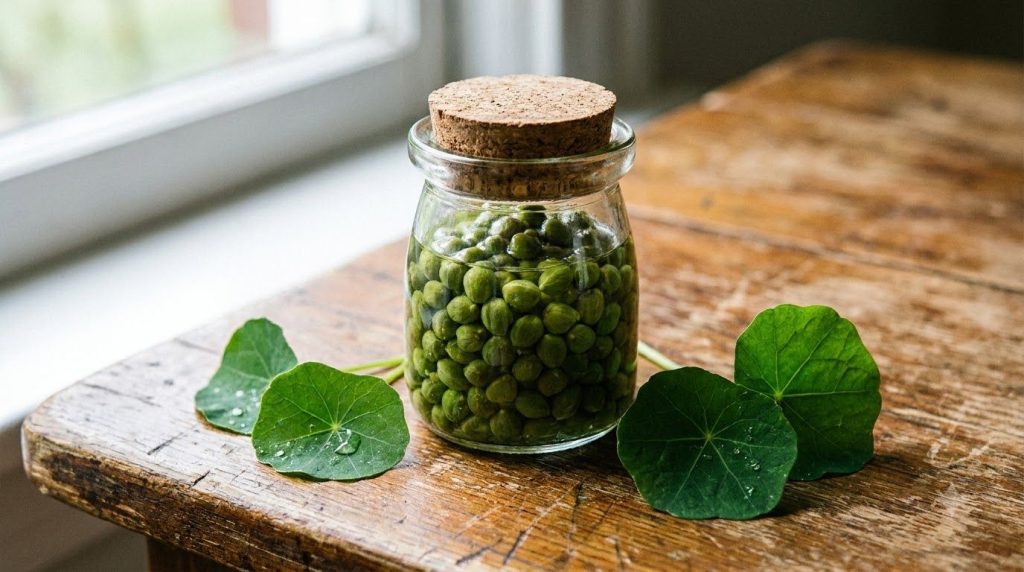
Nasturtiums (Tropaeolum majus) are popular garden annuals known for their beautiful, edible flowers and peppery leaves. What many don’t realize is that once the flowers are gone, they leave behind clusters of small, green, wrinkled seeds. These seeds are the plant’s next generation, but they also offer a distinct, pungent flavor similar to watercress or mustard, making them incredibly versatile in the kitchen. Historically, nasturtium seeds, often called “poor man’s capers,” have been cherished for their unique taste and traditional applications in various cultures.
Harvesting Nasturtium Seeds: Your First Step
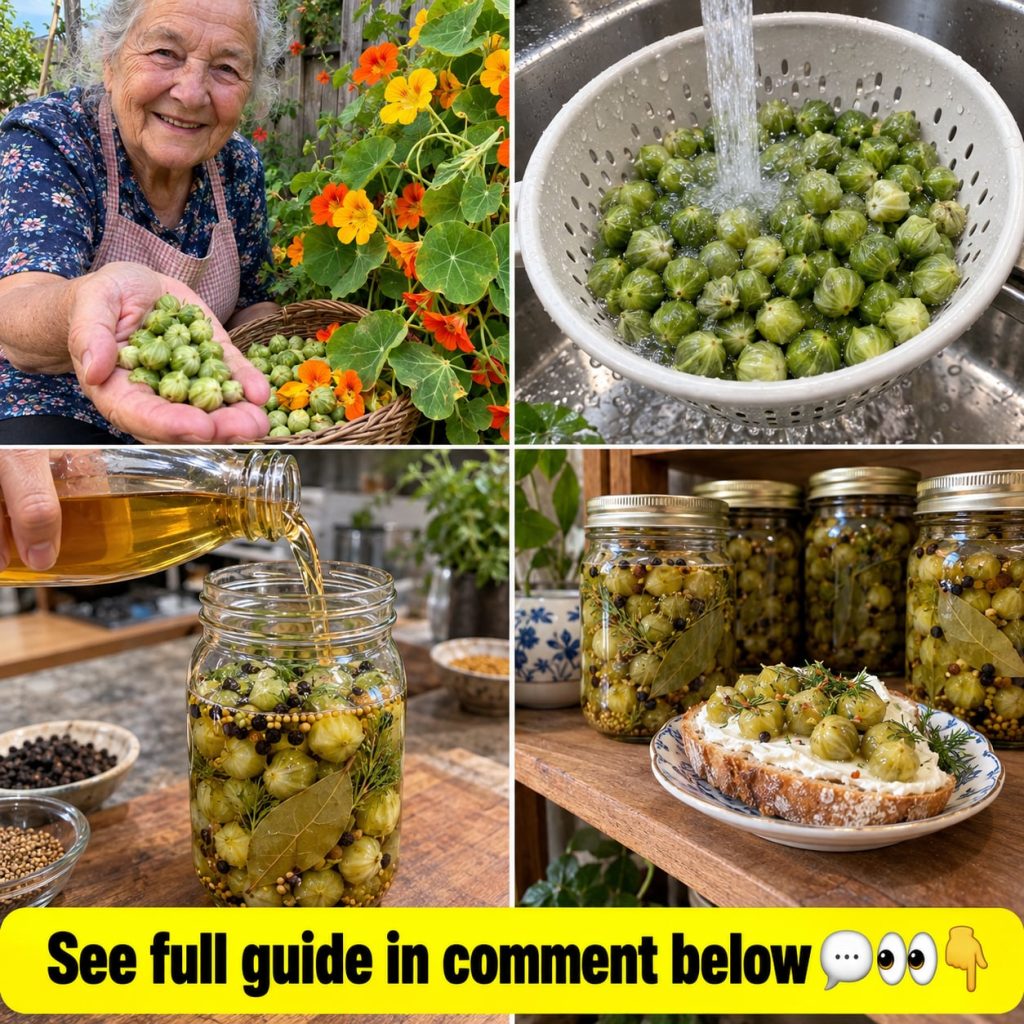
Before you can enjoy nasturtium seeds, you need to collect them at the right time. The best time to harvest nasturtium seeds is when they are still green, plump, and firm, but have detached easily from the plant after the flower has withered. If you wait too long, they will turn yellow or brown and dry out, becoming harder and less ideal for pickling, though still suitable for drying and grinding.
Approximate Measurements for Harvesting
- Yield: A single healthy nasturtium plant can yield hundreds of seeds over a growing season.
- Timing: Collect seeds every few days once flowers begin to fade to ensure you catch them at their prime.
Step-by-Step Harvesting Method
- Identify Ripe Seeds: Look for the three-lobed green seed pods that form behind the spent flowers. They should be firm and still slightly green.
- Gentle Pluck: Gently pull or twist the seed clusters from the plant. If they don’t come off easily, they’re not quite ready.
- Inspect: Discard any seeds that are damaged, soft, or discolored.
- Clean: Rinse the harvested seeds under cool water to remove any dirt or small insects. Pat them dry thoroughly.
Pickled Nasturtium Seeds: The “Poor Man’s Capers”
One of the most popular and delicious ways to use nasturtium seeds is to pickle them. They make an excellent, peppery substitute for capers in various dishes.
Ingredients for Pickled Nasturtium Seeds
- 1 cup fresh nasturtium seeds (about 150-200g)
- 1 cup white vinegar or apple cider vinegar
- 1/2 cup water
- 1 teaspoon sea salt
- 1/2 teaspoon black peppercorns
- 1 bay leaf (optional)
- 1 small sprig of fresh dill or thyme (optional)
Formula / Recipe
- Prepare Seeds: Ensure your nasturtium seeds are clean and dry after harvesting.
- Sterilize Jar: Wash a small glass jar (approx. 8 oz / 250ml) and its lid in hot soapy water, then sterilize by boiling for 10 minutes or running through a hot dishwasher cycle. Let it air dry.
- Pack Seeds: Carefully place the cleaned nasturtium seeds into the sterilized jar. Add peppercorns, bay leaf, and any other optional herbs.
- Prepare Brine: In a small saucepan, combine vinegar, water, and salt. Bring to a gentle boil, stirring until the salt dissolves.
- Pour Brine: Carefully pour the hot brine over the seeds in the jar, ensuring they are completely submerged. Tap the jar gently to release any air bubbles.
- Seal and Cool: Seal the jar tightly with the lid. Let it cool completely to room temperature.
- Refrigerate: Once cool, place the pickled nasturtium seeds in the refrigerator.
How to Use
Use pickled nasturtium seeds anywhere you would use capers: in salads, pasta dishes, with smoked salmon, in vinaigrettes, or as a garnish for fish and chicken. Their tangy, peppery bite adds a gourmet touch to many meals.
How Often to Use
Enjoy as desired! They are a condiment, so a small amount goes a long way to flavor a dish.
Storage
Store in the refrigerator. Properly pickled nasturtium seeds will last for several months, typically 3-6 months, and sometimes longer if kept cold and sealed.
Nasturtium Seed Infusion (Traditional Remedy Use)
Beyond culinary delights, nasturtium seeds have traditional uses as an infusion, particularly for their potential topical benefits.
Ingredients for Nasturtium Seed Infusion
- 1 tablespoon dried nasturtium seeds (crushed lightly)
- 1 cup hot water (just off the boil)
Formula / Recipe
- Crush Seeds: Lightly crush the dried nasturtium seeds using a mortar and pestle or by placing them in a bag and gently rolling with a rolling pin. This helps release their compounds.
- Steep: Place the crushed seeds in a heatproof cup or jar. Pour hot water over them.
- Infuse: Cover and let steep for 15-20 minutes.
- Strain: Strain the liquid to remove the seed material.
How to Use
This infusion can be used topically as a hair rinse for scalp health or as a skin tonic. Some traditions also suggest internal use as a tea, though this should be approached with caution due to the seeds’ potency.
How Often to Use
For topical use, 2-3 times a week as a rinse or tonic. For internal use, consult with a qualified herbalist due to varying individual sensitivities and potential interactions.
Storage
The infusion is best used fresh. If you have leftovers, store them in the refrigerator for no more than 24 hours.
Quick Tip: Drying Nasturtium Seeds
To dry nasturtium seeds for later use in infusions or grinding, spread the fresh, clean seeds in a single layer on a clean screen or baking sheet in a well-ventilated area away from direct sunlight. Turn them periodically. Once completely dry (they will be hard and brown), store them in an airtight container in a cool, dark place for up to a year.
Fresh vs. Dried Nasturtium Seeds: A Quick Guide
The form of nasturtium seed you use depends on your intended application.
| Feature | Fresh Nasturtium Seeds | Dried Nasturtium Seeds |
|---|---|---|
| Appearance | Green, plump, slightly soft | Brown, hard, wrinkled |
| Flavor Profile | Pungent, peppery, slightly watery | More intense, concentrated peppery heat |
| Best Use-Case | Pickling, fresh garnishes | Infusions (tea/rinse), grinding into powder |
| Preparation | Rinse, pat dry | Clean, dry thoroughly, store airtight |
| Storage | Short term, or pickled for longer | Long term (up to a year), cool, dark place |
Common Mistakes to Avoid
- Harvesting Too Late: Waiting until seeds are brown and completely dry makes them less ideal for pickling. They lose their firm texture and some of their vibrant flavor.
- Skipping Sterilization: When pickling, failing to sterilize your jars can lead to spoilage and a ruined batch.
- Using Treated Plants: Always ensure your nasturtiums are grown organically and without pesticides, especially if you plan to consume the seeds.
- Improper Drying: For dried seeds, not ensuring they are completely dry before storage can lead to mold and spoilage.
- Overlooking Freshness: While dried seeds have a long shelf life, fresh seeds for pickling should be used within a day or two of harvesting.
Surprisingly… Nasturtium’s Peppery Punch isn’t just for Flavor!
The characteristic peppery taste of nasturtiums comes from compounds called glucosinolates, which are also found in mustard and horseradish. These compounds are believed to contribute to the plant’s traditional uses for supporting overall wellness.
Cautions and Who Should Avoid Nasturtium Seeds
While generally safe for most people in culinary amounts, nasturtium seeds are potent. Consider these cautions:
- Digestive Sensitivity: The peppery compounds can be irritating to some individuals, potentially causing stomach upset or heartburn, especially if consumed in large quantities.
- Pregnancy and Nursing: Due to lack of extensive research, pregnant or nursing individuals should avoid consuming nasturtium seeds.
- Allergies: Individuals with allergies to mustard or other cruciferous vegetables might react to nasturtiums.
- Thyroid Conditions: Large amounts of cruciferous vegetables, including nasturtiums, can potentially interfere with thyroid function in sensitive individuals. Use in moderation.
Quick Summary: Your Nasturtium Seed Cheat Sheet
- Best Preparation: Pickled for a culinary treat (like capers) or dried for infusions.
- Best Use-Case: Pickled seeds enhance savory dishes; infusions are traditionally used topically for skin/hair.
- Storage: Pickled seeds last months in the fridge; dried seeds up to a year in an airtight container.
- When to Use: After nasturtium flowers fade, harvest the green seeds.
- What to Avoid: Chemically treated plants, harvesting overly mature/brown seeds for pickling.
FAQ
Here are some common questions about nasturtium seeds:
- Can I use fresh or dried nasturtium seeds for pickling?
For pickling, fresh, plump, green seeds are best. Dried seeds are too hard and lack the ideal texture. - How long do pickled nasturtium seeds last?
When stored in a sterilized jar in the refrigerator, they can last 3-6 months. - Can I freeze nasturtium seeds?
While you can freeze fresh nasturtium seeds, their texture may change upon thawing, making them less ideal for pickling. Drying is a better long-term storage method for infusions. - What part of the nasturtium is best to harvest?
For seeds, focus on the green, firm, three-lobed pods after the flowers have faded. - How often should I use nasturtium seed infusion?
For topical applications, 2-3 times a week is generally suitable. For internal use, consult a healthcare professional. - Are nasturtium seeds spicy?
Yes, they have a distinctly peppery, pungent flavor, similar to horseradish or strong radish. - Can nasturtium seeds be planted?
Absolutely! The mature, brown seeds are what you plant to grow new nasturtium plants.
Conclusion
Nasturtium seeds are a true garden gem often overlooked. From their delightful culinary potential as pickled “capers” to their historical use in traditional remedies, these small green spheres offer a world of flavor and utility. By knowing when and how to harvest, prepare, and store them, you can transform a common garden plant into a source of unique ingredients and practical applications. So next time your nasturtium flowers fade, remember the hidden treasure that remains and give these remarkable seeds a try.
You may also like: See the full guide to edible flowers in your garden.
Related remedy: Learn how to make other natural skin tonics.