Most people think a spectacular Christmas Cactus bloom just happens in December, or that a sudden burst of flowers is pure luck. But the truth is, the foundation for those breathtaking holiday displays is laid long before the festive season even begins. One small care mistake in October can mean the difference between a few sparse flowers and a magnificent cascade of color. If you’ve ever wondered why your Christmas Cactus isn’t blooming, October is often the answer. It’s the critical month for setting the stage for abundant holiday flowers. Ready to transform your plant into a festive showstopper?
Known scientifically as Schlumbergera, the Christmas Cactus isn’t a true cactus from arid deserts, but rather an epiphyte native to the humid forests of Brazil, where it grows on trees and rocks. This unique origin means it has very different needs from its desert cousins. Unlike most plants that respond to daylight length, the Christmas Cactus is a ‘short-day’ plant, meaning it needs extended periods of darkness to trigger its blooming cycle. October is the crucial month to initiate these specific conditions, coaxing your plant into producing those beloved holiday blooms.
The 5 Critical October Care Tips for Stunning Blooms
Getting your Christmas Cactus to bloom beautifully isn’t about magic; it’s about understanding its natural rhythm and providing the right environmental cues. October is the prime time to implement these strategies, as your plant enters its critical pre-bloom phase.
1. Perfecting the Light Cycle: The Power of Darkness
The single most important factor for Christmas Cactus blooming is providing adequate darkness. From early October, your plant needs approximately 12-14 hours of uninterrupted darkness every day. This mimics the shorter days of its natural habitat and signals to the plant that it’s time to prepare for flowering.
- Method: Move your plant to a room that stays completely dark for at least 12-14 hours nightly. A spare bedroom, a closet, or even covering it with a dark cloth or box can work.
- How Often: This dark treatment should be consistent, every single night, for about 6-8 weeks, or until you see small flower buds forming.
- During the Day: Ensure it receives bright, indirect light during the day.
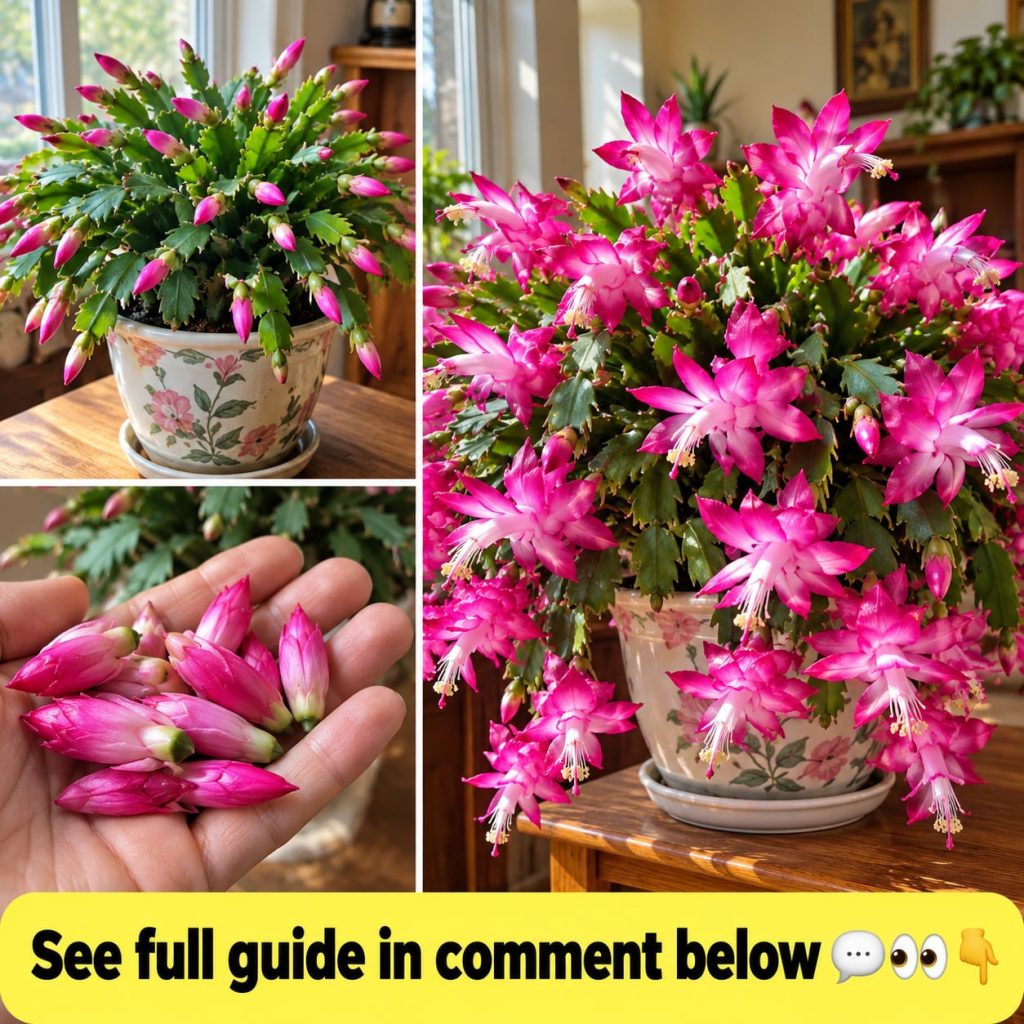
2. Temperature Matters: Cooler is Better
While we might crave warmth indoors as autumn progresses, your Christmas Cactus thrives in cooler temperatures during October to initiate blooming. Ideal temperatures for bud formation are between 50-55°F (10-13°C) at night and around 60-65°F (15-18°C) during the day.
- Method: Place your plant in a cooler room, away from heat vents or drafts. A slightly unheated sunroom or a north-facing window might be ideal.
- How Often: Maintain these cooler temperatures consistently throughout October and into November until buds are well-formed.
Quick Tip: Avoid sudden temperature fluctuations, as this can stress the plant and cause bud drop.
3. Watering Wisely: Less is More
Unlike its summer hydration needs, your Christmas Cactus requires reduced watering in October. Overwatering at this stage can lead to root rot and prevent blooming. The goal is to keep the soil slightly on the dry side, but not bone dry.
- Method: Water thoroughly when the top inch or two of soil feels dry to the touch. Allow excess water to drain completely.
- How Often: This often means watering every 2-3 weeks, depending on your home’s humidity and temperature. Always check the soil moisture before watering.
4. Hold the Fertilizer
Resist the urge to fertilize your Christmas Cactus in October. During this pre-bloom period, the plant is focusing its energy on bud development, not vegetative growth. Adding fertilizer can actually hinder blooming by encouraging leaf growth instead of flowers.
- Method: Completely stop fertilizing in October. Resume a balanced liquid fertilizer regimen (diluted to half strength) only after the blooming period is over, typically in late winter or early spring.
- How Often: Do not fertilize at all during October and November.
5. Humidity: A Hidden Necessity
As epiphytes, Christmas Cacti appreciate higher humidity, especially when indoor heating systems dry out the air. While not directly a blooming trigger, adequate humidity supports overall plant health and can prevent bud blast (buds drying up and falling off).
- Method: Place your plant on a pebble tray filled with water (ensure the pot isn’t sitting directly in the water). Misting can help, but a pebble tray provides more consistent localized humidity.
- How Often: Keep the pebble tray filled continuously.
Practical Tips for Success
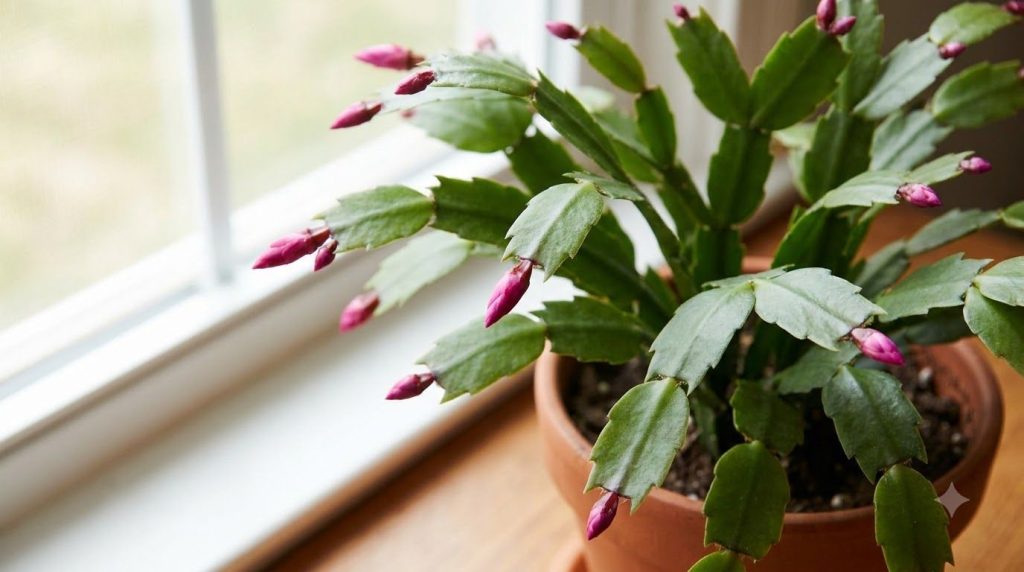
- Avoid Moving Once Buds Form: Once you see buds appearing, try not to move the plant. Changes in light, temperature, or orientation can cause bud drop.
- Check for Pests: Cooler temperatures can sometimes encourage pests like mealybugs. Inspect your plant regularly.
- Rotate Evenly (Before Budding): If you want symmetrical growth and blooms, rotate your plant regularly *before* buds start to form. Once buds appear, avoid rotating.
Common Mistakes to Avoid
Even with the best intentions, it’s easy to make mistakes that can prevent your Christmas Cactus from blooming. Be mindful of these common pitfalls:
- Too Much Light at Night: Even a brief exposure to artificial light during the dark period can disrupt the blooming cycle. Streetlights, room lights, or even a TV can be enough to confuse the plant.
- Overwatering: This is arguably the most common mistake. Soggy soil is a death sentence for Christmas Cacti, leading to root rot and bud drop.
- Too Warm: Keeping your plant in a consistently warm room (above 70°F or 21°C) will inhibit bud formation.
- Moving the Plant After Budding: Once those precious buds appear, resist the urge to move the plant.
- Using the Wrong Soil: Heavy, water-retentive potting soil can lead to root issues. Use a well-draining mix, ideally one formulated for succulents or cacti, with added perlite or bark.
Quick Reference: October Care vs. Blooming Period
| Care Aspect | October (Pre-Bloom) | Blooming Period (Dec-Jan) |
|---|---|---|
| Light | 12-14 hrs darkness / day | Bright, indirect light (no darkness needed) |
| Temperature | 50-55°F (night), 60-65°F (day) | 65-75°F (to prolong blooms) |
| Watering | Reduce; allow soil to dry out | Moderate; keep soil evenly moist |
| Fertilization | Stop completely | Stop completely |
| Humidity | Maintain higher humidity | Maintain higher humidity |
| Movement | Move for dark period | Avoid moving to prevent bud drop |
Cautions & Who Should Avoid It
Christmas Cacti are generally considered non-toxic to humans and pets, making them a safe choice for most homes. However, like with any plant, ingesting large quantities could cause mild digestive upset. Always keep plants out of reach of curious pets or small children. There are no specific groups who should avoid owning a Christmas Cactus, but individuals with severe plant allergies should exercise caution with any indoor plant.
Quick Summary for Holiday Blooms
- Best Preparation: Start 12-14 hours of daily darkness in early October.
- Best Use-Case: For stunning December-January flowers.
- Optimal Environment: Cool temperatures (50-65°F) with high humidity.
- Watering: Reduce watering, allow soil to dry between.
- Fertilization: Stop completely in October.
- What to Avoid: Overwatering, consistent warmth, artificial light at night, moving the plant once buds form.
Frequently Asked Questions (FAQ)
Q1: When exactly should I start the dark treatment?
A1: Ideally, begin the 12-14 hours of uninterrupted darkness each night in early October. Continue for 6-8 weeks, or until you see buds forming.
Q2: My plant isn’t blooming, even with darkness. What could be wrong?
A2: Common issues include inconsistent darkness (even brief light exposure can disrupt it), temperatures that are too warm, or overwatering causing root issues. Review all five tips to ensure you’re following them consistently.
Q3: Can I use a grow light during the day?
A3: Yes, if your natural light is insufficient, a grow light can supplement. Just ensure it’s turned off completely during the 12-14 hour dark period.
Q4: How long do Christmas Cactus blooms last?
A4: With proper care, blooms can last for several weeks, often from late November through January.
Q5: Is it okay to prune my Christmas Cactus in October?
A5: No, avoid pruning in October as it can stress the plant and delay or prevent blooming. The best time for pruning is after the plant has finished flowering in late winter or early spring.
Q6: Why are my flower buds falling off?
A6: Bud drop is often caused by sudden changes in temperature, too little humidity, overwatering, or moving the plant once buds have set.
By understanding and applying these five essential October care tips, you’re not just growing a plant; you’re orchestrating a magnificent display of natural beauty that will brighten your home throughout the holiday season. The effort you put in now will be rewarded with an abundance of vibrant blooms, transforming your Christmas Cactus into a true festive centerpiece. Give your plant the attention it needs this October, and prepare to be amazed!
You may also like: Read our full guide on year-round Christmas Cactus care
Related remedy: Discover how to propagate your Christmas Cactus for new plants