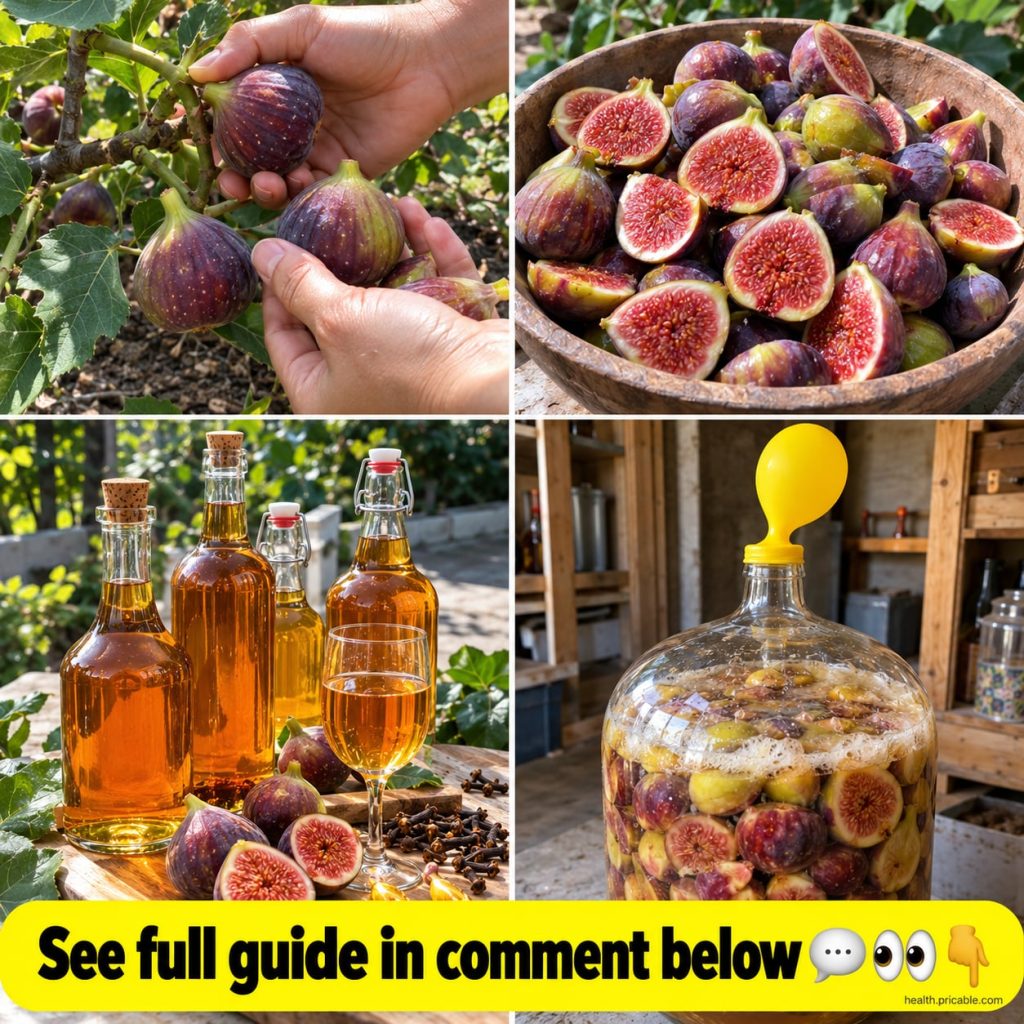
Most people think of grapes when they hear ‘wine,’ but an even older, naturally sweet tradition lies waiting in your fig tree. This isn’t just a fascinating historical footnote; it’s a simple, rewarding journey from fresh, juicy figs to a rich, amber homemade fig wine that will surprise your palate and impress your guests. Forget complex viticulture; harnessing the natural sweetness and fermenting power of figs is a truly ancient craft worth reviving.
What is Homemade Fig Wine?
Homemade fig wine is a fermented alcoholic beverage made predominantly from fresh or dried figs, water, sugar, and yeast. Unlike grape wines, fig wine often boasts a unique, honeyed sweetness and a distinct earthy, fruity aroma that reflects the character of the fig itself. Historically, cultures in the Mediterranean and Middle East have made various forms of fig beverages for millennia, utilizing the abundant harvest of these versatile fruits. It’s a testament to ingenuity and a delicious way to preserve the bounty of a fig season.
Ingredients for Fig Wine
Crafting your own fig wine requires just a few key ingredients. Quality makes all the difference, so source the best you can find.
- Fresh Ripe Figs: The star of the show. Aim for deeply colored, soft, and fragrant figs.
- Granulated Sugar: Provides the necessary fermentable sugars. Cane sugar is common, but brown sugar or honey can add depth.
- Filtered Water: Essential for a clean fermentation.
- Wine Yeast: Specific strains are designed for fruit wines, ensuring a clean, efficient fermentation and desirable flavor profiles.
- Lemon Juice (Optional but Recommended): Adds acidity, crucial for balancing flavor and aiding fermentation.
- Yeast Nutrient (Optional but Recommended): Helps keep the yeast healthy and active, preventing sluggish fermentation.
- Pectic Enzyme (Optional but Recommended): Breaks down fruit pectin, clarifying the wine and preventing “pectin haze.”
- Campden Tablets (Optional): Used to sterilize the must (unfermented juice) before adding yeast, reducing the risk of unwanted bacteria.
Approximate Measurements (for 1 Gallon Batch):
- Fresh Ripe Figs: 4-5 pounds (approx. 1.8-2.3 kg)
- Granulated Sugar: 2-2.5 pounds (approx. 900g-1.1 kg), adjust based on fig sweetness and desired alcohol content.
- Filtered Water: 1 gallon (approx. 3.8 liters)
- Wine Yeast: 1 packet (5 grams), specific for fruit wines (e.g., Lalvin EC-1118 or K1V-1116)
- Fresh Lemon Juice: 1/4 cup (approx. 60 ml)
- Yeast Nutrient: 1 teaspoon
- Pectic Enzyme: 1/2 teaspoon
- Campden Tablets: 1 (crushed, if using to sterilize)
Formula / Recipe: Homemade Fig Wine
This recipe guides you through creating a balanced, flavorful fig wine. Precision and cleanliness are paramount for success.
- Prepare Figs: Wash figs thoroughly. Remove any stems. You can leave the skins on for more flavor and color. Chop the figs into small pieces.
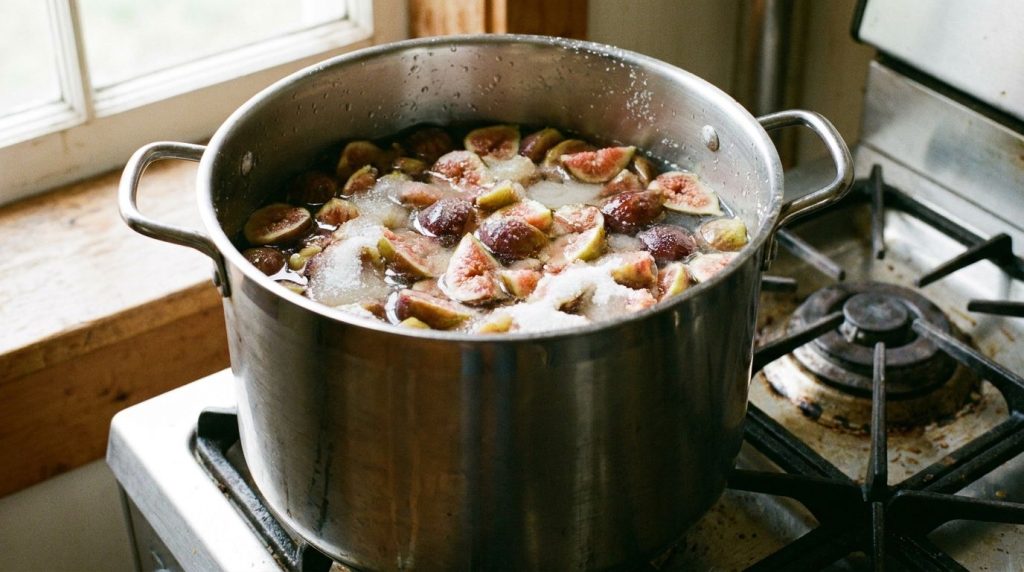
- Create the Must: In a large, non-reactive pot (stainless steel is ideal), combine the chopped figs and 1 gallon of filtered water. Bring to a boil, then reduce heat and simmer gently for 20-30 minutes, mashing the figs occasionally with a potato masher or spoon to extract maximum flavor.
- Add Sugar and Acid: Remove the pot from heat. Stir in the granulated sugar until completely dissolved. Add the lemon juice. If using a hydrometer, aim for an initial specific gravity of 1.080-1.090 for a dry to medium-dry wine.
- Cool and Treat: Allow the must to cool completely to room temperature (65-75°F or 18-24°C). This is critical! Hot liquid will kill the yeast. If using Campden tablets, add one crushed tablet now, stir well, and cover. Let it sit for 24 hours to dissipate sulfites before adding yeast.
- Add Pectic Enzyme and Yeast Nutrient: After cooling (and Campden tablet resting period), stir in the pectic enzyme and yeast nutrient.
- Pitch the Yeast: Hydrate your wine yeast according to package directions (usually in a small amount of warm water for 15 minutes). Gently stir the activated yeast into the cooled fig must.
Step-by-Step Method: Fermentation and Aging
The journey from must to wine involves careful monitoring and patience.
- Primary Fermentation: Transfer the must into a clean, sanitized primary fermenter (a large food-grade bucket with a lid and airlock hole). Ensure there’s plenty of headspace as the initial fermentation can be vigorous. Secure the lid with an airlock. Place the fermenter in a cool, dark place (65-75°F or 18-24°C) for 5-7 days. You’ll see bubbling in the airlock, indicating active fermentation.
- Strain and Rack (Secondary Fermentation): After 5-7 days, the bubbling will slow, and much of the fig pulp will have risen and then settled. Carefully strain the wine through a sanitized colander lined with cheesecloth into a clean, sanitized 1-gallon glass carboy or jug. Press the fig pulp gently to extract more liquid, but avoid over-squeezing which can introduce bitterness.
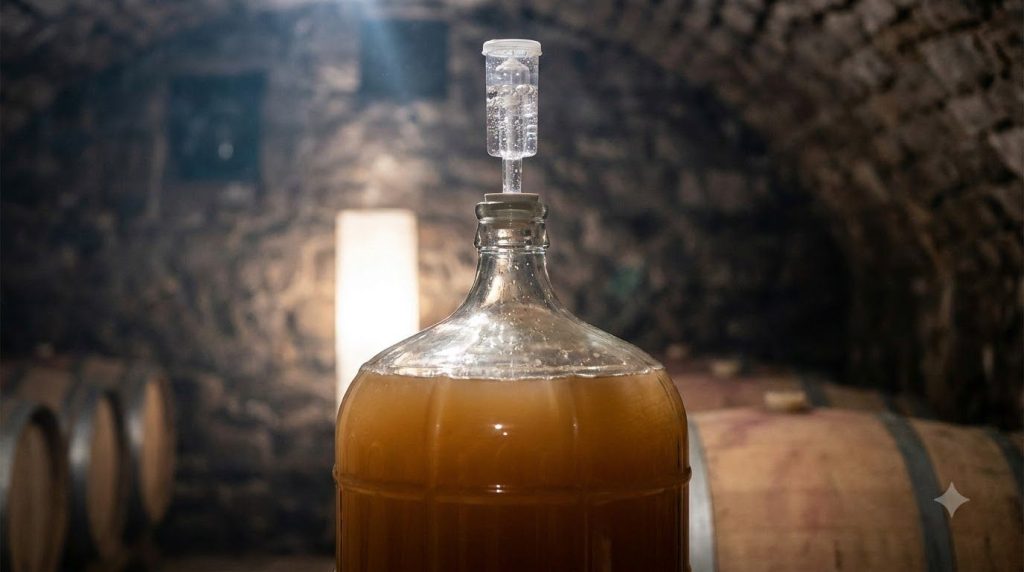
- Continue Secondary Fermentation: Fit an airlock onto the carboy. Return it to a cool, dark place. This secondary fermentation will be much slower, lasting 2-4 weeks or until the wine becomes clear and all bubbling stops.
- First Racking: Once fermentation ceases and the wine is clear, carefully siphon (rack) the wine off the sediment (lees) at the bottom into another clean, sanitized carboy. Leave the sediment behind. This step is crucial for clarity and preventing off-flavors.
- Aging: Re-attach the airlock and age the wine in a cool, dark place for at least 3-6 months, or even longer for a richer flavor. Racking every 2-3 months can help further clarify the wine.
- Stabilize (Optional): Before bottling, you can stabilize the wine with a Campden tablet and potassium sorbate to prevent further fermentation in the bottle, especially if you plan to sweeten it.
- Bottling: Once aged to your liking and perfectly clear, carefully siphon the wine into clean, sanitized wine bottles. Leave about 1 inch of headspace. Cork or cap tightly.
How to Use
Homemade fig wine is best enjoyed chilled, as an aperitif, or paired with a variety of foods. Its unique sweetness and fruit notes make it excellent with:
- Cheeses (especially goat cheese, brie, or blue cheese)
- Desserts featuring nuts, honey, or other fruits
- Light poultry or pork dishes
- Enjoy it on its own as a delightful after-dinner drink.
How Often to Use
As an alcoholic beverage, consume fig wine in moderation, just as you would any other wine. There’s no prescribed frequency for health benefits; it’s a craft beverage meant for enjoyment.
How to Buy / How to Choose Ingredients
- Figs: Choose fresh, ripe figs during peak season (late summer to early fall). They should be soft to the touch but not mushy, with no signs of mold or damage. Farmers’ markets are excellent sources for diverse fig varieties.
- Yeast: Purchase wine-specific yeast from a reputable homebrew supply store. Avoid bread yeast, which produces off-flavors in wine.
- Sugar: Standard granulated sugar works well. For a darker, richer wine, a portion of brown sugar or even honey can be used, but adjust sugar levels carefully.
- Equipment: Invest in proper homebrewing equipment: fermenters (primary bucket, secondary carboy), airlocks, hydrometer, siphoning tube, sanitizer. Cleanliness is non-negotiable.
Storage
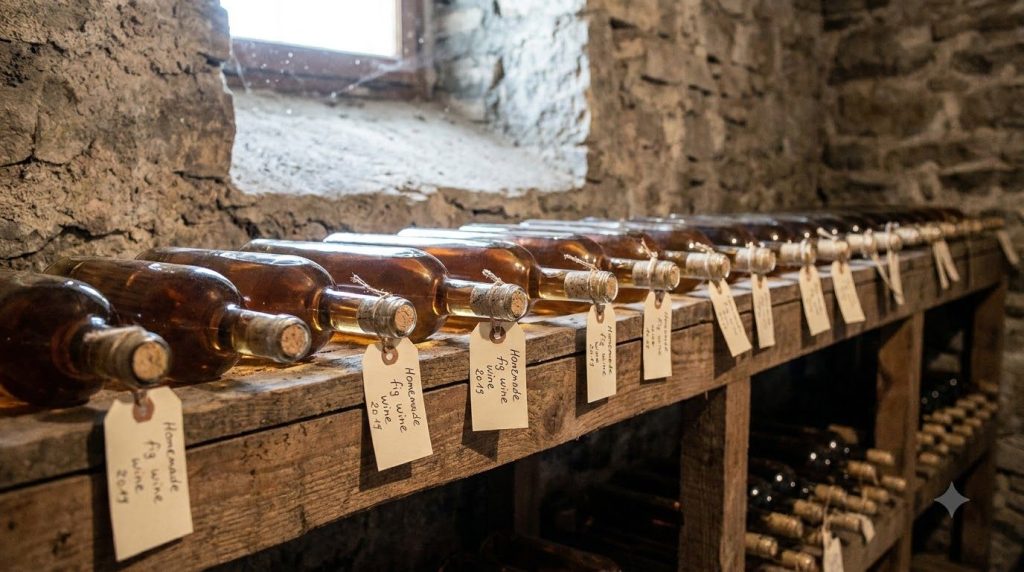
Store bottled fig wine in a cool, dark place, ideally between 50-60°F (10-15°C). Keep bottles on their side if corked to keep the cork moist and prevent oxygen ingress. Properly stored, homemade fig wine can last for 1-2 years, with some varieties improving with age.
Quick Tip:
Sanitization is everything! Before starting, sanitize all equipment that will come into contact with your figs or wine. Use a dedicated homebrew sanitizer and follow its instructions meticulously. A single contaminant can ruin your entire batch.
Practical Tips
- Record Keeping: Keep a log of your recipe, specific gravity readings, and dates for each step. This helps you replicate successful batches and troubleshoot issues.
- Temperature Control: Maintain a consistent fermentation temperature. Fluctuations can stress the yeast and lead to off-flavors.
- Hydrometer Use: Learning to use a hydrometer is vital. It measures sugar content and alcohol by volume (ABV), guiding you on when to rack and bottle.
- Patience: Wine making is a slow craft. Rushing the fermentation or aging process can lead to an underdeveloped or harsh-tasting wine.
Common Mistakes
- Inadequate Sanitization: The number one cause of spoiled wine. Ensure everything is sparkling clean and sanitized.
- Using the Wrong Yeast: Bread yeast will produce a yeasty, bread-like flavor and often stalls before reaching desired alcohol levels.
- Not Cooling the Must Enough: Adding yeast to hot liquid will kill it, preventing fermentation.
- Bottling Too Early: If the wine hasn’t finished fermenting or isn’t degassed, bottles can explode. Always check with a hydrometer for a stable final gravity.
- Over-Squeezing the Pulp: Can extract bitter compounds from the fig skins or seeds, affecting the wine’s flavor.
- Too Much Oxygen Exposure: While some oxygen is needed for yeast at the very start, excessive oxygen during secondary fermentation and aging can lead to oxidation and off-flavors.
Comparison: Fresh vs. Dried Figs for Wine
| Feature | Fresh Figs | Dried Figs |
|---|---|---|
| Flavor Profile | Brighter, more vibrant, delicate fruit notes. | Richer, more concentrated, caramel-like, intense sweetness. |
| Sugar Content | Lower, requires more added sugar. | Much higher, less added sugar needed. |
| Texture & Prep | Softer, easier to mash, more pulp. | Harder, may require soaking and chopping. Less pulp. |
| Availability | Seasonal (late summer/early fall). | Year-round. |
| Clarity | Can be cloudier due to pectin, often needs pectic enzyme. | Generally clearer, less pectin. |
While fresh figs are traditional, dried figs can also make a fantastic, albeit different, wine. Many choose to blend fresh and dried for a complex profile.
Cautions / Who Should Avoid It
Homemade wine contains alcohol and should be consumed responsibly. Individuals who are pregnant, nursing, under the legal drinking age, or have medical conditions that contraindicate alcohol consumption should avoid homemade fig wine. Always ensure your fermentation is safe and your equipment is clean to prevent harmful microbial growth.
Quick Summary
Making homemade fig wine is a rewarding process that combines patience with careful technique. Start with ripe, fresh figs and maintain strict sanitization throughout. Utilize wine yeast for the best results and control fermentation temperatures. After primary fermentation, rack the wine off the sediment into a secondary fermenter for clearing and aging. Allow adequate aging time for flavors to develop. Store the finished wine in a cool, dark place. Avoid common mistakes like poor sanitization or premature bottling for a successful batch.
FAQ
- Can I use dried figs instead of fresh? Yes, you can. Dried figs will produce a richer, sweeter wine with a more concentrated fig flavor, but you’ll need to adjust the sugar content accordingly.
- How long does fig wine take to ferment? Primary fermentation usually takes 5-7 days. Secondary fermentation can take 2-4 weeks. Total aging before drinking can range from 3 months to over a year.
- How long does homemade fig wine last? Properly made and stored, homemade fig wine can last 1-2 years or more, with flavors often improving over the first year.
- What kind of yeast is best for fig wine? Wine yeast strains like Lalvin EC-1118 or K1V-1116 are excellent choices for fruit wines, ensuring a clean fermentation and higher alcohol tolerance.
- Why isn’t my wine fermenting? Common reasons include insufficient cooling (killing the yeast), expired or inactive yeast, lack of yeast nutrient, or too much sulfite if Campden tablets were used without adequate waiting time.
- Can I make fig wine without added sugar? While possible, the result will be very dry and lower in alcohol. Figs don’t contain enough natural sugar for a typical wine strength without supplementation.
- How do I make my fig wine sweeter? After fermentation is complete and stabilized (using Campden tablets and potassium sorbate), you can sweeten the wine to taste with a non-fermentable sugar (like xylitol) or by adding back a small amount of concentrated fig juice or sugar syrup.
Conclusion
Embarking on the journey of homemade fig wine is more than just making a beverage; it’s a connection to ancient traditions and the satisfaction of crafting something truly unique from nature’s bounty. With attention to detail, proper sanitization, and a dash of patience, you can transform a simple fig harvest into a delicious, naturally sweet wine that’s perfect for sharing or savoring. Cheers to your next successful batch!
You may also like: DIY Elderflower Cordial: A Taste of Spring
Read more: The Beginner’s Guide to Fermented Foods