Most people treat fresh parsley as a fleeting ingredient, enjoying its vibrant flavor for a few days before it wilts and loses its zest. But what if you could extend its life, keeping that fresh, herbaceous punch ready for your dishes for weeks, or even months? The good news is, you can. With a few simple steps and an understanding of its unique needs, you can transform how you use and store this popular herb, ensuring you always have a fresh supply on hand.
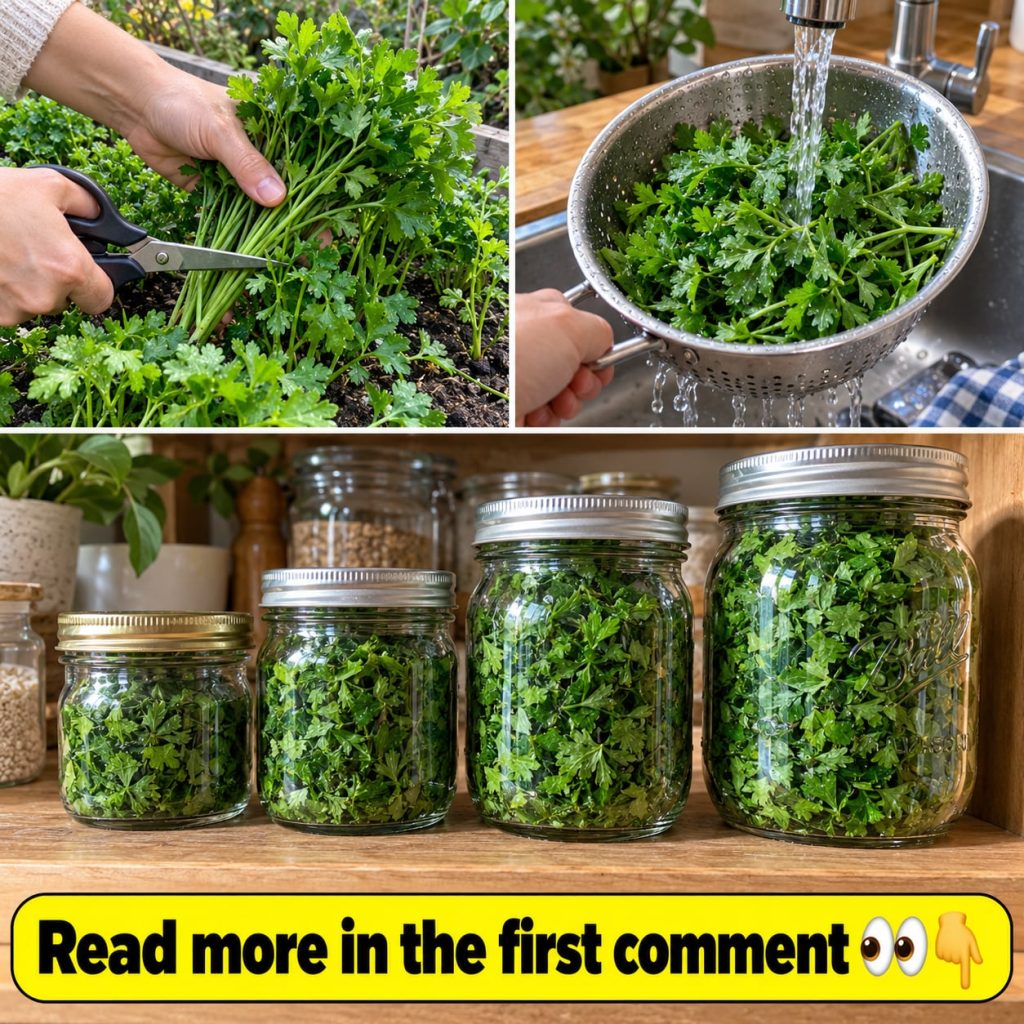
What It Is: The Everyday Herb That Deserves Better Storage
Parsley (Petroselinum crispum), whether flat-leaf or curly, is a staple in kitchens worldwide, prized for its fresh, slightly peppery flavor and beautiful green garnish. It’s rich in vitamins K, C, and A, and antioxidants, making it more than just a garnish. The challenge, however, lies in its delicate nature. Exposed to air and heat, its leaves quickly yellow and wilt. Learning proper preservation isn’t just about reducing waste; it’s about maintaining access to its nutritional benefits and flavor whenever inspiration strikes.
Ingredients You’ll Need
No complex components are required for parsley preservation. You’ll primarily need:
- Fresh parsley (flat-leaf or curly)
- Clean water
- Paper towels or a clean kitchen towel
- Airtight containers or freezer bags
- Ice cube trays (for freezing method)
- Olive oil (optional, for freezing)
The Formula: Simple Steps for Long-Lasting Freshness
The core principle of parsley preservation is to protect it from excessive moisture that causes rot, while also preventing it from drying out too quickly. There are three main approaches: refrigeration, freezing, and drying. Each method offers different durations and best uses, giving you flexibility based on your culinary needs.
Step-by-Step Method: From Garden to Freezer
Method 1: Refrigeration (Short-Term: 2-4 Weeks)
- Inspect and Trim: Remove any yellowed, damaged, or wilted leaves. Trim about an inch off the bottom of the stems.
- Wash Gently: Rinse the parsley under cool running water.
- Dry Thoroughly: This is the most crucial step. Gently pat the parsley dry with paper towels or use a salad spinner. Excess moisture leads to mold.
- Store in Water: Place the parsley stems-down into a glass or jar filled with about an inch of fresh water, similar to a bouquet of flowers.
- Cover Loosely: Loosely cover the top of the parsley leaves with a plastic bag (a produce bag works well) to create a humid environment, but allow some air circulation.
- Refrigerate: Place the glass in the refrigerator. Change the water every 1-2 days.
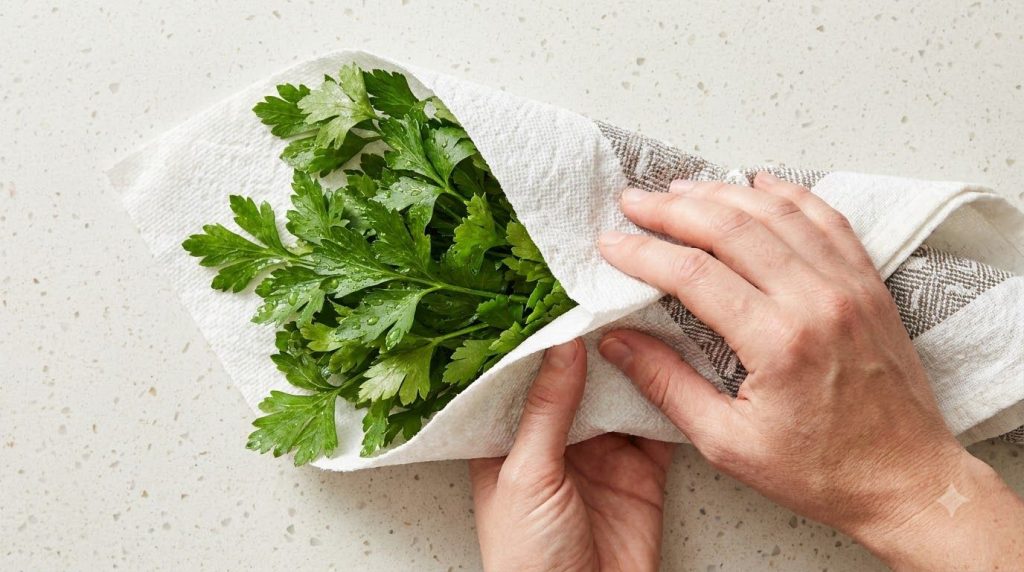
Quick Tip: For an even simpler refrigeration method, after washing and thoroughly drying, wrap the parsley loosely in a slightly damp paper towel, then place it in a zip-top bag or airtight container before refrigerating. This can also keep it fresh for up to 2 weeks.
Method 2: Freezing (Long-Term: 3-6 Months)
Option A: Chopped Parsley
- Clean and Dry: Wash and meticulously dry the parsley as described above.
- Chop: Finely chop the parsley leaves.
- Spread and Freeze: Spread the chopped parsley in a single layer on a baking sheet lined with parchment paper. Freeze for an hour or two until solid.
- Transfer to Bag: Once frozen, transfer the parsley to an airtight freezer bag, pressing out as much air as possible.
Option B: Parsley Ice Cubes
- Clean and Chop: Wash, dry, and finely chop the parsley.
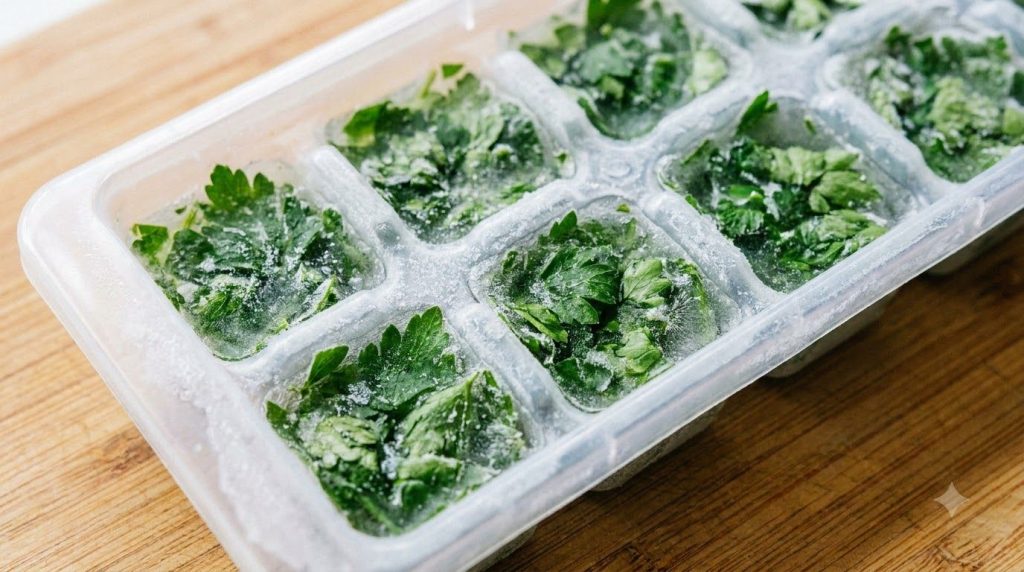
- Fill Ice Trays: Pack the chopped parsley into ice cube trays, filling each compartment about two-thirds full.
- Add Liquid: Pour a small amount of water or olive oil over the parsley in each compartment, just enough to cover it.
- Freeze Solid: Freeze until the cubes are completely solid.
- Store Cubes: Once frozen, pop the parsley cubes out of the trays and transfer them to an airtight freezer bag.
Method 3: Drying (Long-Term: 6-12 Months)
- Clean and Dry: Wash the parsley thoroughly and pat it as dry as possible.
- Bundle: Tie small bunches of parsley together at the stems.
- Hang to Dry: Hang the bundles upside down in a warm, dry, well-ventilated area away from direct sunlight. This can take 1-2 weeks.
- Oven/Dehydrator Method: Alternatively, you can dry parsley in a low oven (lowest setting, door slightly ajar) or a food dehydrator until brittle.
- Store Dried Parsley: Once completely dry and brittle, crumble the leaves and store them in an airtight jar in a cool, dark place.
How to Use Your Preserved Parsley
- Refrigerated: Use exactly as you would fresh parsley – in salads, as a garnish, or mixed into any dish.
- Frozen: Frozen chopped parsley or cubes are best for cooked dishes like soups, stews, sauces, and casseroles. Add them directly to the pan; they thaw quickly. Avoid using frozen parsley as a fresh garnish as its texture will be softer.
- Dried: Dried parsley has a more concentrated, subtle flavor. Use it in rubs, marinades, or slow-cooked dishes. Remember that 1 tablespoon of fresh parsley equals about 1 teaspoon of dried parsley.
How Often to Use
The frequency of use depends on your recipe, but knowing the shelf life of each method helps you plan:
- Refrigerated: Aim to use within 2-4 weeks.
- Frozen: Best used within 3-6 months for optimal flavor.
- Dried: Potent for 6-12 months, though flavor may diminish over time.
How to Buy / How to Choose Ingredients
The journey to long-lasting parsley starts with choosing the freshest possible bunch. Look for parsley with:
- Vibrant green leaves, no yellowing or wilting.
- Firm, non-soggy stems.
- A fresh, clean aroma.
- Avoid bunches with any signs of mold or slime.
Storage: A Quick Reference
| Method | Container | Location | Longevity | Best Use |
|---|---|---|---|---|
| Refrigerated (in water) | Glass jar + plastic bag | Refrigerator | 2-4 weeks | Fresh dishes, garnishes |
| Refrigerated (damp towel) | Airtight container/bag | Refrigerator | 1-2 weeks | Fresh dishes, garnishes |
| Frozen (chopped) | Freezer bag | Freezer | 3-6 months | Cooked dishes |
| Frozen (oil/water cubes) | Freezer bag | Freezer | 3-6 months | Cooked dishes, sauces |
| Dried | Airtight jar | Cool, dark pantry | 6-12 months | Seasoning, slow-cooked |
Practical Tips for Success
- Don’t Rush Drying: Whether for refrigeration or freezing, ensure parsley is completely dry after washing. This is the number one factor in preventing spoilage.
- Harvest Smart: If harvesting from a garden, do so in the morning after the dew has dried but before the heat of the day.
- Label Everything: Always label your frozen or dried parsley with the date to keep track of freshness.
- Small Batches: When freezing, consider freezing in smaller portions so you only take out what you need, minimizing exposure to air.
Common Mistakes to Avoid
- Not Drying Thoroughly: Any residual moisture will lead to mold and rot, especially in refrigeration and freezing.
- Washing Too Early: If you’re not planning to store immediately, don’t wash parsley until you’re ready to prep it for preservation or use.
- Over-packing: Don’t cram too much parsley into containers or bags, as this can crush the leaves and promote moisture buildup.
- Using Yellowed Leaves: Always remove any discolored leaves before preserving. They won’t improve and can accelerate spoilage of the good leaves.
- Storing in Warm Spots: Dried parsley, though shelf-stable, still benefits from a cool, dark storage area to retain flavor.
Cautions: Who Should Avoid It
Parsley is generally safe for most people. However, those on anticoagulant medications (blood thinners) should consult their doctor before consuming large amounts, as parsley is high in Vitamin K, which plays a role in blood clotting. Similarly, pregnant women should consume parsley in moderate culinary amounts, but avoid very large, concentrated doses found in some herbal preparations.
Quick Summary: Your Parsley Preservation Cheat Sheet
- Best Fresh Prep: Trim stems, place in water, cover loosely, refrigerate (2-4 weeks).
- Best Cooked Prep: Wash, chop, freeze on tray, then transfer to airtight freezer bag (3-6 months). Alternatively, freeze in ice cube trays with water or oil.
- Longest Storage: Air-dry or dehydrate until brittle, crumble, store in airtight jar in a cool, dark place (6-12 months).
- What to Avoid: Moisture, yellowed leaves, overcrowding, warm storage for dried herbs.
FAQ: Your Parsley Preservation Questions Answered
- Can I use fresh or dried parsley interchangeably?
While both are parsley, their flavors and textures differ. Fresh parsley is bright and vibrant, ideal for garnishes and salads. Dried parsley has a more muted, concentrated flavor best for cooking. Use about 1 teaspoon of dried parsley for every tablespoon of fresh.
- How long does preserved parsley really last?
Refrigerated parsley lasts 2-4 weeks. Frozen parsley maintains good quality for 3-6 months. Dried parsley can last 6-12 months, though its flavor will gradually diminish over time.
- Is it better to freeze parsley with water or oil?
Both methods work well. Water is simplest and keeps the flavor pure. Olive oil can help preserve some of the volatile compounds and is excellent if you plan to use the parsley in sautéed dishes or sauces where the oil will be beneficial.
- Can I reuse the water if storing parsley in a glass?
No, you should change the water every 1-2 days to prevent bacterial growth and keep the parsley truly fresh.
- My parsley still wilts quickly in the fridge, what am I doing wrong?
Most likely, it wasn’t dried thoroughly enough after washing, or the water wasn’t changed regularly. Ensure leaves are completely dry before any storage method, and keep the environment cool and stable.
- What’s the best way to dry parsley if I don’t have a dehydrator?
Air-drying by hanging small bundles in a warm, dry, well-ventilated area is effective. You can also use your oven on its lowest setting with the door slightly ajar for a few hours, checking frequently.
You may also like: The Ultimate Guide to Freezing Your Favorite Herbs.
Conclusion
Gone are the days of watching your beautiful bunch of parsley turn into a wilted mess within days. By adopting these practical preservation techniques, you can enjoy the fresh, healthful benefits of parsley in your cooking for much longer. Whether it’s a quick fridge refresh, a convenient freezer stash, or a potent dried seasoning, your kitchen will thank you for always having this versatile herb at your fingertips. Experiment with the methods, find what works best for your routine, and elevate your dishes with enduring freshness.
Read more: Easy Herbal Vinegar Recipes to Elevate Your Meals.
