Tired of scrubbing endlessly or resorting to harsh chemicals for those stubborn household stains? You’re not alone! Many common cleaning challenges, from rusty spots on tools to grimy stovetops, seem to demand intense solutions. But what if we told you that some of the most effective cleaners are already sitting in your pantry?
This guide is for anyone looking for an ingenious, budget-friendly, and surprisingly powerful way to tackle tough grime and stains using two everyday ingredients: cola and sugar. Forget the complicated concoctions; we’re diving into the sweet science of mixing to reveal a secret weapon for your cleaning arsenal.
You’ll learn how to combine these common items into a formidable cleaning scrub that’s perfect for a variety of surfaces. Get ready to transform everyday messes into sparkling clean spaces, all while minimizing your exposure to strong chemical fumes and saving a few bucks.
Quick Summary
- Preparation Time: 2 minutes
- Application Time: 10-30 minutes (depending on stain)
- Difficulty Level: Easy
- Best Uses: Rust removal, hard water stains, burnt-on food, tough grease.
- Suitable Surfaces: Stainless steel, ceramic (test first), cast iron (season after), non-porous surfaces.
- Storage Time: Best used immediately.
Why You’ll Love This DIY Solution
- Easy to Make: Only two common household ingredients needed.
- Budget-Friendly: Often cheaper than commercial specialized cleaners.
- Uses Common Household Ingredients: You likely have them on hand right now.
- Beginner-Friendly: Simple steps anyone can follow.
- Surprisingly Effective: Tackles tough stains with unexpected power.
- Less Harsh: A natural alternative for certain cleaning tasks compared to industrial cleaners.
- Multipurpose: Works on various types of stains and surfaces.
Ingredients / Materials
- 1 cup (240 ml) flat cola (any brand, diet or regular, but flat works best as fizz can dissipate)
- 1/2 cup (120 g) granulated sugar (or fine salt for a coarser scrub)
Equipment Needed
- Small mixing bowl
- Measuring cup
- Spoon or whisk for mixing
- Stiff bristle brush, old toothbrush, or scrubbing sponge
- Microfiber cloths or old rags
- Protective gloves (optional, but recommended for prolonged contact)
Step-by-Step Instructions
Step 1: Gather Your Ingredients and Equipment
What to do: Lay out your cola, sugar, mixing bowl, measuring cup, and scrubbing tools on a clean, clear surface.
Helpful tips: Ensure you have an old, flat cola if possible. The phosphoric acid is key, and less fizz means less mess when mixing.
Expected result: Everything you need is within arm’s reach.
Approximate time: 1 minute
Step 2: Measure and Combine the Ingredients
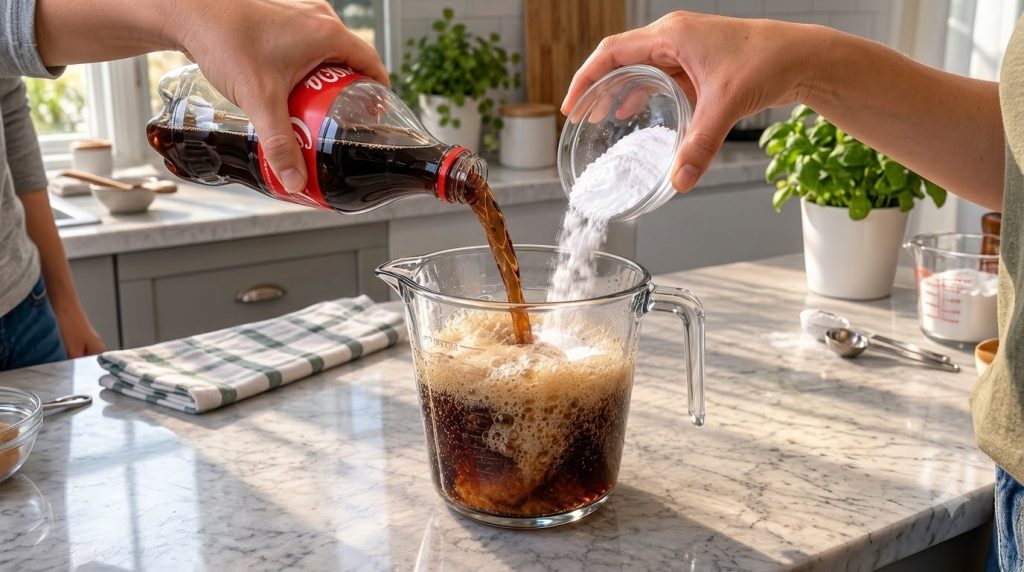
What to do: Pour 1 cup of flat cola into your mixing bowl. Slowly add 1/2 cup of granulated sugar to the cola.
Helpful tips: Add the sugar gradually to prevent clumps and allow it to start dissolving evenly. If you’re using salt, the process is the same.
Expected result: A thick, syrupy, somewhat grainy mixture forms.
Approximate time: 1 minute
Step 3: Mix Thoroughly
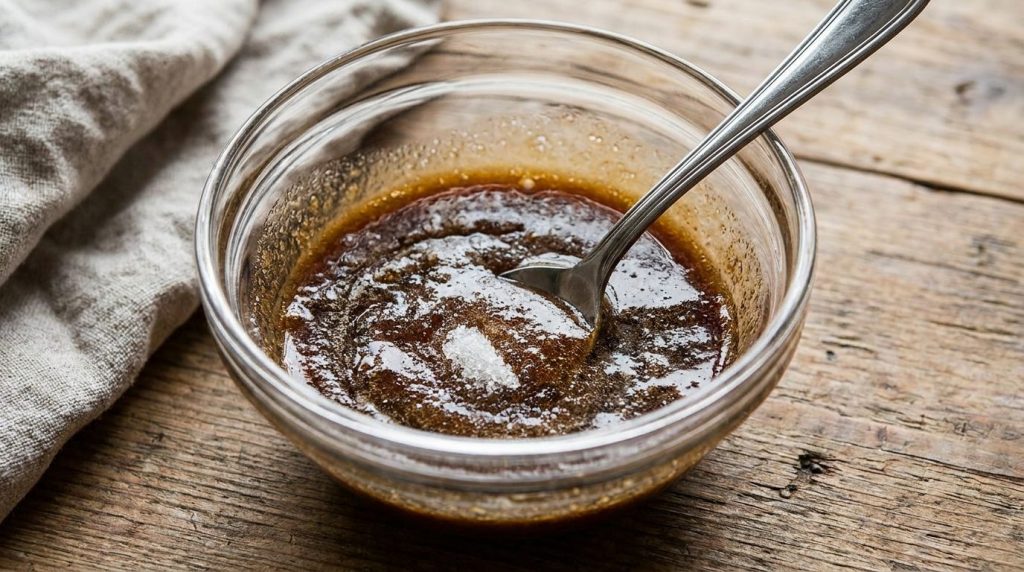
What to do: Stir the cola and sugar mixture vigorously with a spoon or whisk until the sugar is mostly dissolved, creating a thick, gritty paste or syrup.
Helpful tips: The goal is a consistency that can cling to surfaces, not a watery liquid. The sugar provides the abrasive quality, so some grittiness is good.
Expected result: A homogenous, slightly abrasive, dark brown cleaning solution.
Approximate time: 1 minute
Step 4: Apply the Solution to the Stained Area
What to do: Using your spoon or brush, generously apply the cola and sugar scrub directly to the stain or grimy area. Ensure the entire affected surface is covered.
Helpful tips: For deeply embedded stains or rust, a thicker application is beneficial. Don’t be shy with the mixture!
Expected result: The stained surface is thoroughly coated with the cleaning scrub.
Approximate time: 1-2 minutes
Step 5: Let it Sit and Penetrate
What to do: Allow the solution to sit on the stain for at least 10-20 minutes. For very stubborn grime or rust, you can let it sit for up to an hour.
Helpful tips: The longer the acidic cola has contact with the stain, the better it can break down rust and grime. Keep an eye on the surface, especially if it’s new to you.
Expected result: The cola’s phosphoric acid begins to work on dissolving the stain.
Approximate time: 10-60 minutes
Step 6: Scrub Away the Grime
What to do: Don your gloves if desired. Using a stiff bristle brush, old toothbrush, or scrubbing sponge, vigorously scrub the treated area in circular motions. The sugar acts as a gentle abrasive to lift away loosened particles.
Helpful tips: Apply firm, consistent pressure. For intricate areas, an old toothbrush is perfect. You’ll see the grime start to lift and dissolve.
Expected result: Stains and grime are visibly loosened and removed from the surface.
Approximate time: 5-15 minutes
Step 7: Rinse and Wipe Clean
What to do: Rinse the area thoroughly with clean water, ensuring all the cola and sugar residue is washed away. Then, wipe the surface dry with a clean microfiber cloth.
Helpful tips: Avoid leaving any sugary residue, as it can attract pests or become sticky. A final wipe with a damp cloth followed by a dry one ensures a streak-free finish.
Expected result: A clean, sparkling, and stain-free surface.
Approximate time: 2-3 minutes
Best Uses
- Rust Stains: Excellent for removing light rust from tools, outdoor furniture, or chrome fixtures. The phosphoric acid in cola is a known rust dissolver.
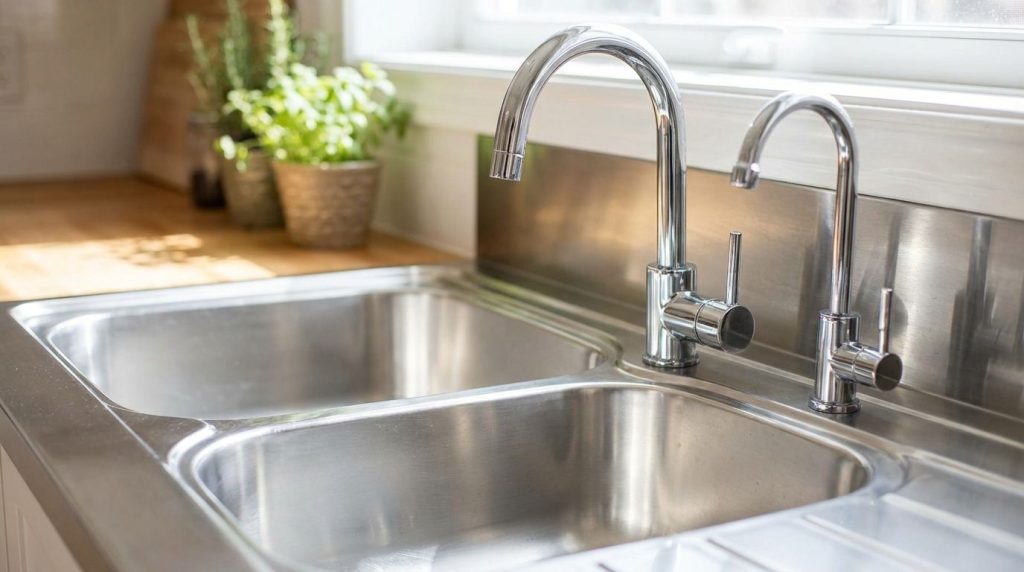
- Hard Water Stains: Can help break down mineral deposits on faucets, showerheads (if carefully applied), and stainless steel sinks.
- Burnt-on Food on Stovetops and Oven Racks: Apply the scrub to cooled surfaces, let it sit, then scrub away baked-on residue.
- Grease and Grime on Stainless Steel: Works wonders on stainless steel sinks, appliances, and pots (ensure to rinse thoroughly and avoid prolonged contact with cast iron or sensitive finishes).
- Tile Grout (Test First): For tough grout lines, apply, let sit, and scrub with an old toothbrush. Always test in an inconspicuous spot first, especially on colored grout.
Surface Limitations:
This solution is generally safe for non-porous surfaces. However, avoid using it on:
- Natural Stone (Marble, Granite): The acidity of cola can etch and damage these surfaces.
- Delicate Finishes: Anything with a delicate sealant or coating might be susceptible to the acid.
- Wood: Can leave a sticky residue and potentially damage finishes.
- Fabrics or Carpets: The dark color of cola can stain.
Safety Notes
- Wear Gloves: While natural, prolonged contact with the cola’s acidity can be drying to skin, especially if you have sensitive hands. Gloves are recommended.
- Test on an Inconspicuous Area: Always perform a patch test on a small, hidden part of the surface you intend to clean to ensure no discoloration or damage occurs.
- Keep Away from Children and Pets: Although composed of common food items, this solution is for cleaning, not consumption. Store and use safely out of reach.
- Ensure Good Ventilation: While not producing harsh fumes, it’s always good practice to clean in a well-ventilated area.
- Avoid Contact with Eyes: If the solution gets into your eyes, rinse thoroughly with water for several minutes.
Expert Tips
- Use Flat Cola: For best results, use cola that has gone flat. The absence of carbonation means less fizz when mixing and applying, allowing the phosphoric acid to get straight to work.
- Pre-Warm Stubborn Areas: For extremely tough, baked-on grime, you can gently warm the surface (e.g., a stovetop burner on low for a minute, then off) before applying the solution. This can help the grime soften.
- Adjust Abrasive: If you need a more aggressive scrub, substitute some or all of the granulated sugar with fine salt or even a coarser sugar like turbinado. For a gentler scrub, use only sugar.
- Lemon Boost: For an extra boost of cleaning power and a fresh scent, add a tablespoon of lemon juice to the mixture. The citric acid enhances the cleaning action.
- Targeted Application: For vertical surfaces, consider making the paste slightly thicker by adding a little more sugar to help it cling better.
- Rinse Immediately: Always rinse and wipe the surface thoroughly after scrubbing to prevent any sticky residue or potential long-term effects of the acid.
- For Rust on Small Items: You can soak small rusty items (like screws or old coins) directly in a bowl of flat cola for several hours or overnight, then scrub and rinse. The sugar scrub is better for larger surface application.
- Don’t Combine with Bleach: Never mix cola or any acidic solution with bleach, as this can create dangerous chlorine gas.
Storage Instructions
This cola and sugar cleaning solution is best made fresh and used immediately. Due to the sugar content, it can become sticky, attract pests, or ferment if stored for extended periods. It’s also so quick and easy to make that there’s little benefit in preparing it ahead of time.
- Shelf life: Best used within a few hours of preparation.
- Best storage container: Not recommended for storage.
- Storage location: N/A
- Signs the solution should be discarded: If it’s more than a few hours old, appears discolored beyond the cola’s natural hue, or has a sour/fermented smell, discard it. Simply flush it down the drain with plenty of water.
Frequently Asked Questions
Can I store this cleaning solution?
It’s best to make and use this solution fresh. Due to the sugar, it can become sticky, attract pests, or even ferment if stored for long periods.
How long does it last?
The solution is most effective within a few hours of mixing. After that, its abrasive qualities and acidity might diminish slightly, and the sugar can become more solidified.
Can I use diet cola?
Yes, diet cola works just as well. The cleaning power comes from the phosphoric acid, which is present in both regular and diet versions.
Is it safe to use around pets?
While the ingredients are food-safe, the solution is meant for cleaning. Always ensure pets do not ingest the mixture or lick treated surfaces. Rinse thoroughly after cleaning to remove all residue.
Can I replace sugar with baking soda?
While baking soda is an excellent cleaning abrasive, combining it with acidic cola will cause a strong fizzing reaction, neutralizing much of the cola’s acid. For this specific recipe, sugar (or salt) is preferred for its abrasive quality without neutralizing the acid.
Will it damage my stainless steel appliances?
When used as directed and rinsed thoroughly, it is generally safe for stainless steel. Always test in an inconspicuous area first, and avoid prolonged contact, especially if the surface has a special coating.
Can I use this on a glass shower door?
For hard water spots, you could try a small patch test. However, sugar residue on glass can be tricky to rinse completely, potentially leaving streaks. A dedicated glass cleaner or vinegar spray might be more effective for large glass surfaces.
What type of cola works best?
Any standard cola brand will work due to the phosphoric acid content. Flat cola is often preferred as it prevents excessive fizzing when mixing.
Can I use this for toilet bowl cleaning?
Cola alone can be poured into a toilet bowl to help with stains overnight, but the sugar scrub might be too abrasive for the porcelain finish unless used very gently with a soft brush. Test carefully.
What if I don’t have granulated sugar?
You can substitute granulated sugar with fine salt for a similar abrasive effect. The key is to have a fine particulate to aid in scrubbing.
Conclusion
Who knew that a common pantry staple like cola, combined with simple sugar, could unlock such impressive cleaning potential? This DIY cola and sugar scrub offers an innovative, effective, and eco-friendlier approach to tackling some of the toughest stains around your home, from stubborn rust to baked-on kitchen grime.
Remember to always test in a small area first, wear gloves if needed, and rinse thoroughly to reveal sparkling, clean surfaces. Empower yourself with this sweet science of cleaning and discover how easy it can be to keep your home pristine without reaching for the harsh chemicals. Happy cleaning!