Salads are a cornerstone of healthy eating, but a store-bought dressing can often undermine all the fresh goodness. Imagine elevating every crisp leaf and vibrant vegetable with a homemade dressing tailored exactly to your taste. Mastering salad dressings at home is a culinary skill that transforms ordinary greens into extraordinary meals. Forget bland bottled varieties and unlock a world of fresh flavors and incredible textures, right in your own kitchen.
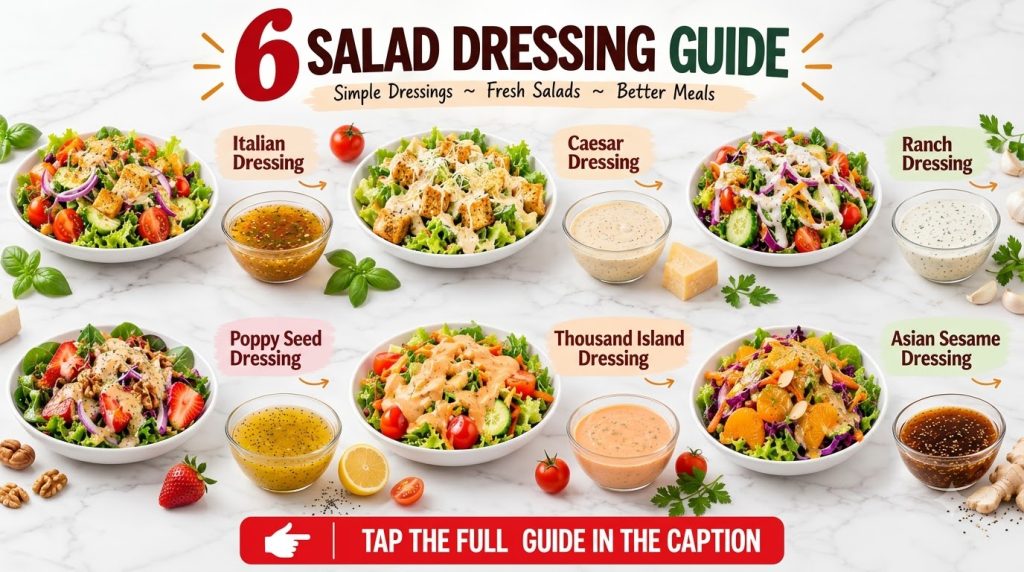
This guide will walk you through crafting six essential salad dressings, from a tangy classic vinaigrette to a creamy, rich ranch. Whether you’re looking for a light complement to a summer salad or a hearty dressing for a dinner party showstopper, you’ll find easy-to-follow recipes that are far more delicious and often healthier than anything you can buy. Get ready to impress your family and friends and make every salad a highlight!
Why You’ll Love Mastering Homemade Salad Dressings
- Freshness You Can Taste: Homemade dressings use fresh ingredients, free from preservatives and artificial flavors, resulting in a noticeably vibrant taste.
- Customization is Key: Adjust sweetness, tanginess, creaminess, and spice levels to perfectly suit your palate and the specific salad you’re making.
- Simple Ingredients: Most dressings rely on pantry staples you likely already have, making them incredibly convenient to whip up anytime.
- Healthier Choice: Control exactly what goes into your dressing, avoiding unnecessary sugars, unhealthy oils, and additives found in many store-bought options.
- Cost-Effective: Making dressings from scratch is often much more economical than buying specialty bottles.
- Impressive & Versatile: Homemade dressings elevate any meal, from a simple side salad to a gourmet main course, making you a kitchen hero!
Essential Ingredients for Homemade Dressings
While each dressing has its unique components, several core ingredients form the backbone of most homemade salad dressings. Having these on hand will make whipping up a batch a breeze.
General Pantry Staples
- Oils: Extra virgin olive oil, avocado oil, grapeseed oil, vegetable oil
- Vinegars: Apple cider vinegar, red wine vinegar, balsamic vinegar, white wine vinegar
- Citrus: Fresh lemons, limes
- Sweeteners: Honey, maple syrup, granulated sugar
- Mustards: Dijon mustard, whole grain mustard
- Alliums: Garlic cloves, red onion, shallots
- Herbs (Fresh & Dried): Parsley, dill, chives, oregano, basil, thyme
- Spices: Black pepper, salt, paprika, onion powder, garlic powder
- Dairy/Creamy Bases: Mayonnaise, plain Greek yogurt, sour cream, buttermilk
Equipment You’ll Need
- Mixing Bowls: Small to medium bowls for whisking.
- Whisk: Essential for emulsifying ingredients.
- Measuring Cups and Spoons: For accurate ingredient ratios.
- Garlic Press (Optional): For finely minced garlic.
- Citrus Juicer (Optional): For fresh lemon or lime juice.
- Airtight Jars or Bottles: For storing your delicious creations.
- Blender or Food Processor (Optional): For creamier dressings or when using tougher herbs.
How to Make Mastering Salad Dressings
Here are six popular salad dressing recipes to get you started on your journey to homemade dressing mastery.
1. Classic Vinaigrette
This versatile dressing is a fundamental building block for any home cook. It’s light, tangy, and perfect for green salads.
Ingredients for Classic Vinaigrette:
- 1/4 cup (60 ml) red wine vinegar or apple cider vinegar
- 1 tbsp (15 ml) Dijon mustard
- 1 small clove garlic, minced (or 1/2 tsp garlic powder)
- 1/2 tsp (2.5 g) salt
- 1/4 tsp (1 g) black pepper
- 1/2 cup (120 ml) extra virgin olive oil
Instructions for Classic Vinaigrette:
- In a medium bowl, combine the vinegar, Dijon mustard, minced garlic, salt, and pepper. Whisk well to combine.
- Slowly drizzle in the olive oil while continuously whisking. This slow addition helps to emulsify the dressing, creating a smooth, cohesive mixture.
- Continue whisking until the dressing is fully combined and slightly thickened. Taste and adjust seasoning as needed.
2. Creamy Ranch Dressing
A perennial favorite, homemade ranch is far superior to bottled versions – rich, herby, and wonderfully creamy.
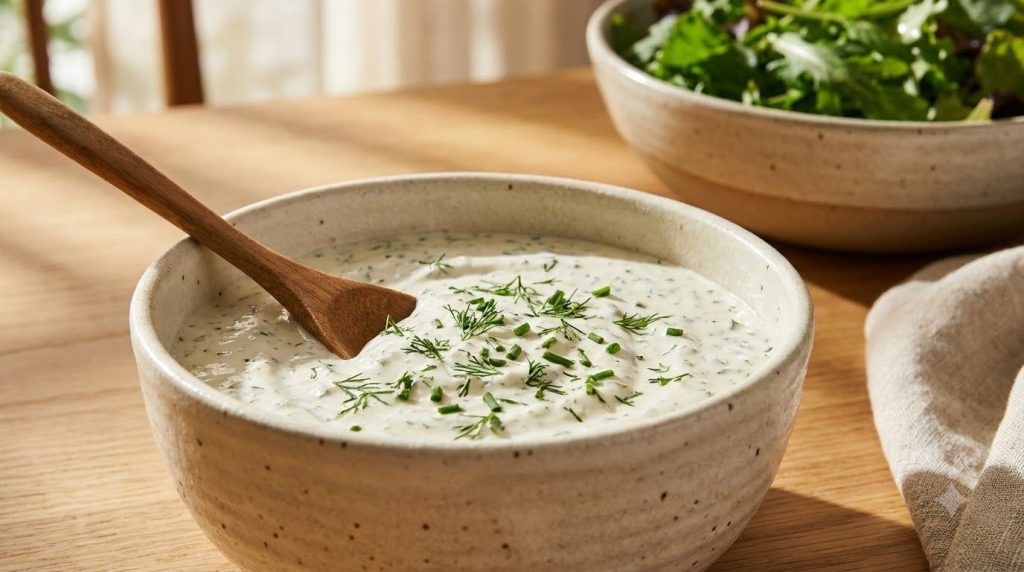
Ingredients for Creamy Ranch Dressing:
- 1/2 cup (120 ml) mayonnaise
- 1/4 cup (60 ml) buttermilk
- 1/4 cup (60 ml) sour cream or plain Greek yogurt
- 1 tbsp (15 ml) fresh chives, finely chopped
- 1 tbsp (15 ml) fresh parsley, finely chopped
- 1 tsp (5 ml) fresh dill, finely chopped (optional)
- 1/2 tsp (2.5 g) garlic powder
- 1/2 tsp (2.5 g) onion powder
- 1/4 tsp (1 g) salt
- Pinch of black pepper
Instructions for Creamy Ranch Dressing:
- In a medium bowl, whisk together the mayonnaise, buttermilk, and sour cream (or Greek yogurt) until smooth.
- Stir in the fresh chives, parsley, dill (if using), garlic powder, onion powder, salt, and pepper.
- Mix thoroughly to combine all the herbs and spices.
- Cover and refrigerate for at least 30 minutes before serving to allow the flavors to meld.
3. Zesty Lemon Herb Dressing
Bright and refreshing, this dressing is fantastic with grilled chicken, seafood, or light summer salads.
Ingredients for Zesty Lemon Herb Dressing:
- 1/4 cup (60 ml) fresh lemon juice (from 1-2 lemons)
- 1/2 cup (120 ml) extra virgin olive oil
- 1 tbsp (15 ml) fresh parsley, finely chopped
- 1 tbsp (15 ml) fresh basil, finely chopped
- 1 tsp (5 ml) fresh oregano, finely chopped
- 1/2 tsp (2.5 g) salt
- 1/4 tsp (1 g) black pepper
Instructions for Zesty Lemon Herb Dressing:
- In a small bowl, combine the fresh lemon juice, chopped parsley, basil, and oregano.
- Slowly whisk in the olive oil until the dressing is well emulsified.
- Season with salt and pepper to taste.
- Serve immediately or refrigerate until ready to use.
4. Creamy Caesar Dressing
Rich and savory, this classic dressing brings a sophisticated flavor to romaine lettuce and croutons.
Ingredients for Creamy Caesar Dressing:
- 1 large egg yolk (or 1-2 tbsp mayonnaise for egg-free)
- 1 tbsp (15 ml) fresh lemon juice
- 1 tsp (5 ml) Dijon mustard
- 1 clove garlic, minced
- 1/2 tsp (2.5 g) Worcestershire sauce
- 1/4 cup (60 ml) grated Parmesan cheese
- 1/2 cup (120 ml) olive oil (light flavored is best)
- Salt and black pepper to taste
Instructions for Creamy Caesar Dressing:
- In a medium bowl, whisk together the egg yolk (or mayonnaise), lemon juice, Dijon mustard, minced garlic, and Worcestershire sauce until smooth.
- Gradually drizzle in the olive oil, whisking continuously, until the dressing emulsifies and thickens.
- Stir in the grated Parmesan cheese.
- Season with salt and black pepper to taste. For a thinner dressing, add a tablespoon or two of water.
5. Sweet & Tangy Honey Mustard
A delightful balance of sweet and tangy, this dressing is perfect for chicken salads, wraps, or as a dipping sauce.
Ingredients for Sweet & Tangy Honey Mustard:
- 1/4 cup (60 ml) Dijon mustard
- 1/4 cup (60 ml) honey
- 2 tbsp (30 ml) apple cider vinegar
- 2 tbsp (30 ml) olive oil
- Salt and black pepper to taste
Instructions for Sweet & Tangy Honey Mustard:
- In a small bowl, combine the Dijon mustard, honey, and apple cider vinegar. Whisk until smooth.
- Slowly drizzle in the olive oil, whisking constantly until the dressing is well combined and emulsified.
- Season with a pinch of salt and black pepper.
6. Balsamic Vinaigrette
A slightly sweeter and richer take on the classic vinaigrette, perfect for salads with fruits, nuts, or roasted vegetables.
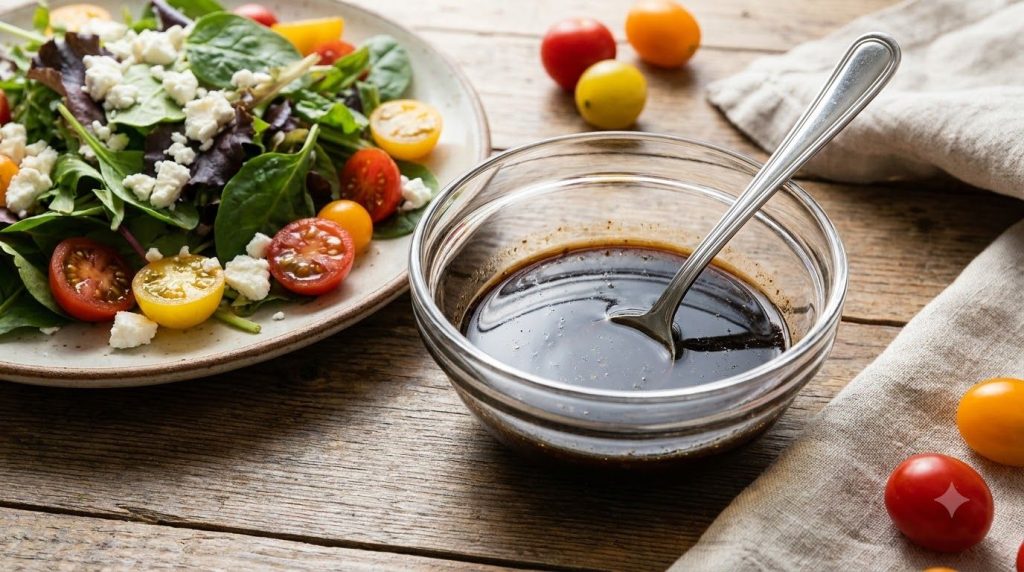
Ingredients for Balsamic Vinaigrette:
- 1/4 cup (60 ml) balsamic vinegar
- 1 tsp (5 ml) Dijon mustard
- 1 small clove garlic, minced (optional)
- 1/2 tsp (2.5 g) salt
- 1/4 tsp (1 g) black pepper
- 1/2 cup (120 ml) extra virgin olive oil
- 1 tsp (5 ml) honey or maple syrup (optional, for added sweetness)
Instructions for Balsamic Vinaigrette:
- In a medium bowl, combine the balsamic vinegar, Dijon mustard, minced garlic (if using), salt, pepper, and honey/maple syrup (if using). Whisk well.
- While continuously whisking, slowly drizzle in the olive oil until the dressing is fully emulsified and smooth.
- Taste and adjust seasoning to your preference.
Pro Tips for the Best Results
- Always Taste and Adjust: Dressings are all about balance. Taste frequently and adjust salt, acid, and sweetness until it’s perfect.
- Emulsify Properly: For creamy or cohesive dressings, slowly drizzle in the oil while whisking vigorously. This creates a stable emulsion.
- Use Fresh Ingredients: Fresh lemon juice, minced garlic, and fresh herbs make an enormous difference in flavor.
- Rest for Flavor: For dressings with garlic or fresh herbs (like ranch), allow them to sit in the refrigerator for at least 30 minutes (or longer) for the flavors to meld and deepen.
- Shake or Whisk Before Serving: Dressings can separate over time. Always give them a good shake or whisk just before drizzling over your salad.
- Don’t Overdress: Start with a small amount of dressing and add more as needed. You want to coat the greens, not drown them.
- Experiment with Oils: While extra virgin olive oil is common, try avocado oil for a milder taste or a nut oil for a specific flavor profile in certain dressings.
Common Mistakes to Avoid
- Adding Oil Too Quickly: Drizzling oil in too fast will prevent proper emulsification, leading to a separated dressing.
- Skipping the Emulsifier: Ingredients like mustard or egg yolks help bind oil and vinegar. Don’t omit them unless you’re aiming for a separated dressing.
- Not Seasoning Enough (or Too Much): Undersalted dressing tastes flat. Over-salted dressing is inedible. Taste as you go!
- Using Dried Herbs When Fresh are Key: While dried herbs have their place, many dressings truly shine with fresh herbs.
- Storing Improperly: Leaving dressings out too long, especially those with dairy or egg, can lead to spoilage. Always use airtight containers and refrigerate.
- Ignoring Ingredient Quality: A good quality olive oil, fresh vinegar, and ripe citrus will make a noticeable difference in your final product.
Variations & Substitutions
- Spice It Up: Add a pinch of red pepper flakes, a dash of hot sauce, or a bit of finely minced jalapeño for a kick.
- Herb Swaps: Don’t have basil? Try oregano or thyme. Feel free to mix and match herbs based on what you have and what pairs well with your salad.
- Creamy Alternatives: For dairy-free creamy dressings, use silken tofu, cashew cream, or a plant-based mayonnaise.
- Sweetener Choices: Agave nectar, brown sugar, or stevia can be substituted for honey or maple syrup.
- Vinegar Explorations: Experiment with different types of vinegar like white balsamic, sherry vinegar, or champagne vinegar to find new favorite flavor profiles.
- Add-ins for Texture: Toasted sesame seeds, poppy seeds, finely chopped nuts, or nutritional yeast can add interesting texture and flavor.
Serving Suggestions
Homemade dressings are incredibly versatile. Beyond traditional green salads, consider these ideas:
- Marinades: Many vinaigrettes make fantastic marinades for chicken, fish, or vegetables before grilling or roasting.
- Grain Bowls: Drizzle over warm quinoa, farro, or rice bowls with roasted vegetables and protein.
- Sandwiches & Wraps: Add a layer of creamy ranch or honey mustard to your favorite sandwiches or wraps.
- Dipping Sauce: Offer ranch or honey mustard as a dip for fresh vegetables, chicken tenders, or potato wedges.
- Pasta Salads: Vinaigrettes are excellent for cold pasta salads with various vegetables and cheeses.
- Potato or Macaroni Salads: Use creamy dressings as the base for these classic comfort salads.
Storage & Reheating
Proper storage is key to enjoying your homemade dressings safely and keeping them fresh.
- Refrigerator Storage: Store all homemade dressings in airtight containers (glass jars with tight-fitting lids are ideal) in the refrigerator.
- Duration:
- Vinaigrettes (oil and vinegar based): Typically last 1-2 weeks.
- Creamy Dressings (with dairy or egg): Generally best within 5-7 days. Always check for off smells or separation before using.
- Freezer Suitability: Most salad dressings do not freeze well due to separation of ingredients upon thawing, especially those with dairy or mayonnaise. Vinaigrettes can sometimes be frozen for longer storage, but their texture might change slightly.
- Reheating: Dressings are not typically reheated. Allow refrigerated dressings to come to room temperature for 10-15 minutes before serving for optimal flavor and pourability. If an oil-based dressing solidifies in the fridge, a quick whisk at room temperature should restore its consistency.
FAQ
Can I make these dressings ahead of time?
Yes, most homemade dressings benefit from being made ahead! This allows the flavors to meld and deepen. Vinaigrettes can be made up to a week in advance, while creamy, dairy-based dressings are best consumed within 3-5 days.
Why did my dressing separate?
Separation is common with oil and vinegar based dressings. It means the oil and vinegar haven’t fully emulsified or have separated over time. A good shake or whisk just before serving will bring them back together.
What is an emulsifier in dressing?
An emulsifier is an ingredient that helps oil and water (or vinegar) mix and stay together. Common emulsifiers in dressings include Dijon mustard, egg yolk, and sometimes even a touch of honey or maple syrup.
Can I use dried herbs instead of fresh?
Yes, you can often substitute dried herbs for fresh ones. A general rule of thumb is to use about one-third the amount of dried herbs compared to fresh, as dried herbs are more potent.
How do I make my dressing thicker?
To thicken a dressing, you can add more emulsifier (like Dijon mustard or an extra egg yolk for Caesar), whisk in a bit more oil (for vinaigrettes), or add a small amount of cornstarch slurry (if heating, though not common for dressings) or a spoonful of plain Greek yogurt or mayonnaise for creamy dressings.
What kind of oil is best for salad dressings?
Extra virgin olive oil is a popular choice for its flavor, but lighter oils like avocado oil, grapeseed oil, or even a neutral vegetable oil can be used, especially if you want the other ingredients to shine without a strong olive oil taste.
Is it better to use fresh garlic or garlic powder?
Fresh garlic offers a more pungent, vibrant flavor. Garlic powder provides a milder, more consistent garlic taste. The choice depends on your preference and the dressing style. For a raw dressing, fresh garlic can be intense, so garlic powder is sometimes preferred.
Recipe Card: Basic Homemade Salad Dressings
Recipe Name: Basic Homemade Salad Dressings Guide
Short Description: Elevate your salads with fresh, customizable homemade dressings like vinaigrettes, creamy ranch, and lemon herb.
Prep Time: 5-10 minutes
Cook Time: 0 minutes
Total Time: 5-10 minutes
Servings: Varies by recipe (approx. 4-6 servings per recipe)
Course: Side Dish, Condiment
Cuisine: American, International
Cooking Method: Whisking, Mixing
Ingredients:
- For Vinaigrettes:
- Oils (e.g., olive oil, avocado oil)
- Acids (e.g., red wine vinegar, balsamic vinegar, lemon juice)
- Emulsifier (e.g., Dijon mustard)
- Seasonings (e.g., salt, black pepper, minced garlic, dried/fresh herbs)
- Optional Sweetener (e.g., honey, maple syrup)
- For Creamy Dressings:
- Creamy Base (e.g., mayonnaise, sour cream, Greek yogurt, buttermilk)
- Acids (e.g., lemon juice, vinegar)
- Flavorings (e.g., fresh/dried herbs, garlic powder, onion powder)
- Seasonings (e.g., salt, black pepper)
Instructions:
- Combine Base Ingredients: In a bowl, combine the chosen acid (for vinaigrettes) or creamy base (for creamy dressings) with any initial flavorings like mustard, minced garlic, or dry seasonings. Whisk thoroughly.
- Emulsify (Vinaigrettes): Slowly drizzle in the oil while continuously whisking until the dressing is well combined and slightly thickened.
- Mix (Creamy Dressings): Stir in any remaining fresh herbs or ingredients until evenly distributed.
- Taste & Adjust: Taste the dressing and adjust salt, pepper, sweetness, or acidity as needed to achieve your desired flavor balance.
- Chill & Serve: For best results, cover and refrigerate for at least 30 minutes to allow flavors to meld. Whisk or shake well before serving.
Notes:
This recipe card provides a general guide. For specific ingredient quantities and detailed instructions for Classic Vinaigrette, Creamy Ranch, Zesty Lemon Herb, Creamy Caesar, Sweet & Tangy Honey Mustard, and Balsamic Vinaigrette, please refer to the detailed sections within the main article above.
Storage:
Store homemade dressings in airtight containers in the refrigerator. Vinaigrettes last 1-2 weeks; creamy dressings last 5-7 days. Not suitable for freezing.
Nutrition:
Nutrition information is an estimate and may vary significantly depending on the specific ingredients, quantities, and brands used for each individual dressing recipe.