Most people enjoy the sweet, juicy flesh of a pineapple and quickly discard the leafy crown. What many don’t realize is that these often-overlooked leaves hold a surprising secret: they can be brewed into a soothing and beneficial tea. Turning what’s usually considered waste into a wellness wonder isn’t just eco-friendly; it’s a practical way to harness more from nature’s bounty.
What It Is: Pineapple Leaf Tea
Pineapple leaf tea is exactly what it sounds like – a beverage made by steeping or simmering the leaves from the top of a pineapple. While the fruit is famous for its bromelain content, the leaves also contain a range of compounds that have been traditionally valued in various cultures for their potential to support overall well-being. This isn’t a new-age fad; indigenous practices in different parts of the world have long recognized the utility of the entire pineapple plant.
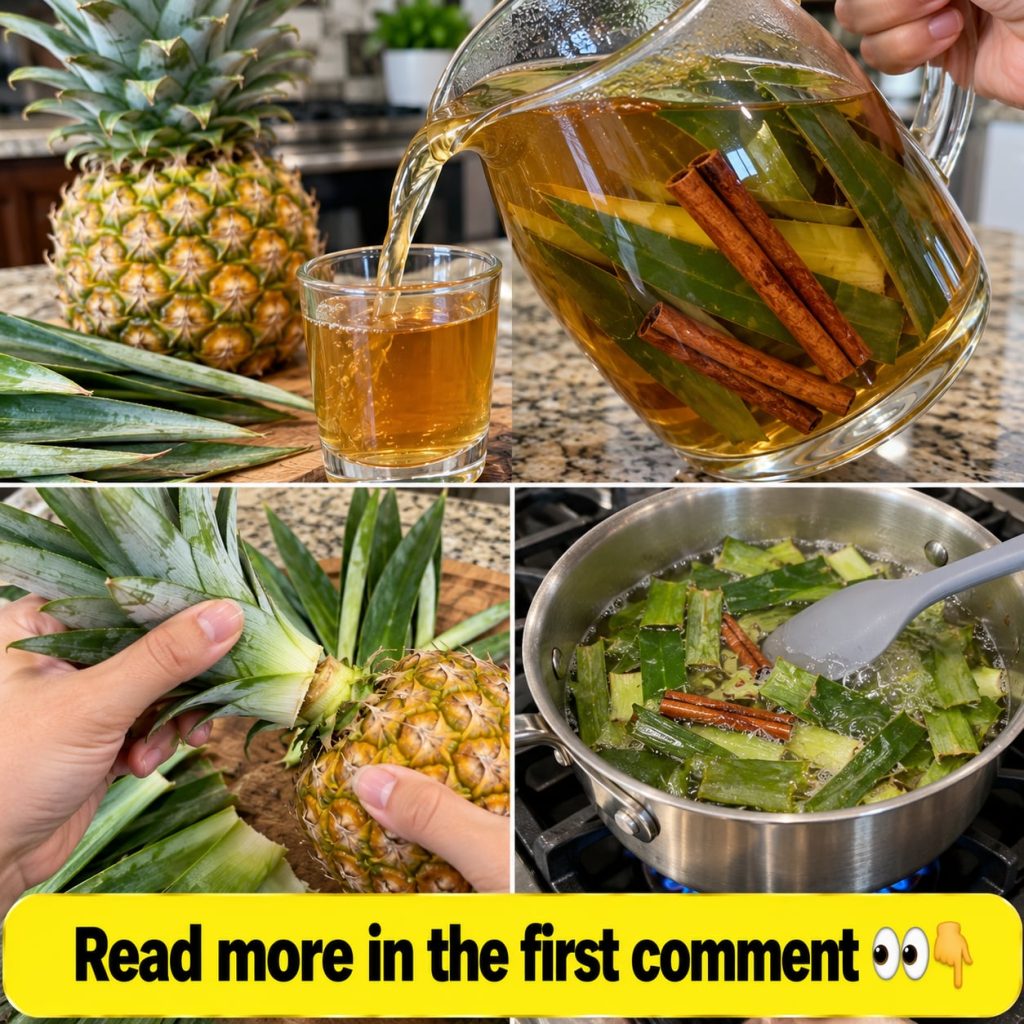
Ingredients for Your Pineapple Leaf Tea
Making this tea requires very few items, focusing primarily on the star ingredient: pineapple leaves.
- Pineapple Leaves: The crown from one ripe, fresh pineapple.
- Water: 4-6 cups of filtered or spring water.
- Optional Additions: Honey, ginger, lemon, or a pinch of cinnamon for flavor.
Approximate Measurements
- Leaves: The entire crown (typically 15-20 leaves).
- Water: For one crown, 4-6 cups is a good starting point, yielding a mild to moderately strong tea.
- Optional: 1-2 slices of fresh ginger, half a lemon (juiced or sliced), 1 teaspoon honey to taste.
Step-by-Step Method for Brewing
The process is straightforward, but a few key steps ensure you get the most out of your pineapple leaves.
-
Prepare the Pineapple Crown:
- Twist and Remove: Firmly grasp the base of the pineapple crown and twist it off the fruit.
- Peel and Clean: Remove the bottom few layers of small leaves from the crown to expose the core. Use a stiff brush to gently scrub the remaining leaves under running water to remove any dirt or potential pesticide residues.
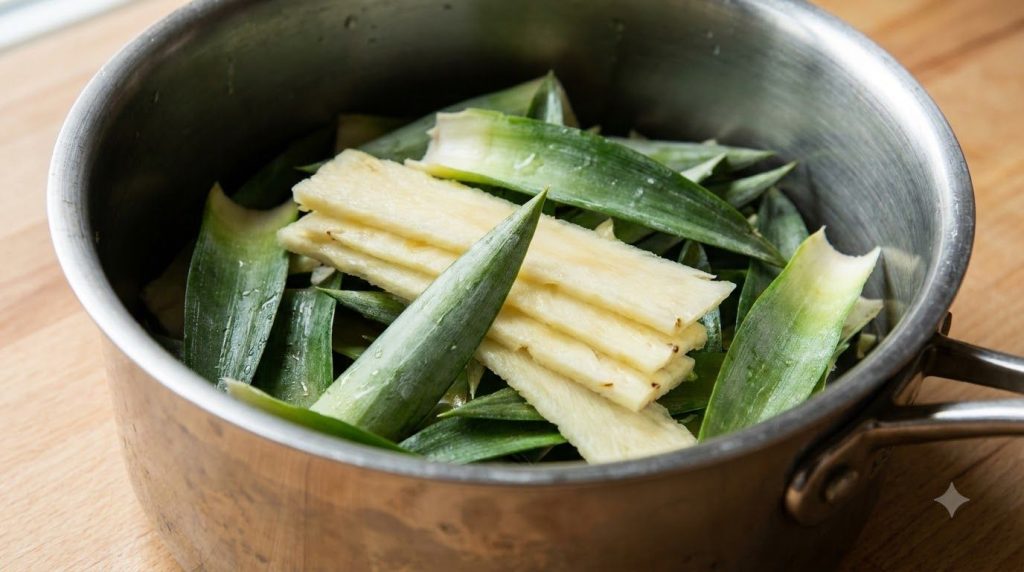
- Chop: Carefully cut the clean leaves into smaller pieces, about 1-2 inches long. You can also slice the core of the crown into thin rounds.
-
Boil and Simmer:
- Place the chopped pineapple leaves and core pieces into a saucepan.
- Add 4-6 cups of water. If adding ginger, include it now.
- Bring the water to a rolling boil over medium-high heat.
- Once boiling, reduce the heat to low, cover the pot, and let it simmer for 20-30 minutes. This slow simmer allows the beneficial compounds to extract into the water.
-
Strain and Serve:
- Remove the saucepan from the heat.
- Carefully strain the tea through a fine-mesh sieve into a mug or a heat-proof pitcher, discarding the spent leaves.
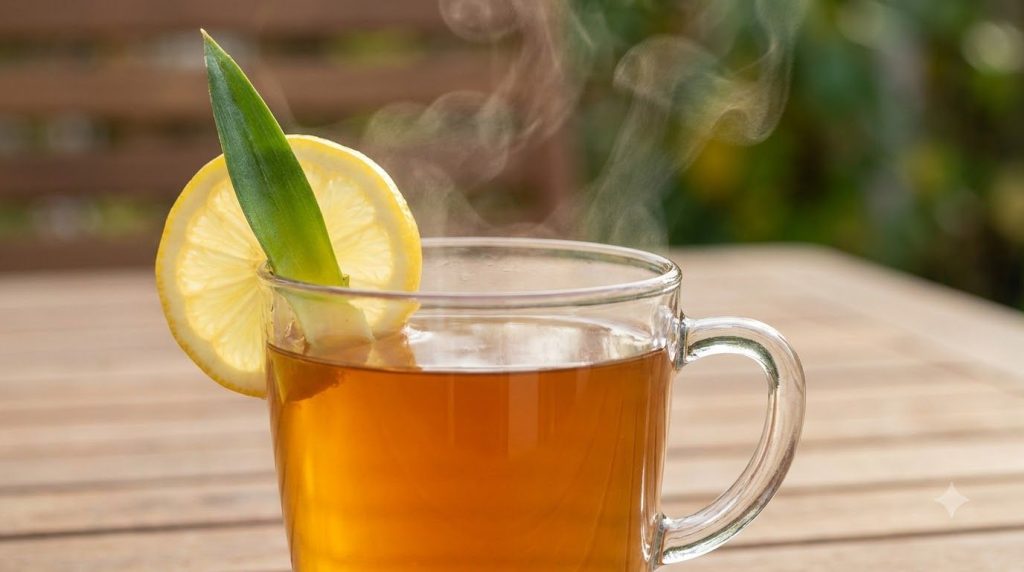
- Allow the tea to cool slightly before drinking. Add honey, lemon, or cinnamon to taste, if desired.
How to Use Your Pineapple Leaf Tea
This tea can be enjoyed warm or chilled. Many find it particularly soothing as a warm beverage, especially during cooler months or when seeking comfort. For a refreshing twist, chill it and serve over ice with a slice of lemon.
How Often to Use
Pineapple leaf tea is generally safe for regular consumption. You can enjoy 1-2 cups daily, depending on your preference and how your body responds. As with any new addition to your diet, observe how you feel and adjust as needed.
Quick Tip: Fresh vs. Dried Leaves
While this guide focuses on fresh leaves, you can also dry pineapple leaves for later use. Spread clean, chopped leaves on a tray and air dry or use a dehydrator until completely brittle. Store in an airtight container.
| Feature | Fresh Pineapple Leaves | Dried Pineapple Leaves |
|---|---|---|
| Availability | Seasonal, when you buy a pineapple | Year-round, can be stored |
| Flavor Profile | Fresher, slightly greener taste | More concentrated, earthy flavor |
| Preparation | Chop and brew immediately | Requires drying process first, then brew |
| Potency | Good, mild extraction | Often more potent per weight due to water removal |
| Storage | Short-term (fridge) | Long-term (airtight container) |
How to Buy / How to Choose Ingredients
The key to good pineapple leaf tea starts with selecting the right pineapple. Look for a fresh pineapple with a vibrant, green crown. The leaves should appear healthy, firm, and free from any signs of wilting, browning, or mold. Crucially, try to source organic pineapples if possible, as conventional pineapples may be treated with pesticides that can linger on the leaves. If organic isn’t an option, be extra diligent in washing the leaves thoroughly.
You may also like: Learn how to make a potent ginger tea for digestion.
Storage
- Fresh Pineapple Crown: If you’re not brewing immediately, you can store the entire pineapple crown (still attached to the fruit or separated) in the refrigerator for a few days.
- Prepared Tea: Brewed pineapple leaf tea can be stored in an airtight container in the refrigerator for up to 3 days. It’s best enjoyed fresh, but a chilled batch is perfect for a quick cool-down.
Practical Tips for Best Results
- Thorough Washing: Always wash the leaves thoroughly, especially if not organic.
- Slight Bruising: Gently crush or bruise the leaves slightly before simmering to help release more compounds.
- Experiment with Simmer Time: For a stronger tea, you can simmer for up to 45 minutes, but keep an eye on the water level.
- Compost the Remains: Once you’ve brewed your tea, the spent leaves are excellent for composting, continuing the waste-not cycle.
Common Mistakes to Avoid
Even a simple remedy can go wrong with a few missteps:
- Using Unwashed Leaves: Failing to thoroughly wash the leaves can mean consuming dirt or pesticide residues. Always scrub them clean.
- Boiling Too Briefly: A quick steep won’t extract enough of the beneficial compounds. A simmer of at least 20 minutes is crucial.
- Using Wilted or Moldy Leaves: Only use fresh, healthy-looking leaves. Wilted or discolored leaves won’t yield a good tea and could potentially be harmful.
- Discarding the Core: The very base of the crown, where the leaves meet the fruit, contains concentrated goodness. Don’t throw it away; slice it up and simmer it with the leaves.
- Over-Boiling: While simmering is good, boiling aggressively for too long can sometimes degrade delicate compounds or lead to a bitter taste. A gentle simmer is best.
Cautions / Who Should Avoid It
Pineapple leaf tea is generally considered safe for most healthy individuals. However, it’s always wise to exercise caution:
- Pregnancy and Breastfeeding: As with many herbal remedies, consult a healthcare professional before consuming if pregnant or breastfeeding.
- Medication Interactions: If you are on any medications, particularly blood thinners, consult your doctor. Some compounds in pineapple may interact.
- Allergies: If you have an allergy to pineapple, avoid consuming the leaves.
- Digestive Sensitivity: Start with smaller amounts if you have a sensitive digestive system, as some people might experience mild gastrointestinal upset.
Quick Summary: Your Guide to Pineapple Leaf Tea
- Best Preparation: Simmering cleaned, chopped fresh pineapple leaves and core for 20-30 minutes.
- Best Use-Case: A daily wellness beverage for general well-being and hydration.
- Storage: Fresh leaves in the fridge for a few days; brewed tea in the fridge for up to 3 days.
- When to Use: Anytime you desire a warm, comforting, or cool, refreshing drink.
- What to Avoid: Unwashed, wilted, or moldy leaves; skipping the simmering step; using heavily pesticide-treated pineapples.
Related remedy: Discover how to make a brightening turmeric face mask.
Frequently Asked Questions (FAQ)
- Can I use fresh or dried pineapple leaves?
- You can use both! This guide focuses on fresh, but dried leaves can also be brewed, often requiring a similar simmering time.
- How long does pineapple leaf tea last?
- Brewed tea can be refrigerated for up to 3 days in an airtight container.
- Can I freeze the pineapple leaves?
- Yes, you can wash, chop, and freeze fresh pineapple leaves for later use. They can then be added directly to boiling water.
- What part of the crown is best for tea?
- All the healthy green leaves, along with the sliced core from the base of the crown, are suitable.
- Can I reuse the leaves for another batch?
- While you can try, the second brew will be significantly weaker as most compounds would have been extracted in the first simmer.
- When should I avoid pineapple leaf tea?
- Avoid if pregnant, breastfeeding, on blood thinners, or allergic to pineapple, without consulting a doctor.
- Does pineapple leaf tea contain caffeine?
- No, pineapple leaf tea is naturally caffeine-free, making it a great option for any time of day.
By simply keeping the pineapple crown and turning it into a nourishing tea, you’re embracing a resourceful approach to wellness. It’s a small, sustainable act that delivers a surprisingly pleasant and potentially beneficial drink. So next time you cut into a pineapple, remember the hidden power in its crown – don’t throw it away!
