Most people think of cucumbers as a simple salad staple, good for a crunchy snack or a refreshing drink. But what if a much smaller, wilder cousin held secrets for your skin that many overlook? While it might not be the common garden variety, Melothria scabra, often known as Mexican Sour Gherkin or Mouse Melon, is gaining attention not just for its charmingly tiny fruit, but for its potential in natural skincare. If you’ve ever dismissed these miniature ‘cucumbers’ as merely ornamental, you’re about to discover how they can become a practical addition to your natural beauty routine.
We’re diving into a simple, DIY preparation that harnesses the soothing and hydrating properties of this often-underestimated plant, turning it into a refreshing facial compress or rinse. Forget complex ingredients; sometimes, the best remedies come from nature’s most unassuming packages.
What is Melothria Scabra?
Melothria scabra is a vining plant native to Mexico and Central America, producing adorable grape-sized fruits that resemble miniature watermelons, hence its common names like Mexican Sour Gherkin, Mouse Melon, or Cucamelon. While botanically distinct from true cucumbers (*Cucumis sativus*), it belongs to the same family, Cucurbitaceae, sharing some of the hydrating and cooling characteristics associated with its larger relatives. Historically, it has been primarily cultivated for its edible fruits, which offer a refreshing, slightly sour taste. However, like many plants in its family, the leaves and fruits also contain compounds that can be beneficial for topical applications, particularly for soothing and revitalizing the skin.
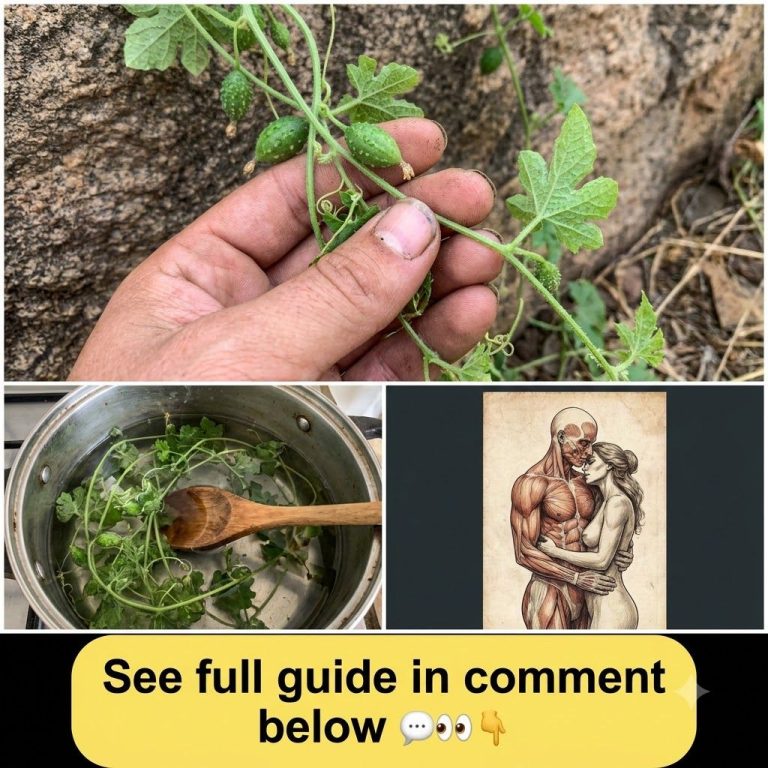 Melothria scabra, also known as Mexican Sour Gherkin or Mouse Melon, produces tiny, edible fruits.
Ingredients for a Soothing Melothria Scabra Facial Rinse
Creating your own natural facial rinse from Melothria scabra is surprisingly straightforward, requiring minimal ingredients. The key is to ensure the plant material is fresh and clean to get the most out of its natural properties.
- Fresh Melothria scabra: Approximately 1 cup of a mix of fruits and tender leaves.
- Distilled Water: 2 cups (or filtered water if distilled is unavailable).
Quick Tip: Fresh vs. Dried
For this particular remedy, fresh Melothria scabra is highly recommended. The hydrating and cooling properties are most potent when the plant material is used directly from the vine. Dried versions may lose some of the essential water content and delicate compounds that contribute to its skin-soothing benefits.
Approximate Measurements
The measurements provided are a good starting point. You can adjust the quantity of plant material based on the desired concentration, but for sensitive skin, it’s always better to start with a milder infusion.
- 1 cup Melothria scabra (fruits and leaves)
- 2 cups Distilled Water
Formula / Recipe: Melothria Scabra Infusion
This recipe creates a simple, gentle infusion suitable for a facial rinse or compress. The goal is to extract the plant’s beneficial essences without excessive heat, which could degrade delicate compounds.
Step-by-Step Method
- Preparation: Thoroughly wash the fresh Melothria scabra fruits and leaves under cool, running water. Gently pat them dry with a clean cloth.
- Chop: Roughly chop the fruits and leaves. This increases the surface area, allowing for better extraction of their beneficial components during the infusion process.
- Combine: Place the chopped Melothria scabra into a clean, heat-resistant bowl or glass jar.
- Heat Water: In a saucepan, bring 2 cups of distilled water to a gentle simmer. Do not bring it to a rolling boil, as excessively hot water can sometimes degrade the plant’s delicate compounds.
- Infuse: Pour the hot (but not boiling) water over the chopped Melothria scabra in the bowl.
- Steep: Cover the bowl with a lid or plate to trap the steam and beneficial volatile compounds. Allow the mixture to steep for at least 30 minutes, or until it has cooled completely to room temperature. For a stronger infusion, you can let it steep for up to an hour.
- Strain: Once cooled, strain the liquid through a fine-mesh sieve or cheesecloth into a clean container. Gently press the plant material to extract any remaining liquid. Discard the spent plant material.
- Cool: For an extra refreshing effect, place the strained liquid in the refrigerator for at least 30 minutes before use.
How to Use Your Melothria Scabra Rinse
This gentle infusion is perfect for soothing and refreshing your skin, particularly after sun exposure or just as a daily tonic.
- As a Facial Rinse: After cleansing your face, pour a small amount of the cooled infusion into your hands and gently pat it onto your face. You can also use a clean spray bottle to mist it over your skin. Let it air dry or gently pat with a clean towel.
- As a Compress: Soak a clean cotton pad or soft cloth in the chilled infusion. Wring out any excess liquid and apply it to your face, particularly areas needing soothing. Relax for 10-15 minutes.
How Often to Use
You can use the Melothria scabra facial rinse or compress daily, or as needed. Its gentle nature makes it suitable for regular application, especially during warmer months or when your skin feels irritated or tired. Start with once a day and observe how your skin responds.
How to Buy / How to Choose Ingredients
Finding fresh Melothria scabra might require a bit of effort, as it’s not a common supermarket item.
- Foraging: If you’re confident in your plant identification skills and know of a clean, unsprayed area, you might be able to forage for wild plants. Always be 100% sure of your identification before using any wild plant.
- Gardening: Melothria scabra is relatively easy to grow from seed. Many online seed retailers offer ‘Mouse Melon’ or ‘Cucamelon’ seeds. Growing your own ensures a pesticide-free and fresh supply.
- Farmers’ Markets: During late summer and early fall, you might find fresh fruits at specialty farmers’ markets or ethnic grocery stores.
Common Mistake: Misidentification
There are several plants referred to as ‘wild cucumber.’ Ensure you are specifically using Melothria scabra and not another species, as their properties can vary significantly. Always double-check botanical names.
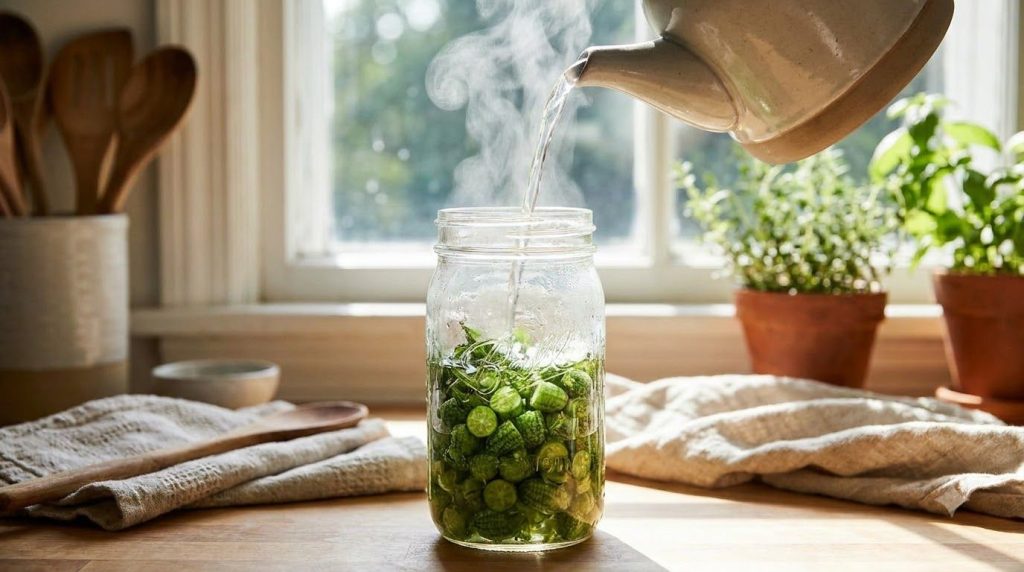 A simple infusion extracts the natural goodness from Melothria scabra.
Storage
Proper storage is crucial for maintaining the freshness and efficacy of your homemade rinse.
- Refrigeration: Store the strained Melothria scabra infusion in a clean, airtight glass bottle or jar in the refrigerator.
- Shelf Life: It will typically last for 3-5 days. If it develops any unusual odor, discoloration, or cloudiness, discard it immediately.
Practical Tips
- Patch Test: Before applying the rinse to your entire face, always perform a patch test on a small, inconspicuous area of your skin (e.g., behind your ear or on your inner forearm) to check for any allergic reactions.
- Gentle Pressing: When straining, avoid aggressively squeezing the plant material, as this can release bitter compounds or fine particles into your rinse.
- Combine with Other Ingredients: For added benefits, you can experiment by adding a few drops of pure rose water or a very small amount of aloe vera gel to your cooled rinse.
Common Mistakes
- Using Pesticide-Treated Plants: Never use Melothria scabra from areas known to be sprayed with pesticides or herbicides. This can introduce harmful chemicals to your skin.
- Boiling Too Vigorously: A gentle simmer and steeping are key. Boiling the plant material aggressively can destroy heat-sensitive compounds and reduce the efficacy of your rinse.
- Improper Storage: Leaving the infusion out at room temperature or storing it for too long can lead to bacterial growth, rendering it unsafe for use.
- Skipping the Strain: Bits of plant material can irritate the skin or lead to quicker spoilage of the liquid.
Cautions / Who Should Avoid It
While generally considered safe for topical use, certain precautions should be taken:
- Allergies: If you have known allergies to cucumbers, melons, or other plants in the Cucurbitaceae family, perform a patch test carefully or avoid use.
- Sensitive Skin: While gentle, individuals with extremely sensitive skin should proceed with caution and monitor for any irritation.
- Open Wounds/Broken Skin: Avoid applying the rinse to open cuts, wounds, or severely irritated skin.
- Internal Use: This article focuses solely on topical application. While the fruits are edible, it’s always best to consult with a qualified herbalist or healthcare professional before using any plant for internal medicinal purposes, especially the leaves, as scientific data on the internal medicinal use of Melothria scabra is limited.
Quick Summary
Best PreparationBest Use-CaseStorageWhen to UseWhat to AvoidSimple InfusionSoothing & Refreshing Facial Rinse/CompressRefrigerated, airtight container (3-5 days)Daily, after sun exposure, or for tired skinPesticide-treated plants, vigorous boiling, internal use (without expert advice)
FAQ
Here are some common questions about using Melothria scabra for skincare:
- Can I use only the fruits, or only the leaves?
- For this rinse, a mix of fruits and tender leaves is ideal, as both contain beneficial compounds. If you only have fruits, you can still make a refreshing rinse.
- How long does the facial rinse last?
- When stored in the refrigerator in an airtight container, it typically lasts for 3-5 days.
- Can I freeze it for longer storage?
- Freezing is not recommended for this type of delicate infusion, as it can alter the texture and efficacy. It’s best to prepare small, fresh batches.
- Is it safe for all skin types?
- It’s generally gentle, but a patch test is always recommended, especially for very sensitive skin.
- Can I add essential oils to the rinse?
- While you can, it’s best to keep the initial remedy pure to observe the effects of Melothria scabra alone. If adding essential oils, use only 1-2 drops of skin-safe oils like lavender or frankincense per cup of rinse, and always dilute properly.
- What part of the plant is best for this remedy?
- Both the small fruits and the tender, young leaves are suitable for making the infusion.
- When should I avoid using this remedy?
- Avoid if you have known allergies to cucurbits, have broken or severely irritated skin, or if you notice any adverse reaction during a patch test.
Conclusion
Nature often provides simple, effective solutions right under our noses, or in this case, on a humble vine. The unassuming Melothria scabra, or Mexican Sour Gherkin, offers a refreshing and gentle way to support your skin’s natural balance. By taking a few moments to prepare a simple infusion, you can create a beautiful, natural facial rinse that soothes, hydrates, and revitalizes. Embrace the practical power of this tiny fruit and let its quiet strength become a secret weapon in your natural skincare arsenal. Just remember to prioritize freshness, proper preparation, and always listen to your skin’s unique needs.