Are you dreaming of a thriving garden filled with lush plants, vibrant flowers, or bountiful vegetables? Often, the secret to a successful garden lies right beneath your feet: healthy soil! But what if your soil isn’t cooperating? Don’t fret! Before you reach for expensive amendments, take a peek into your kitchen. Many everyday kitchen staples can be transformed into powerful, eco-friendly solutions for common garden soil problems.
At Garden – L. Quyên, we believe in simple, sustainable, and effective gardening. That’s why we’re excited to share how you can unlock your garden’s potential using things you likely already have in your pantry or compost bin. Let’s dig in!
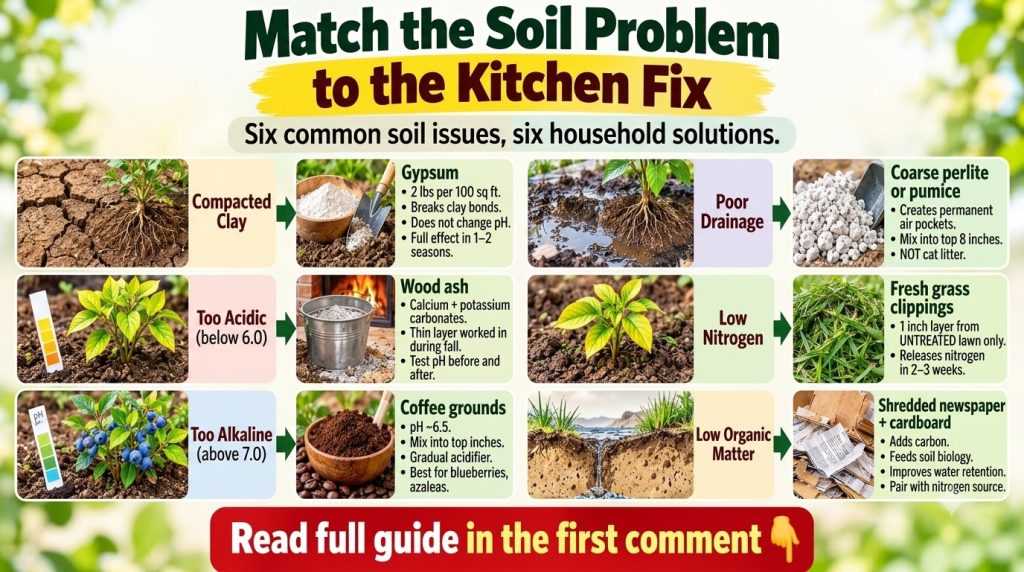
Common Soil Problems and Their Kitchen Solutions
1. Compacted Soil: The Hard Truth
Does your soil feel like concrete? Compacted soil makes it difficult for roots to penetrate, water to drain, and air to circulate, suffocating your plants. This is a common issue, especially in high-traffic areas or gardens with heavy clay content.
The Kitchen Fix: Coffee Grounds and Shredded Paper
- Coffee Grounds: These aren’t just for your morning brew! Spent coffee grounds add valuable organic matter to your soil, improving its structure over time. They help loosen heavy clay and bind sandy soils, creating a more airy environment for roots. Just sprinkle them directly onto the soil surface and gently rake them in, or add them to your compost pile.
- Shredded Paper/Cardboard: Old newspapers (black and white ink only) and uncolored cardboard (remove tape and labels) can be shredded and mixed into the soil. They add carbon, break down, and help to aerate compacted areas, fostering beneficial microbial activity.
2. Poor Drainage: Soggy Situations
If water pools on your garden beds after rain or watering, you likely have a drainage problem. This can lead to root rot and other moisture-related issues, as plant roots need oxygen as much as water.
The Kitchen Fix: Embrace Organic Matter (Again!)
The same heroes that combat compacted soil also come to the rescue for poor drainage. Adding plenty of organic matter is the best way to improve soil structure and allow water to percolate through more effectively.
- Coffee Grounds: Their fine texture and organic content help create pockets for air and water to move through.
- Composted Kitchen Scraps: A rich compost made from fruit and vegetable peels, eggshells, and other kitchen waste significantly improves soil structure, enhancing both drainage and water retention (a balance often misunderstood!).
3. Nutrient Deficiencies: Hungry Plants
Is your plant growth stunted, or are the leaves looking pale, yellow, or discolored? Your soil might be lacking essential nutrients, which are the building blocks for healthy plant growth.
The Kitchen Fix: Homemade Fertilizers
- Banana Peels: Rich in potassium, essential for flowering and fruiting. Chop banana peels into small pieces and bury them near the base of potassium-loving plants like tomatoes, peppers, or roses.
- Eggshells: A fantastic source of calcium, which prevents blossom end rot in tomatoes and strengthens cell walls. Crush them thoroughly (the finer, the better for quicker breakdown) and mix them into your soil or compost.
- Coffee Grounds: Besides improving soil structure, they add a mild dose of nitrogen, which promotes leafy green growth.
- Used Tea Leaves: Similar to coffee grounds, used tea leaves (especially green tea) can add nitrogen and other trace minerals.
4. pH Imbalance: Acid or Alkaline?
Soil pH (acidity or alkalinity) dramatically affects nutrient availability. Most plants prefer a slightly acidic to neutral pH (6.0-7.0), but some thrive in more extreme conditions. An imbalanced pH can lock up nutrients, even if they’re present in the soil.
The Kitchen Fix: Adjusting pH Naturally
- To Lower pH (make more acidic): Coffee grounds are mildly acidic and can help gradually lower soil pH, benefiting acid-loving plants like blueberries, azaleas, and rhododendrons.
- To Raise pH (make more alkaline): Crushed eggshells slowly release calcium carbonate, gently raising pH over time. Wood ash (from untreated wood) can also be used sparingly to raise pH, but it’s potent, so use with caution and only if you know your soil needs it.
5. Pest Deterrence: Natural Protectors
While not strictly a ‘soil problem,’ many common garden pests reside in or are attracted to the soil. Using chemical solutions can harm beneficial insects and soil microbes. Your kitchen offers gentler alternatives.
The Kitchen Fix: Repelling Unwanted Guests
- Garlic or Chili Water Spray: A homemade spray made from minced garlic or chili peppers steeped in water can deter a wide range of pests when sprayed on foliage. While not directly for soil, healthier soil grows stronger plants more resistant to pests.
- Crushed Eggshells: The sharp edges of crushed eggshells sprinkled around plant bases can deter slugs and snails, which don’t like crawling over them.
- Coffee Grounds: Some gardeners report that a ring of coffee grounds around plants can deter slugs and snails.
6. Lack of Organic Matter: The Foundation of Fertility
This isn’t a single problem but often the root cause of many others. Soil rich in organic matter holds moisture better, has better drainage, provides nutrients, and supports a thriving ecosystem of beneficial microbes.
The Kitchen Fix: Composting Your Scraps
The ultimate kitchen fix for soil health is composting. Turning your vegetable peels, fruit cores, coffee grounds, eggshells, and other plant-based kitchen waste into nutrient-rich compost creates the best possible amendment for any garden soil. A well-managed compost pile is a gardener’s best friend!
Tips for Success
- Start Small: Don’t try to fix everything at once. Pick one or two problems and experiment with a kitchen solution.
- Observe Your Plants: Your plants are the best indicators of what your soil needs. Pay attention to their growth and appearance.
- Test Your Soil: For more precise information on pH and nutrient levels, consider a simple home soil test kit. This can guide your amendments more accurately.
- Consistency is Key: Regular application of organic matter and kitchen-based amendments will yield the best long-term results.
Transforming your garden soil doesn’t have to be complicated or expensive. With a little creativity and a trip to your kitchen, you can cultivate a healthier, happier garden using sustainable and natural methods. Happy gardening!