Hey, beauty besties! Ever found yourself rummaging through your pantry, excited to whip up a fantastic DIY face mask, only to stare at two similar-looking white powders and wonder… which one is which? 😅 We’ve all been there! It’s incredibly easy to confuse some common white powders or clear liquids in our cabinets, especially when we’re in a hurry or trying a new recipe.
But here’s the thing: knowing exactly what you’re using is super key! It’s not just about getting those amazing glowing skin results we all crave, but also about keeping your skin happy, healthy, and safe. A simple mix-up could turn a nourishing treat into an unexpected skin woe. No more beauty blunders for us!
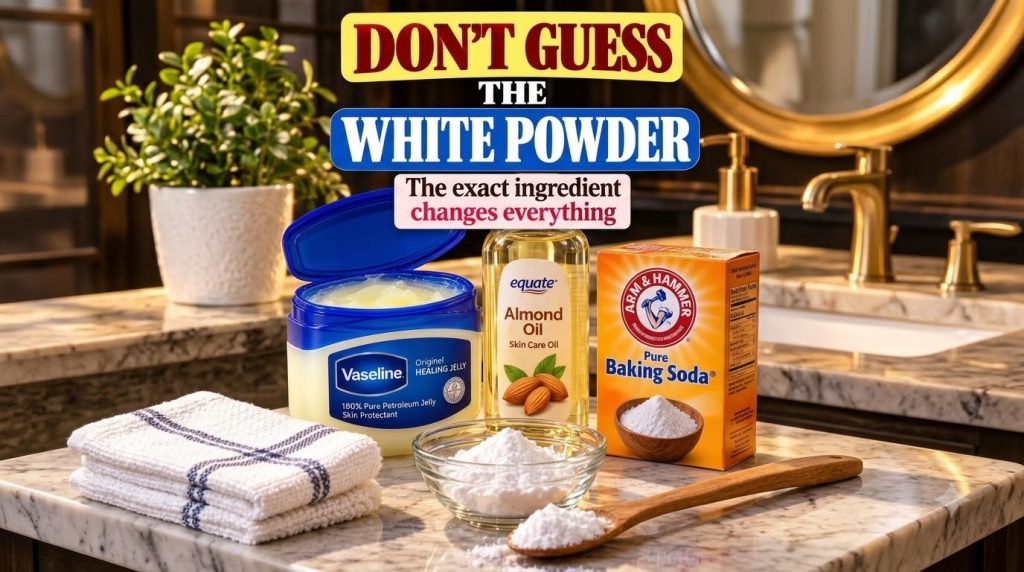
Why ‘White Powder’ Isn’t Always Just ‘White Powder’
From kitchen staples to specialized beauty ingredients, many beneficial powders look strikingly similar. But their chemical compositions and effects on your skin can be wildly different. Using the wrong one can lead to irritation, dryness, breakouts, or simply an ineffective treatment.
Common White Powders and Their True Powers (and Pitfalls!)
- Baking Soda (Sodium Bicarbonate): Often touted for its exfoliating properties, baking soda is highly alkaline. While it can be useful in very diluted solutions for specific purposes (like a foot soak), it’s generally too harsh for delicate facial skin. Using it regularly on your face can disrupt your skin’s natural pH barrier, leading to dryness, irritation, and even breakouts. Stick to using it for household cleaning or occasional body scrubs, not your face!
- Cornstarch: This fine, white powder is a gentle absorbent and can be wonderful for mattifying oily skin or as a base for DIY dry shampoo. It’s much milder than baking soda and can be a good option for sensitive skin. However, it doesn’t offer deep exfoliation or treatment benefits.
- Rice Flour: A fantastic ingredient in many Asian beauty traditions, rice flour offers gentle physical exfoliation, helps to brighten the complexion, and can be soothing. It’s often used in face masks for a radiant glow and smoother skin texture.
- Kaolin Clay (White Clay): One of the gentlest clays, kaolin is excellent for absorbing excess oil, purifying pores, and detoxifying without stripping the skin. It’s suitable for almost all skin types, including sensitive skin, and leaves your skin feeling soft and refreshed.
- Arrowroot Powder: Similar to cornstarch, arrowroot powder is a light, absorbent powder that can be used to control oil, soothe skin, or even in homemade deodorants. It’s generally non-comedogenic and gentle.
Tips to Avoid DIY Beauty Blunders
Ready to make sure your next DIY beauty session is a success? Here are some simple tips from your beauty bestie:
-
Label, Label, Label!
This is probably the most crucial tip! If you transfer ingredients from their original packaging into clear jars or containers, make sure to clearly label them immediately. Include the name of the ingredient and, if possible, the purchase date.
-
Store Smartly
Keep your beauty ingredients separate from your cooking ingredients if possible. Designate a specific shelf or drawer in your bathroom or pantry just for your DIY beauty supplies. This helps prevent accidental mix-ups.
-
Double-Check Before Mixing
Before you start combining ingredients, take an extra moment to read the label. Is that really baking soda or cornstarch? A quick glance can save you a lot of trouble.
-
Patch Test Always
Even when you’re sure of your ingredients, it’s always a good idea to perform a patch test on a small, inconspicuous area of your skin (like behind your ear or on your inner arm) before applying a new DIY mixture to your entire face. This helps ensure you don’t have an allergic reaction or sensitivity.
-
Follow Reliable Recipes
When trying new DIY beauty hacks, always refer to trusted sources and recipes. They’ll guide you on the correct ingredients and their proper ratios.
Your Skin Deserves the Best!
Empowering ourselves with knowledge is the best beauty tip there is! By being mindful of the ingredients we use, we can ensure our DIY beauty routines are both effective and safe. Your skin will thank you for the extra care and attention!
We’d love to hear from you! What’s one ingredient you’ve almost mistaken for another, or a funny DIY beauty blunder you’ve learned from? Share your stories in the comments below! 👇