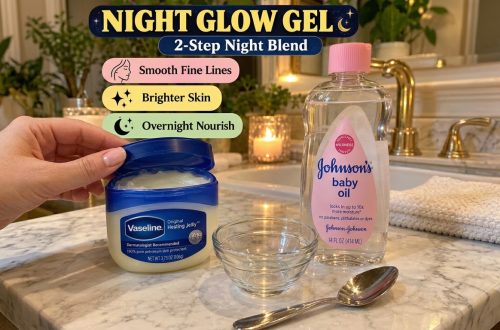
Petroleum jelly, often known by the brand name Vaseline, is a versatile staple that can be easily transformed into powerful beauty solutions for both skin and hair. Moving beyond its basic moisturizing properties, you can combine it with other common ingredients to create effective home remedies that support a fresher, more radiant appearance.
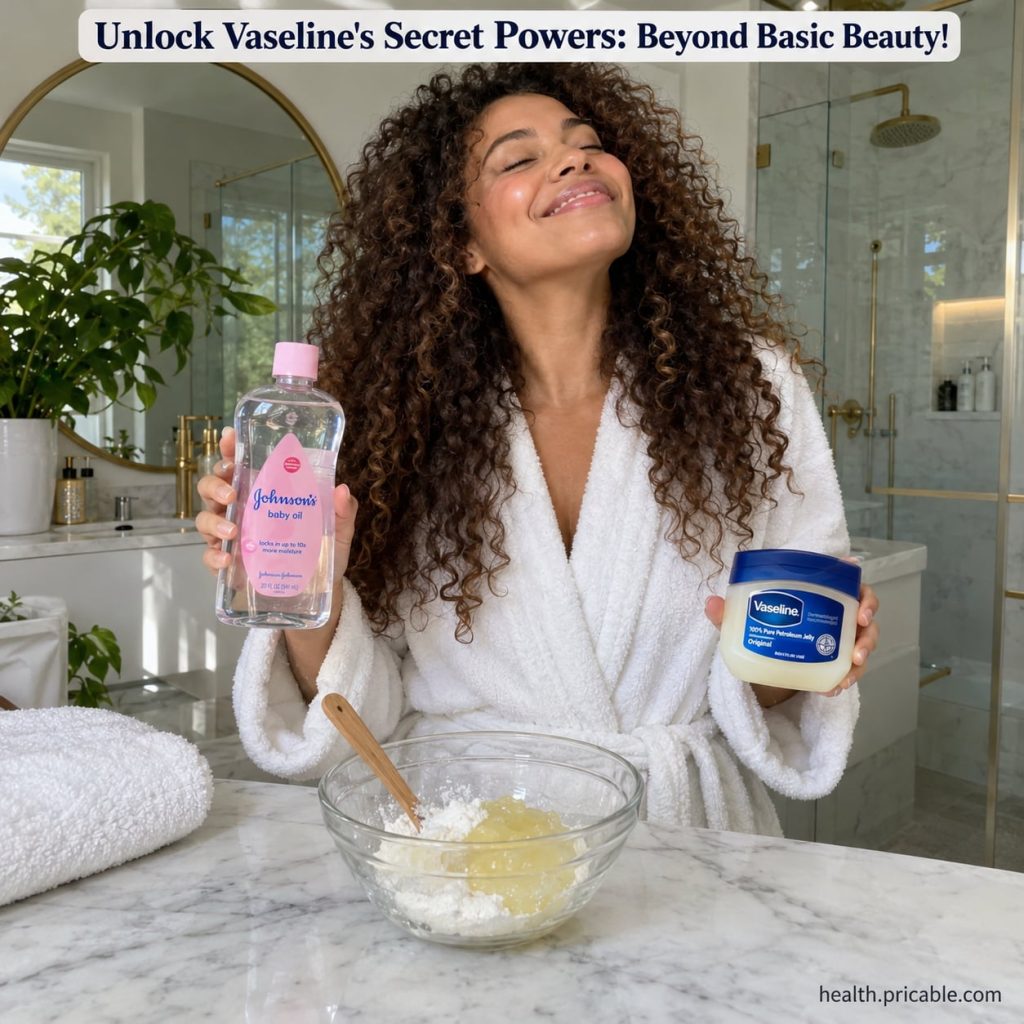
Quick Recipes
Prep time: 5-10 minutes
Best for: Dry skin, chapped lips, dull hair, cuticle care
Use type: Topical balms, masks, and treatments
Main ingredients:
- Petroleum Jelly
- Natural Skin Oil (like Vitamin E or almond oil)
- Natural Hair Oil (like coconut or olive oil)
- Fine Granulated Sugar
Ingredients
- 1-2 tablespoons Petroleum Jelly (Vaseline)
- 2-3 drops Vitamin E oil or Sweet Almond Oil
- 1 teaspoon Coconut Oil or Olive Oil
- 1-2 teaspoons Fine Granulated Sugar
How to Make It
1. Hydrating Overnight Face Balm/Mask
- Take about 1 tablespoon of petroleum jelly and place it in a small, clean container.
- Add 2-3 drops of Vitamin E oil or sweet almond oil to the petroleum jelly.
- Mix thoroughly with a clean spatula or spoon until the oils are well incorporated. Store in an airtight container.
2. Deep Conditioning Hair Treatment for Ends
- Scoop 1 teaspoon of petroleum jelly into a microwave-safe bowl.
- Warm gently in the microwave for 5-10 seconds until slightly softened (not fully melted).
- Add 1 teaspoon of coconut oil or olive oil to the softened petroleum jelly.
- Mix well to form a smooth, workable consistency.
3. Exfoliating Lip Scrub
- Combine 1 teaspoon of petroleum jelly with 1-2 teaspoons of fine granulated sugar in a small bowl.
- Mix until a thick, gritty paste forms. Adjust sugar quantity for desired scrub texture. Store in a tiny airtight pot.
How to Use It
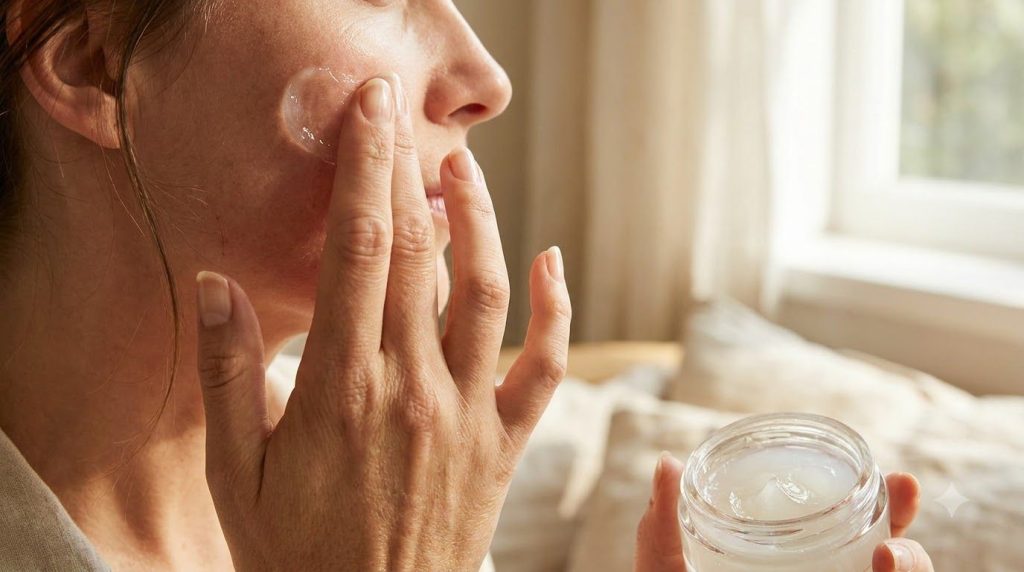
1. Hydrating Overnight Face Balm/Mask
- After cleansing and toning your face in the evening, apply a very thin layer of the balm to your skin.
- Focus on areas that tend to be drier or need extra moisture.
- Allow it to absorb overnight. In the morning, gently cleanse your face as usual.
2. Deep Conditioning Hair Treatment for Ends
- On dry hair, take a small amount of the mixed hair treatment.
- Gently massage it into the very ends of your hair, or along areas prone to dryness and frizz.
- Leave it on for 30 minutes to an hour, or even overnight if desired, covering with a shower cap to protect bedding.
- Shampoo your hair thoroughly, focusing on rinsing out the product completely. You may need to shampoo twice.
3. Exfoliating Lip Scrub
- Apply a small amount of the scrub to clean, damp lips.
- Gently massage in circular motions for 30-60 seconds to exfoliate.
- Wipe off with a soft, damp cloth or rinse with warm water.
- Follow up with a plain petroleum jelly application for extra moisture.
How Often to Use It
- Hydrating Overnight Face Balm/Mask: Use 2-3 times a week, especially during dry seasons or when skin needs extra support.
- Deep Conditioning Hair Treatment: Use once a week or every two weeks, depending on your hair’s needs.
- Exfoliating Lip Scrub: Use 1-2 times a week to keep lips feeling smooth.
Why These Ingredients Are Used
Petroleum Jelly (Vaseline)
Petroleum jelly acts as an excellent occlusive barrier, meaning it creates a protective layer on the skin’s surface. This helps to lock in existing moisture, prevent water loss, and shield the skin from environmental elements. It’s a well-tolerated ingredient that can support skin hydration and softness.
Vitamin E Oil / Sweet Almond Oil
These natural oils are known for their conditioning properties. Vitamin E is an antioxidant that can help protect skin, while sweet almond oil is a gentle emollient that can make skin feel softer and smoother. When combined with petroleum jelly, they add an extra layer of nourishment.
Coconut Oil / Olive Oil
These common kitchen oils are also fantastic for hair. Coconut oil is often lauded for its ability to penetrate the hair shaft, helping to reduce protein loss and add shine. Olive oil is rich in fatty acids and can help to condition and soften hair, contributing to a more ‘luscious’ feel and appearance.
Fine Granulated Sugar
Sugar is a natural, gentle physical exfoliant. Its fine granules effectively buff away dry, flaky skin cells from the surface of your lips or body, revealing smoother-looking skin underneath. When combined with petroleum jelly, it creates a hydrating base for the exfoliation process.

What Results to Expect
Regular use of these petroleum jelly-based remedies may help your skin feel noticeably softer, smoother, and more hydrated. You may observe a reduction in the appearance of dryness and flakiness, contributing to a fresher-looking complexion. For hair, these treatments can support a softer texture, enhance natural shine, and help manage the appearance of frizz, making your hair feel more manageable and cared for.
Safety Notes
- Patch Test First: Always perform a patch test on a small, inconspicuous area of your skin or hair before full application, especially if you have sensitive skin or known allergies.
- Use Gently: Apply all remedies with a light touch, especially on delicate areas like the face and lips.
- Avoid Irritated or Broken Skin: Do not apply petroleum jelly-based remedies to skin that is cut, broken, irritated, or has active acne, as this could potentially worsen conditions or trap bacteria.
- Pore Clogging: While non-comedogenic for many, some individuals, especially those with very oily or acne-prone skin, might find petroleum jelly too heavy for facial use and it may contribute to clogged pores. Observe your skin’s reaction closely.
- Hair Rinse: When using hair treatments, ensure you rinse your hair thoroughly to avoid a greasy residue.
- Stop if Discomfort Occurs: If you experience any redness, itching, burning, or irritation, discontinue use immediately.
- Eye Area: Avoid getting any product directly into your eyes.
FAQ
Can Vaseline really clog pores?
While petroleum jelly is generally considered non-comedogenic (meaning it doesn’t typically clog pores), individual skin reactions can vary. For some with very oily or acne-prone skin, its occlusive nature might feel too heavy or create an environment where breakouts could occur if not used sparingly or if existing skin conditions are present. It’s always best to patch test and observe your skin’s response.
Is Vaseline safe for all hair types?
Petroleum jelly can be beneficial for many hair types, particularly those with dry, brittle ends or frizz. However, it can be heavy. Those with very fine or oily hair may find it weighs down their strands or is difficult to rinse out. Start with a very small amount and ensure thorough shampooing afterward.
How much Vaseline should I use for these beauty hacks?
Less is often more when it comes to petroleum jelly, especially for facial or hair applications. Start with a pea-sized amount for facial balms and hair treatments, and slightly more for lip scrubs. You can always add a little more if needed, but it’s harder to remove excess.
Final Thoughts
Petroleum jelly is a humble yet mighty ingredient in the world of DIY beauty. By simply combining it with other natural components, you can create effective and affordable remedies for common beauty concerns. Experiment safely with these hacks to see how this everyday staple can elevate your personal care routine, leaving you with skin that feels supported and hair that feels nourished. Share your favorite petroleum jelly hacks in the comments below!