Most people ignore this crucial detail when using red pepper for pest control: preparation is everything. While many gardeners sprinkle chili powder haphazardly or create weak concoctions, getting the method right can mean the difference between thriving plants and a frustrating losing battle against aphids and snails. This isn’t about simply adding spice; it’s about unlocking a powerful, natural deterrent when applied correctly.
It’s a common frustration: you invest time and effort into your garden, only for tiny invaders like aphids to suck the life out of your plants, or slimy snails to leave a trail of destruction. Chemical pesticides can be harsh on your garden’s ecosystem and your health. The good news? A simple, homemade red pepper spray can be surprisingly effective, but only if you follow the right steps. Let’s dive into how to harness the capsaicin in red pepper to protect your precious plants.
What It Is: The Capsaicin Powerhouse
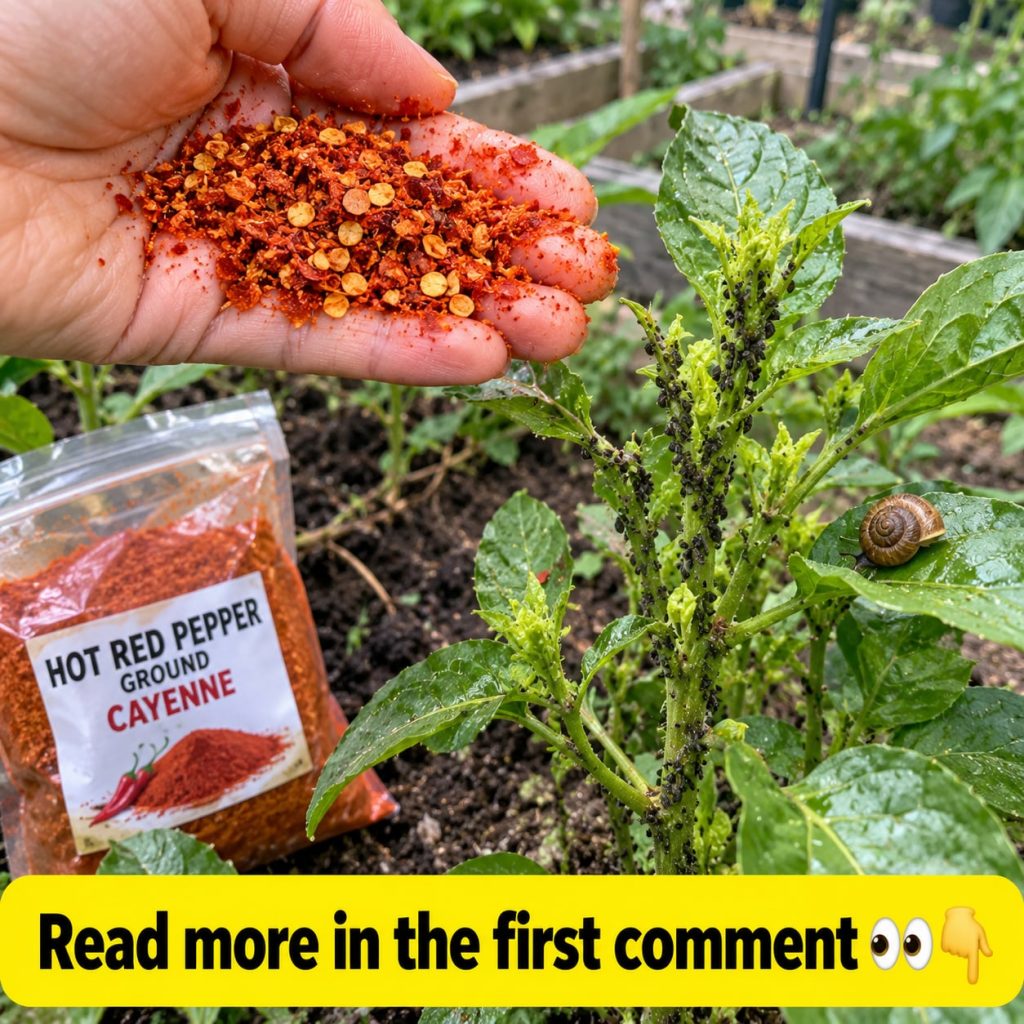
Red pepper pest spray is a natural deterrent that utilizes capsaicin, the active compound in chili peppers responsible for their heat. When applied to plants, capsaicin irritates the delicate membranes of soft-bodied pests like aphids and slugs, making the plant unappetizing or even unbearable for them. It doesn’t typically kill them outright but acts as a strong repellent, encouraging them to find a new dining spot.
Ingredients You’ll Need
To make an effective red pepper spray, you only need a few common items:
- Hot Red Peppers: Fresh cayenne, habanero, or any hot chili peppers.
- Water: Plain tap water.
- Mild Liquid Soap: Dish soap or insecticidal soap (avoid harsh detergents).
Approximate Measurements
Precision isn’t always key in DIY remedies, but these measurements provide a good starting point:
- 5-10 fresh hot peppers (or 2-3 tablespoons dried red pepper flakes/powder)
- 1 quart (about 1 liter) of water
- 1 teaspoon of mild liquid soap
The Formula / Recipe
The basic formula involves steeping the capsaicin from the peppers into water, then adding a surfactant (soap) to help the spray adhere to plant leaves.
Fresh vs. Dried Peppers for Pest Control
Choosing between fresh and dried peppers can impact the potency and ease of preparation:
| Feature | Fresh Hot Peppers | Dried Red Pepper Flakes/Powder |
|---|---|---|
| Potency | Often stronger, higher capsaicin concentration | Good, but can vary; convenient |
| Preparation | Requires chopping/blending | Easier to use, no chopping |
| Availability | Seasonal or specific stores | Always available in spice aisle |
| Quantity | 5-10 peppers per quart | 2-3 tablespoons per quart |
Step-by-Step Method: Making Your Pepper Spray
One small preparation mistake can ruin the whole batch, making it less effective or even potentially harmful to your plants. This is the part most people skip:
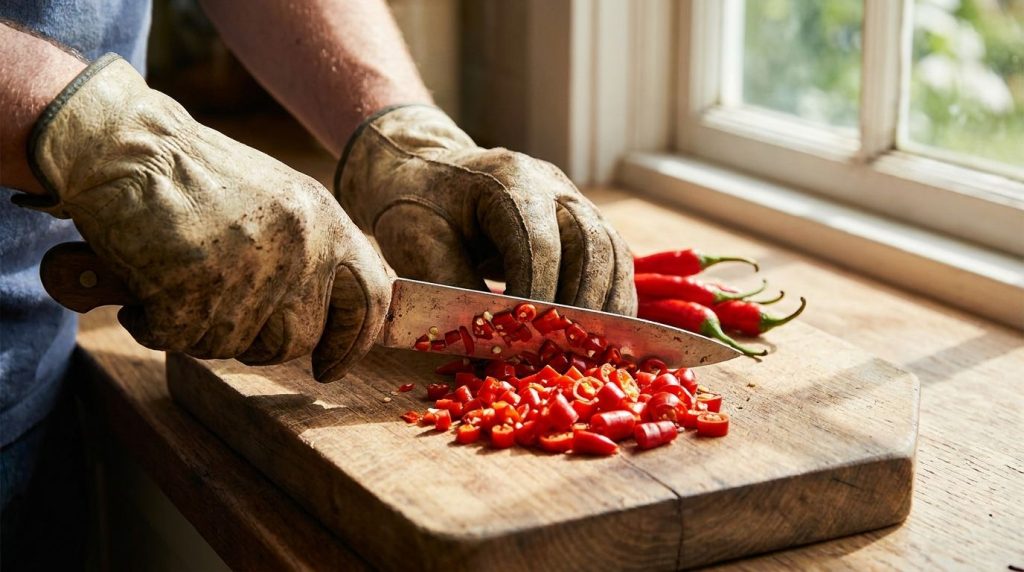
- Prepare the Peppers: If using fresh peppers, chop them finely (wear gloves!). The smaller the pieces, the more capsaicin will be released. If using dried flakes or powder, you can skip this step.
- Steep: Place the chopped fresh peppers (or dried flakes/powder) into a large jar or bowl. Add 1 quart of hot (not boiling) water.
- Infuse: Let the mixture steep for at least 24 hours, or up to 48 hours, at room temperature. The longer it steeps, the stronger the solution.
- Strain: After steeping, strain the liquid using a fine-mesh sieve, cheesecloth, or coffee filter to remove all solid pepper particles. This is crucial to prevent clogging your spray bottle and to avoid leaving pepper bits that might attract other issues.
- Add Soap: Pour the strained liquid into a spray bottle. Add 1 teaspoon of mild liquid soap. The soap acts as a surfactant, helping the spray stick to plant leaves and pests, rather than just running off.
- Shake: Secure the lid on the spray bottle and shake well to thoroughly mix the soap.
Quick Tip: Boost Potency with Garlic
For an extra punch against a wider range of pests, add 2-3 crushed garlic cloves to your pepper mixture during the steeping phase. Garlic has its own repellent properties that can enhance the spray’s effectiveness.
How to Use Your Red Pepper Spray
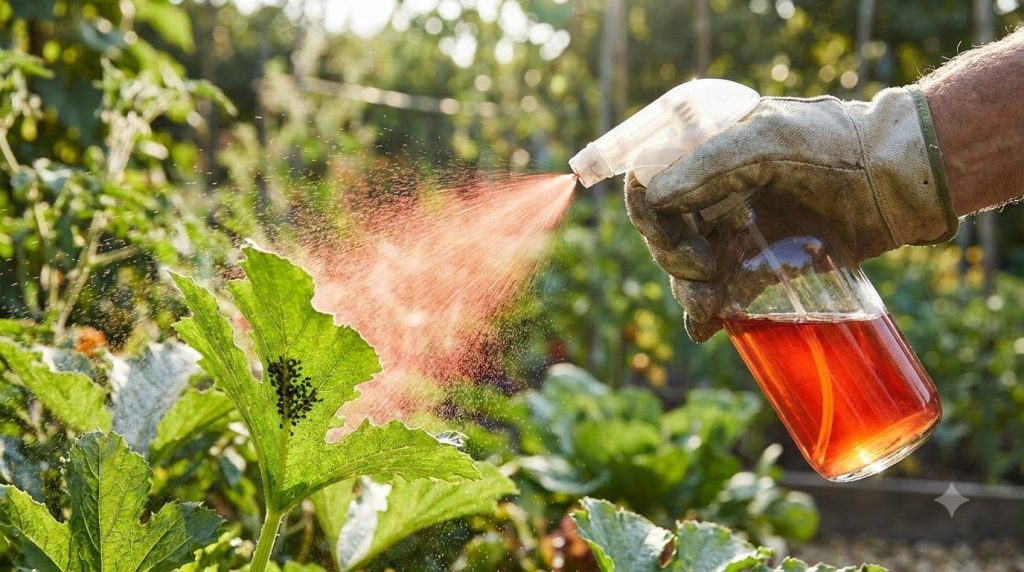
Using the spray correctly is just as important as making it. Spray your plants thoroughly, focusing on the undersides of leaves where aphids and other pests often hide. For snails, spray around the base of the plants or directly onto visible snails.
How Often to Use
Apply the spray every 3-5 days, especially after rain, or until the pest problem subsides. Regular application is key to maintaining a deterrent barrier. For preventative measures, once a week during peak pest season can be effective.
How to Buy / How to Choose Ingredients
When selecting red peppers, the hotter the better! Look for fresh, firm peppers without any signs of rot or mold. If using dried, ensure they are pure red pepper flakes or powder, not a spice blend that might contain other ingredients. For soap, choose a plain, biodegradable liquid dish soap or an organic insecticidal soap. Avoid antibacterial or heavily perfumed soaps.
Storage
Store your homemade red pepper spray in a cool, dark place, away from direct sunlight. A pantry or garden shed is ideal. It typically remains effective for about 1-2 weeks. After this, its potency may diminish, and it’s best to make a fresh batch.
Practical Tips for Best Results
- Test First: Always test the spray on a small, inconspicuous part of your plant first. Wait 24 hours to ensure there’s no adverse reaction, especially on sensitive plants or seedlings.
- Avoid Hot Sun: Apply in the early morning or late evening when the sun is not intense. Spraying in direct, strong sunlight can cause leaf burn.
- Reapply After Rain: Rain will wash away the spray, so reapply after any significant rainfall.
- Thorough Coverage: Ensure complete coverage of the affected plants, including the undersides of leaves.
Common Mistakes to Avoid
Here are the pitfalls many gardeners fall into when using red pepper spray:
- Skipping the Strain: Not straining properly leads to clogged sprayers and pepper bits on leaves, which can sometimes attract other issues or mold.
- Using Too Much Soap: While soap helps, excessive amounts can harm plants by stripping their natural protective waxes. Stick to the recommended amount.
- Spraying in Direct Sun: This can scorch leaves, especially delicate ones.
- Not Wearing Gloves: Capsaicin can cause severe irritation to skin and eyes. Always wear gloves during preparation and application.
- Not Testing on a Small Area: Different plants react differently. Always test before a full application.
- Using Spoiled Peppers: Only use fresh, healthy peppers to avoid introducing mold or bacteria to your plants.
Cautions / Who Should Avoid It
While generally safe for plants, there are important cautions:
- Avoid Contact with Skin and Eyes: Capsaicin is an irritant. Always wear gloves and eye protection. Wash hands thoroughly after use.
- Keep Away from Pets and Children: Store the spray safely out of reach.
- Use on Edibles with Caution: If spraying edible plants, rinse them thoroughly with water before consumption to remove any residue.
- Avoid Flowering Plants During Pollination: The spray might deter beneficial insects like pollinators. Apply when plants are not actively flowering or focus on non-flowering parts.
Quick Summary: Your Natural Pest Shield
- Best Preparation: Infuse fresh or dried hot peppers in water, strain, then add a small amount of mild soap.
- Best Use-Case: Repelling aphids, snails, slugs, and other soft-bodied pests.
- Storage: Store in a cool, dark place for 1-2 weeks.
- When to Use: Early morning or late evening; reapply every 3-5 days or after rain.
- What to Avoid: Direct sun application, excessive soap, not straining, and neglecting safety precautions.
FAQ: Your Questions Answered
Here are some common questions about using red pepper spray in the garden:
Q: Can I use fresh or dried peppers?
A: Both are effective. Fresh peppers often provide a stronger solution, while dried flakes or powder are more convenient.
Q: How long does the homemade spray last?
A: It’s best used within 1-2 weeks when stored in a cool, dark place. After that, its potency decreases.
Q: Will this spray harm my beneficial insects?
A: While primarily a deterrent for pests, it can irritate beneficial insects if sprayed directly. Try to apply it to affected areas and avoid broad spraying, especially during peak pollinator activity.
Q: Can I refrigerate it?
A: Yes, refrigerating the solution can help extend its shelf life slightly, but its potency will still degrade over time.
Q: Is it safe for all plants?
A: Generally, yes, but always perform a test spray on a small area first, especially on new or sensitive plants, to ensure no adverse reaction.
Q: What if I don’t have hot peppers?
A: You can use pure cayenne pepper powder from your spice rack, using about 2-3 tablespoons per quart of water. The steeping time remains the same.
Q: Why do I need to add soap?
A: The soap acts as a ‘sticker’ or surfactant, helping the pepper solution adhere to the waxy surfaces of plant leaves and the bodies of pests, making it more effective.
Conclusion
Effectively using red pepper as a natural pest deterrent is less about guesswork and more about precise preparation and application. By understanding the power of capsaicin and following these practical steps, you can create a potent, eco-friendly shield for your garden against common invaders like aphids and snails. Protect your plants the right way and enjoy a healthier, thriving garden without harsh chemicals.
You may also like: DIY Garlic Pest Repellent for Your Garden
Read more: Natural Ways to Control Slugs and Snails
