DIY Fridge Cleaning Hack: Restore Your Seals to Sparkle
Is the stubborn grime on your refrigerator door seals becoming an unsightly problem? You don’t need harsh, chemical-laden cleaners to tackle those tricky spots! This simple yet incredibly effective DIY hack, combining everyday household staples like baking soda and vinegar, will surprise you with its cleaning power. Get ready to transform your fridge seals from grimy to gleaming.
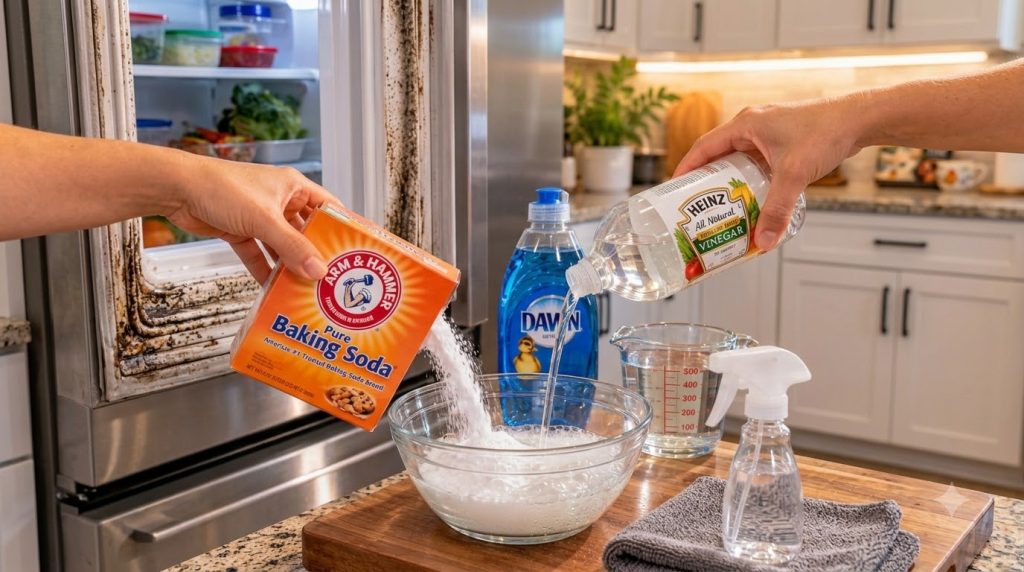
The Problem: Grimy Fridge Seals
Refrigerator door seals, also known as gaskets, are notorious for collecting food spills, dust, crumbs, and even mold and mildew over time. Not only does this look unsanitary, but dirty seals can also become less effective, leading to your fridge working harder, wasting energy, and potentially spoiling food faster. Regular cleaning is essential, but scrubbing these delicate areas with abrasive tools or harsh chemicals can damage them.
The Power Trio: How This Hack Works
Our secret weapon combines three common household items, each playing a crucial role in banishing grime:
- Baking Soda: This mild abrasive helps scrub away stuck-on dirt without scratching surfaces. As a natural deodorizer, it also tackles any lingering odors from food residue. Its alkaline nature helps break down acidic grime.
- White Vinegar: An acidic powerhouse, white vinegar is excellent at dissolving grease, hard water stains, and mineral deposits. It also acts as a natural disinfectant, killing bacteria and mold spores often found in damp areas like fridge seals. When combined with baking soda, it creates a fizzing reaction that helps lift dirt and grime.
- Blue Dish Soap: Dish soap is a fantastic degreaser, breaking down oily residues and food splatters. It also helps the other ingredients adhere to surfaces, ensuring a more effective clean.
What You’ll Need
Before you begin, gather these inexpensive items:
- 1/2 cup baking soda
- 1/4 cup white vinegar
- 1 tablespoon blue dish soap (like Dawn)
- Warm water
- Small mixing bowl
- Spray bottle
- Soft cloth or sponge
- Old toothbrush (for tight crevices)
- Paper towels
Step-by-Step Guide to Sparkling Seals
Follow these simple steps to get your fridge seals looking brand new:
- Empty and Prep: First, unplug your refrigerator for safety. Then, remove any loose crumbs or debris from the fridge seals using a dry cloth or vacuum cleaner attachment. This makes the cleaning process easier.
- Mix the Paste: In your small mixing bowl, combine the baking soda and dish soap. Slowly add just enough warm water to create a thick paste. It should be spreadable but not too runny.
- Apply the Paste: Using your soft cloth, sponge, or old toothbrush, generously apply the baking soda and dish soap paste directly onto the dirty refrigerator seals. Focus on areas with visible grime, mold, or stains. Allow the paste to sit for 10-15 minutes to let it work its magic.
- The Fizzing Action: Fill your spray bottle with white vinegar. After the paste has sat for a while, spray the vinegar directly onto the applied paste. You’ll immediately notice a satisfying fizzing reaction. This effervescence helps to lift and loosen stubborn dirt and grime from the seal’s surface and crevices.
- Scrub and Wipe: While the mixture is still fizzing, gently scrub the seals with your soft cloth or old toothbrush. The toothbrush is particularly useful for getting into the tight grooves and corners of the gasket.
- Rinse and Dry: Dampen a clean cloth with warm water and thoroughly wipe down the seals to remove all traces of the cleaning solution and lifted grime. Repeat this step until the seals are sparkling clean. Finally, use a dry cloth or paper towels to completely dry the seals. Ensuring they are dry helps prevent future mold growth.
Pro Tips for Fridge Seal Longevity
- Regular Maintenance: Make it a habit to wipe down your fridge seals with a damp cloth weekly to prevent grime buildup.
- Avoid Harsh Cleaners: Steer clear of abrasive pads, bleach, or strong chemical cleaners, as these can damage the rubber or plastic seals, making them less effective.
- Check for Damage: Periodically inspect your seals for cracks, tears, or hardening. Damaged seals should be replaced to maintain your fridge’s efficiency.
- Keep it Dry: After cleaning, always ensure the seals are completely dry to deter mold and mildew.
Safety First!
While this hack uses natural ingredients, a few precautions are always good practice:
- Ventilation: Ensure good ventilation in your kitchen, especially when using vinegar, as its fumes can be strong.
- Gloves: Wear gloves to protect your hands, especially if you have sensitive skin.
- Eye Contact: Avoid direct contact of the solution with your eyes. If it happens, rinse thoroughly with water.
With this powerful and natural cleaning hack, you can easily maintain clean, hygienic, and efficient refrigerator seals. Give it a try and see the amazing results for yourself! What’s your favorite natural cleaning hack for the kitchen? Share your tips in the comments below!