Most people focus on the sweet, tropical fruit of the guava tree, often overlooking the true hidden treasure: its leaves. While the fruit gets all the attention, guava leaves are packed with surprising health advantages many don’t know about. Far from being just decorative, these humble leaves hold a wealth of beneficial compounds that can support your wellness journey in simple, natural ways. If you’re looking for an accessible, natural remedy that might already be waiting in your garden or local market, it’s time to uncover the overlooked power of guava leaves.
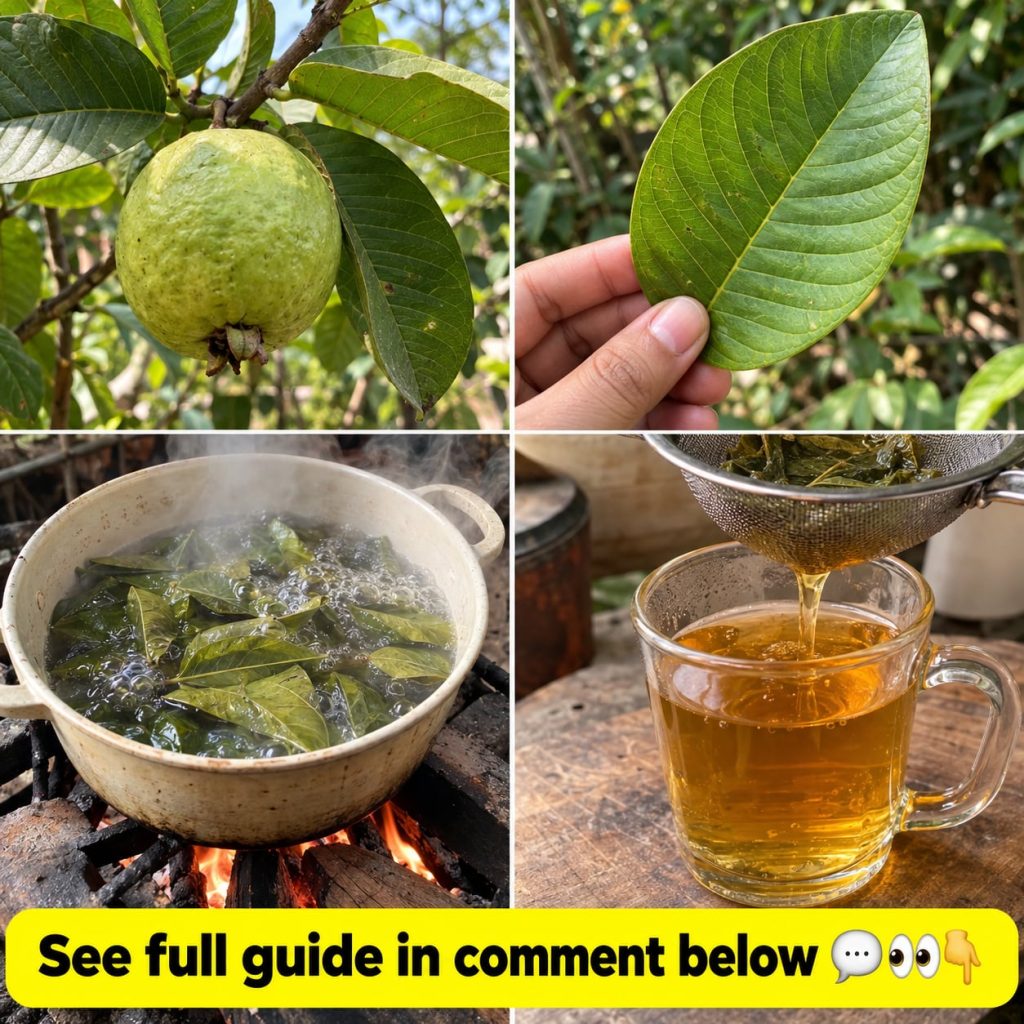
What Are Guava Leaves?
Guava leaves come from the guava tree (Psidium guajava), a small tropical tree native to Central and South America. For centuries, various cultures have utilized different parts of the guava plant, especially its leaves, in traditional medicine. These leaves are rich in antioxidants, anti-inflammatory agents, and compounds like flavonoids and tannins. It’s these specific components that give guava leaves their potential to act as a natural remedy for a range of common concerns, from digestive issues to skin health.
The Simple Guava Leaf Tea Remedy
One of the most popular and effective ways to harness the benefits of guava leaves is by preparing a simple herbal tea. This preparation method allows you to extract the water-soluble compounds, creating a potent and easy-to-consume tonic.
Ingredients
- 10-15 fresh guava leaves (or 1 tablespoon dried, crushed leaves)
- 4 cups of filtered water
Approximate Measurements
The quantities listed above provide a moderate strength tea. You can adjust the number of leaves slightly based on your preference and the desired potency. For dried leaves, remember they are more concentrated, so use less.
Formula / Recipe: Guava Leaf Brew
This formula creates a soothing, beneficial tea that can be enjoyed warm or cold.
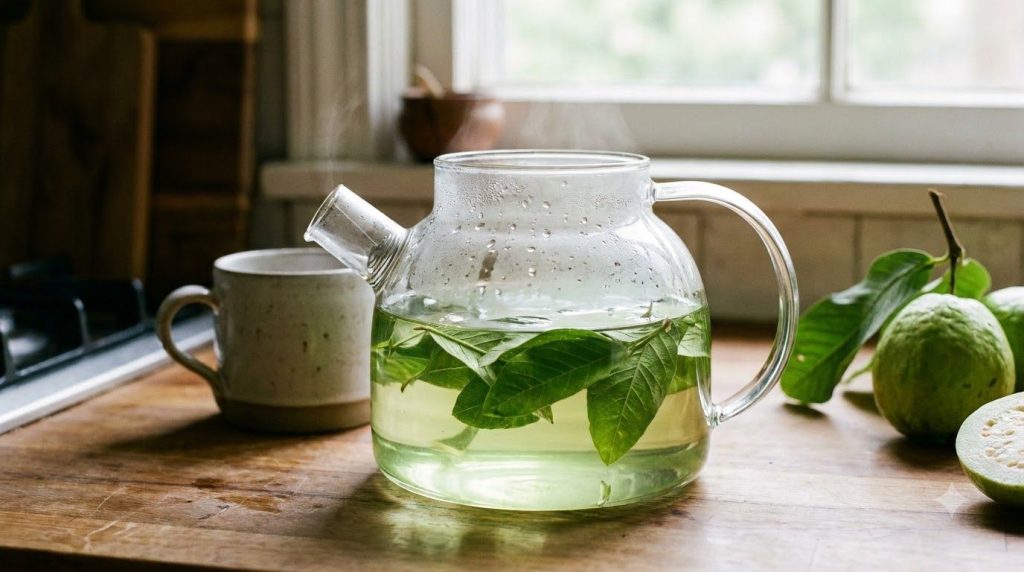
Step-by-Step Method
- Wash the Leaves: If using fresh leaves, thoroughly rinse them under cool running water to remove any dirt or debris.
- Prepare the Water: Bring the 4 cups of filtered water to a rolling boil in a saucepan.
- Add Leaves: Once the water is boiling, add the fresh or dried guava leaves to the pot.
- Simmer: Reduce the heat to a simmer, cover the pot, and let the leaves gently steep for 10-15 minutes. This allows the beneficial compounds to infuse into the water.
- Strain: Remove the pot from the heat and carefully strain the liquid into a cup or a heat-resistant pitcher, discarding the spent leaves.
- Serve: Your guava leaf tea is ready to drink.
How to Use
Guava leaf tea can be consumed as a beverage for general wellness or used as a topical rinse. For internal benefits, simply drink the tea. For external uses, such as a hair rinse or facial toner, allow the tea to cool completely before application.
How Often to Use
For general wellness, you can drink 1-2 cups of guava leaf tea daily. For specific concerns, consult with a healthcare professional. For topical applications, use as needed, perhaps 2-3 times per week for hair rinses or daily as a skin toner.
How to Buy / How to Choose Ingredients
The best guava leaves are fresh and free from pesticides. If you have access to a guava tree, harvest young, tender leaves. If buying, look for organic sources. Dried guava leaves are also available in many herbal stores or online. Ensure they are free from mold and have a natural, earthy aroma.
Fresh vs. Dried Guava Leaves
Choosing between fresh and dried leaves depends on availability and convenience. Both offer benefits, but there are some distinctions:
| Feature | Fresh Guava Leaves | Dried Guava Leaves |
|---|---|---|
| Potency | Often considered more potent due to freshness | Concentrated, effective when properly stored |
| Flavor | Milder, slightly herbaceous | Stronger, more earthy flavor |
| Shelf Life | Short (a few days refrigerated) | Long (up to 1 year in airtight container) |
| Availability | Seasonal, harder to find commercially | Widely available online and in herbal shops |
| Preparation | Requires thorough washing | Ready to use, no washing needed |
Storage
- Fresh Leaves: Store fresh guava leaves in a plastic bag in the refrigerator for up to 3-5 days.
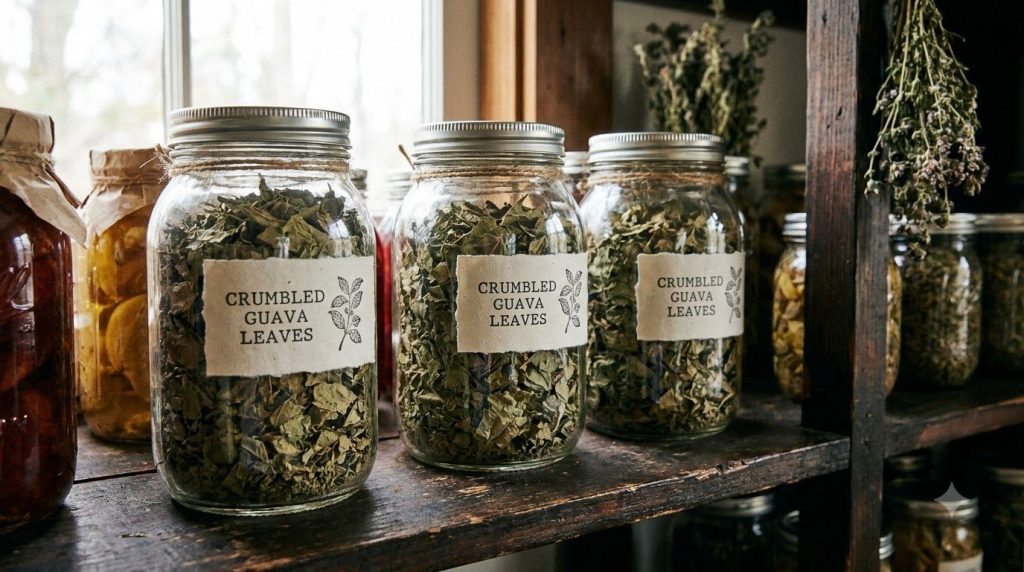
- Dried Leaves: Keep dried, crushed guava leaves in an airtight container in a cool, dark place for up to one year.
- Prepared Tea: Guava leaf tea can be stored in a sealed container in the refrigerator for up to 2-3 days.
Practical Tips
- Enhance Flavor: You can add a slice of lemon, a few mint leaves, or a drizzle of honey to your guava leaf tea for enhanced flavor, especially if you find the taste too earthy.
- Hair Rinse: After cooling, use the tea as a hair rinse. It’s often praised for potentially strengthening hair follicles and reducing hair fall.
- Facial Toner: Apply cooled tea to your face with a cotton pad as a natural toner, which may help with skin clarity.
Common Mistakes
Even with a simple remedy like guava leaf tea, a few common errors can reduce its effectiveness or lead to unintended issues:
- Using Pesticide-Treated Leaves: Always ensure your leaves are organic and free from chemical sprays. Boiling pesticides will introduce them into your tea.
- Boiling Too Long: While steeping is good, excessive boiling can make the tea overly bitter and may degrade some delicate compounds. A gentle simmer is ideal.
- Improper Storage: Storing fresh leaves in humid conditions can lead to mold, and dried leaves exposed to air and light lose potency quickly.
- Expecting Instant Results: Natural remedies often work subtly over time. Consistency is key; don’t expect a one-time use to solve long-standing issues.
Cautions / Who Should Avoid It
While generally considered safe for most people when consumed in moderation, there are a few considerations:
- Pregnancy and Breastfeeding: Limited research is available on guava leaf tea’s effects during pregnancy and breastfeeding. It’s best to consult a doctor before use.
- Diabetes Medication: Guava leaves may lower blood sugar levels. If you are on diabetes medication, monitor your blood sugar closely and consult your doctor to avoid hypoglycemia.
- Allergies: If you have allergies to guava fruit or other related plants, exercise caution.
- Surgery: Due to potential effects on blood sugar, discontinue use at least two weeks before any scheduled surgery.
Quick Summary
Guava leaf tea is a versatile natural remedy. It’s best prepared by simmering 10-15 fresh leaves (or 1 tbsp dried) in 4 cups of water for 10-15 minutes. It can be enjoyed daily for wellness or used topically as a rinse. Store fresh leaves refrigerated for a few days, and dried leaves in an airtight container for up to a year. Avoid pesticide-treated leaves and excessive boiling. Consult a doctor if pregnant, breastfeeding, or managing diabetes.
FAQ
- Can I use fresh or dried guava leaves?
Yes, both fresh and dried guava leaves can be used to make tea. Adjust the quantity accordingly; dried leaves are more concentrated. - How long does guava leaf tea last after brewing?
Brewed guava leaf tea can be stored in the refrigerator for up to 2-3 days in a sealed container. - Can I refrigerate guava leaf tea?
Absolutely! Refrigerating the tea can make it a refreshing cold beverage and extends its shelf life. - How often should I drink guava leaf tea?
For general wellness, 1-2 cups daily is common. For specific issues, consult a healthcare professional. - What part of the guava tree is best for remedies?
While the fruit is popular, the leaves are specifically known for their high concentration of beneficial compounds used in remedies. - Are there any side effects of drinking guava leaf tea?
Generally, it’s well-tolerated. However, some individuals might experience constipation or mild stomach upset. Monitor your body’s reaction. - Can I reuse the guava leaves for another batch of tea?
It’s not recommended. Most of the beneficial compounds are extracted during the first brewing, making subsequent batches much weaker.
You may also like: See the full guide on brewing different herbal teas for wellness.
Conclusion
The humble guava leaf is a powerful reminder that some of nature’s most effective remedies are often the most overlooked. Simple to prepare and versatile in its uses, guava leaf tea offers a practical way to incorporate natural wellness into your daily routine. By understanding how to properly prepare, use, and store this natural remedy, you can unlock its potential benefits. So next time you see a guava tree, remember the hidden power in its leaves – a simple step towards a more grounded approach to health.
Read more: Discover other natural remedies for digestive health.