Tired of scrubbing your bathtub endlessly only to be left with stubborn soap scum, hard water stains, and lingering grime? Many homeowners struggle with keeping their bathtubs sparkling clean without resorting to harsh chemicals that can irritate skin and respiratory systems, or damage surfaces over time. The good news is, achieving a brilliantly clean tub doesn’t have to be a daunting task or involve strong, synthetic cleaners. You can transform your bathroom into a gleaming oasis using simple, natural ingredients you likely already have in your pantry.
This comprehensive guide is designed for anyone looking for an effective, eco-friendly, and budget-conscious way to deep clean their bathtub. Whether you’re a seasoned DIY enthusiast or new to natural cleaning, you’ll find easy-to-follow instructions that promise impressive results. We’ll walk you through a powerful cleaning method that tackles dirt, grime, and stains, leaving your bathtub looking fresh and new. Say goodbye to dull, dirty tubs and hello to a naturally refreshing clean!
Get ready to discover the secrets to a pristine bathtub, using the power of everyday ingredients. It’s time to revitalize your bathroom with a method that’s good for your home, your health, and the planet.
Why You’ll Love This Guide
- Easy to Follow: Simple, step-by-step instructions make cleaning a breeze.
- Uses Common Household Ingredients: No need for special or expensive cleaning products.
- Budget-Friendly: Save money by using affordable items like baking soda and vinegar.
- Eco-Friendly: Reduce your environmental footprint by avoiding harsh chemical cleaners.
- Effective Against Soap Scum and Grime: Powerfully tackles common bathtub culprits.
- Safe for Most Tubs: Gentle yet effective for porcelain, fiberglass, and acrylic surfaces.
- Leaves a Fresh Scent: Natural ingredients like lemon provide a pleasant, clean aroma.
- Beginner-Friendly: Perfect for anyone, regardless of cleaning experience.
Ingredients & Materials
To give your bathtub a complete refresh, gather these simple items:
- Baking Soda: 1 cup (for scrubbing and deodorizing)
- White Vinegar: 1 cup (for dissolving soap scum and stains)
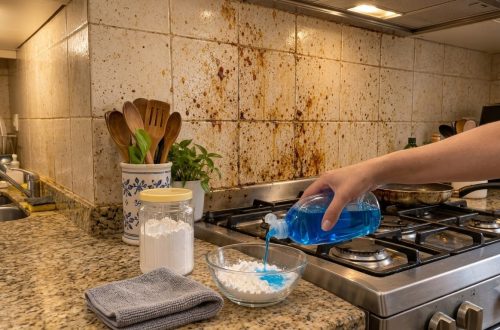
- Dish Soap (mild, liquid): 1/4 cup (a gentle degreaser, similar to what’s shown in the image)
- Lemons (sliced): 2-3 large (for natural acidic cleaning and fresh scent)
- Warm Water: As needed for rinsing
Equipment Needed
Having the right tools will make your cleaning process much smoother:
- Spray Bottle: For mixing and applying the vinegar solution.
- Scrub Brush or Sponge: A non-abrasive tool is best to protect your tub’s surface.
- Rubber Gloves: To protect your hands from prolonged exposure to cleaning agents.
- Measuring Cups: For accurate ingredient quantities.
- Microfiber Cloths: For drying and polishing to a streak-free shine.
Step-by-Step Instructions: Achieve a Sparkling Bathtub
Follow these detailed steps to transform your tub:
Estimated Time: 25-35 minutes active cleaning, plus optional soaking time.
-
Step 1: Prepare Your Bathtub (5 minutes)
Clear any items from your bathtub, such as shampoo bottles, sponges, or bath toys. Rinse the entire tub with hot water. This helps to wet the surfaces and loosen any superficial dirt, preparing it for the deep cleaning agents. This initial rinse also ensures the subsequent ingredients can adhere better.
-
Step 2: Apply Baking Soda (2 minutes)
Generously sprinkle about one cup of baking soda over all the wet surfaces of your bathtub, including the sides and bottom. For vertical surfaces, try to make it stick as much as possible. Baking soda is a mild abrasive and a natural deodorizer, making it excellent for tackling grime and absorbing odors.
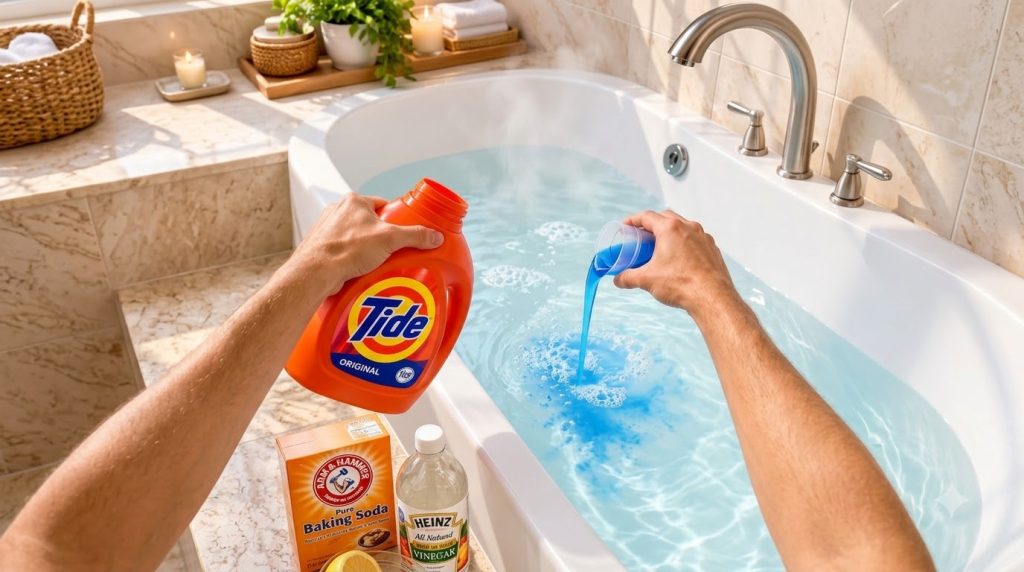
Combine natural ingredients for an eco-friendly cleaning boost. -
Step 3: Mix the Vinegar & Dish Soap Solution (1 minute)
In your spray bottle, combine one cup of white vinegar with 1/4 cup of mild dish soap. Secure the lid and gently shake to mix. The vinegar’s acidity will break down hard water stains and soap scum, while the dish soap will cut through grease and add a surfactant boost to the cleaning power.
-
Step 4: Spray and Let it React (5 minutes)
Spray the vinegar and dish soap mixture generously over the baking soda-covered surfaces of the tub. You’ll observe a fizzing reaction as the vinegar reacts with the baking soda. This effervescence helps to lift and break down stubborn grime. Allow the solution to sit and work its magic for at least 5-10 minutes. For heavily soiled tubs, you can let it sit for up to 30 minutes.
-
Step 5: Utilize Lemon Power for Tough Spots (2 minutes)
Take your sliced lemons and use them directly on any particularly tough stains or soap scum rings. The natural citric acid in lemons acts as an additional cleaning booster and leaves a wonderfully fresh scent. You can lightly scrub with the lemon slices before moving on to your brush or sponge.
-
Step 6: Scrub Thoroughly (10-15 minutes)
Wearing your rubber gloves, use your scrub brush or sponge to thoroughly clean all surfaces of the bathtub. Pay special attention to grout lines, corners, and areas with visible stains. The baking soda provides gentle abrasion, while the vinegar and dish soap continue to lift dirt. Scrub in circular motions for best results.
-
Step 7: Rinse Clean (5 minutes)
Once you’ve scrubbed every inch, rinse the bathtub thoroughly with warm water. You can use a showerhead or a bucket to pour water over the surfaces, ensuring all cleaning residue is washed away. Watch as the grime and soap scum disappear down the drain, revealing a cleaner surface.
-
Step 8: Polish and Dry (2 minutes)
For a streak-free, sparkling finish, wipe the entire bathtub dry with clean microfiber cloths. This step is crucial for preventing water spots and enhancing the shine. Your bathtub will now look and feel incredibly clean, smelling fresh and natural.
Expert Tips for a Spotless Bathtub
- Ensure Good Ventilation: Always open a window or turn on the exhaust fan when cleaning to ensure proper air circulation and dissipate any strong odors from vinegar.
- Pre-Soak for Heavily Soiled Tubs: If your tub is extremely dirty, consider letting the baking soda and vinegar mixture sit for an hour or even overnight before scrubbing.
- Target Tough Stains with a Paste: For localized, stubborn stains, mix a small amount of baking soda with just enough water to form a thick paste. Apply it directly to the stain, let it sit for 15-30 minutes, then scrub and rinse.
- Don’t Forget the Grout: Use an old toothbrush to work the cleaning solution into grout lines for an all-around clean bathroom aesthetic.
- Regular Maintenance is Key: For an easier cleaning routine, perform a quick wipe-down with a natural all-purpose spray after each use, or a light weekly scrub.
- Avoid Abrasive Scrubbers: Always use a non-abrasive sponge, cloth, or brush to avoid scratching the finish of your bathtub, especially if it’s acrylic or fiberglass.
- Prevent Future Build-up: Consider installing a water softener if you have hard water, and wipe down the tub after each shower to minimize mineral and soap scum accumulation.
Variations for Enhanced Cleaning & Scent
- Essential Oil Boost: Add 5-10 drops of essential oils like tea tree (for antibacterial properties) or lavender (for a calming scent) to your vinegar and dish soap mixture in the spray bottle.
- Extra Citrus Power: For an even fresher scent and more cleaning strength, you can add a tablespoon or two of fresh lemon juice directly into your vinegar solution.
- Deodorizing Sprinkle: If your tub has a persistent odor, sprinkle a layer of baking soda over the dry tub and let it sit for a few hours or overnight before proceeding with the full cleaning process.
Storage Instructions
Since this cleaning solution is prepared fresh, it’s best to use it immediately. Dispose of any leftover cleaning mixture by rinsing it down the drain with plenty of water. Store individual ingredients like baking soda, white vinegar, dish soap, and fresh lemons in their original, sealed containers in a cool, dry place, out of direct sunlight. Always ensure they are stored safely away from children and pets.
Safety Notes
Your safety and the safety of your household are paramount when cleaning:
- Ventilation: Always work in a well-ventilated area. Open windows or use an exhaust fan to ensure good airflow.
- Skin and Eye Protection: Wear rubber gloves to protect your hands from prolonged contact with the cleaning agents. Consider wearing eye protection, especially when spraying.
- DO NOT MIX WITH BLEACH: This is crucial. Never mix white vinegar with bleach or any products containing bleach (like many toilet bowl cleaners). The combination creates a toxic chlorine gas that can be extremely dangerous if inhaled.
- Surface Compatibility: This natural cleaning method is generally safe for most porcelain, fiberglass, and acrylic bathtubs. However, if you have an antique tub, a very delicate finish, or are unsure, always test the solution on a small, inconspicuous area first.
- Keep Away from Children and Pets: During and after cleaning, ensure that children and pets do not have access to the cleaning solutions or the wet tub area until it’s thoroughly rinsed and dried.
Frequently Asked Questions
How often should I deep clean my bathtub using this method?
For most households, a deep clean using this method every 2-4 weeks is sufficient. For daily maintenance, a quick wipe-down after each use can prevent build-up.
Is this natural cleaning method safe for all bathtub materials?
This method is generally safe for common bathtub materials like porcelain, fiberglass, and acrylic. However, always test on a small, hidden area first if you have concerns or an unusual tub material.
Will white vinegar harm my tub’s finish over time?
When used as directed and rinsed thoroughly, white vinegar is generally safe for most tub finishes. Its mild acidity is effective without being overly corrosive. Avoid leaving it on for excessively long periods (e.g., days).
Can I use a different type of vinegar, like apple cider vinegar?
While apple cider vinegar has similar acidic properties, white vinegar is recommended because it’s clear, less expensive, and won’t leave any potential residue or strong scent like apple cider vinegar might.
What if my bathtub has very stubborn mold or mildew?
For persistent mold or mildew, you may need to use a dedicated mold and mildew remover. While this natural method helps, very deep-seated mold might require stronger intervention. Ensure good ventilation and follow product instructions carefully if using commercial products.
Does this method help with hard water stains?
Yes, the acidity of white vinegar is excellent at dissolving mineral deposits that cause hard water stains, helping to restore your tub’s shine.
Is this cleaning solution safe for septic systems?
Yes, baking soda, white vinegar, dish soap, and lemon are all biodegradable and generally safe for septic systems when used in reasonable quantities.
Conclusion
Achieving a sparkling clean bathtub doesn’t have to be a chore filled with harsh chemicals and endless scrubbing. By harnessing the power of simple, natural ingredients like baking soda, white vinegar, dish soap, and lemons, you can effectively tackle soap scum, grime, and hard water stains, leaving your tub pristine and fresh. This guide has provided you with an easy-to-follow, budget-friendly, and eco-conscious method that not only delivers impressive results but also promotes a healthier home environment.
So, why not give this natural tub refresh a try? You’ll be amazed at how quickly and effortlessly you can transform your bathroom into a gleaming sanctuary. Embrace the power of natural cleaning and enjoy the satisfaction of a beautifully clean tub, knowing you’ve used ingredients that are safe for your family and the planet. Happy cleaning!