Most gardeners treat geraniums as beautiful annuals, allowing them to fade with the first frost. But what if you could defy the cold and coax your vibrant geraniums to not just survive, but thrive and even bloom throughout the winter months? It’s not as complex as you might think, and with a few straightforward strategies, you can enjoy these cheerful flowers long after summer has passed.
Many assume once the temperature drops, it’s time to bid farewell to their beloved geraniums until next spring. This is the part most people skip, missing out on months of potential color. We’ll explore three practical methods that can keep your geraniums healthy and, in some cases, actively blooming, giving your home a much-needed splash of vibrancy during the colder seasons.
What It Is: Overwintering Geraniums
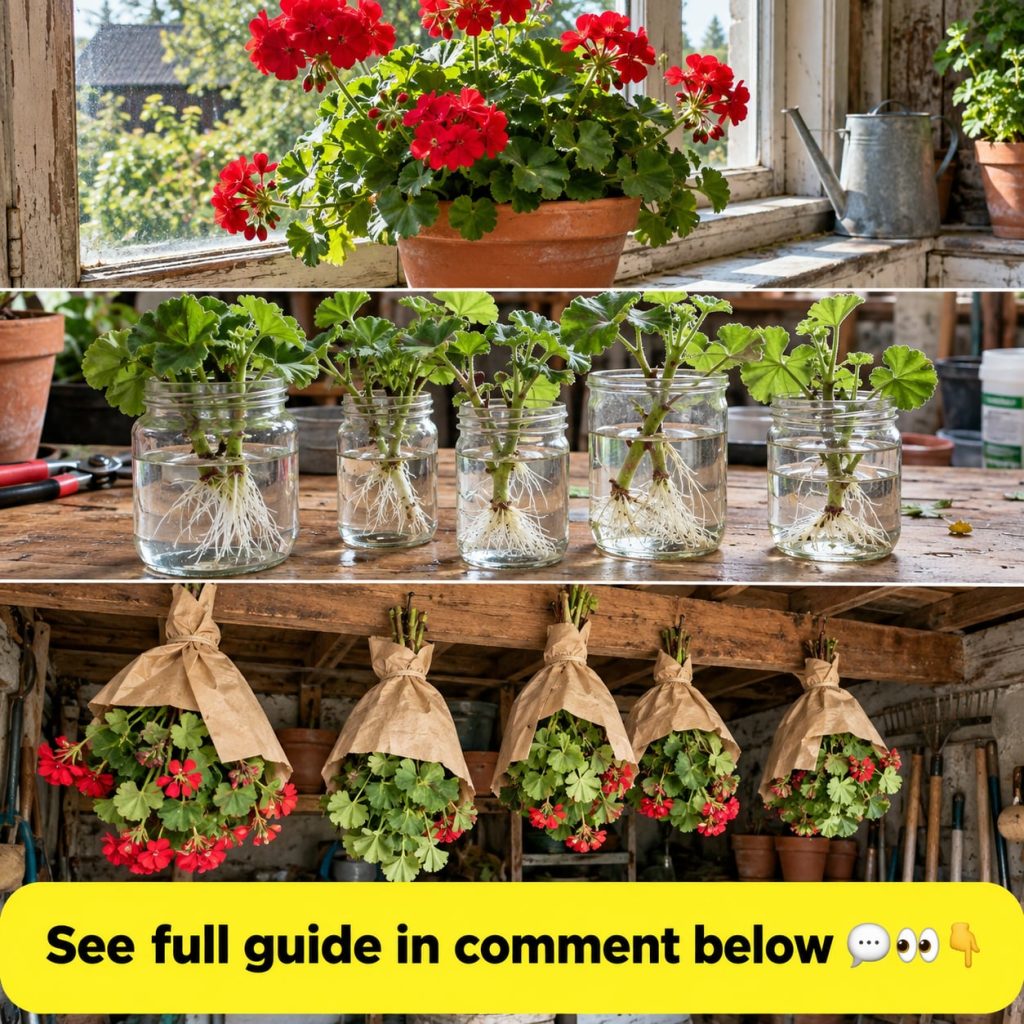
Overwintering simply means protecting your plants from cold weather so they can survive until spring. For geraniums (specifically Pelargonium, often referred to as zonal geraniums), this typically involves bringing them indoors. However, the ‘how’ varies significantly depending on whether you want them to continue growing actively or enter a dormant state. Choosing the right method depends on your space, light availability, and how much active care you’re willing to give.
These methods allow you to preserve your favorite varieties, save money on buying new plants each year, and even propagate new ones from existing stock. The key is understanding your geranium’s needs and providing the right environment to see them through the chilly season.
Method 1: Bringing Them Indoors for Active Growth
This is the most direct way to keep your geraniums blooming. It involves treating them like houseplants.
Ingredients:
- Healthy geranium plant(s)
- Clean pots with drainage holes (slightly larger if repotting)
- Fresh potting mix
- Pruning shears or sharp scissors (sterilized)
- Insecticidal soap or neem oil (optional, for pest prevention)
Step-by-Step Method:
-
Pre-Winter Prep (Late Summer/Early Fall): About 6-8 weeks before the first expected frost, begin reducing fertilization. This signals the plant to slow down its vigorous outdoor growth.
-
Inspection and Cleaning: Before bringing plants indoors, thoroughly inspect them for any pests (aphids, spider mites, whiteflies). Treat any infestations with insecticidal soap or neem oil. Remove any dead or yellowing leaves and spent blooms.
-
Pruning: Trim back your geraniums by about one-third to one-half of their size. This helps manage their shape indoors and encourages bushier growth, preventing them from becoming leggy.
-
Repotting (Optional): If your plant is root-bound or in a very large pot that’s hard to move, consider repotting into a slightly larger, clean pot with fresh potting mix. This can also be an opportunity to swap out old soil that might harbor pests or diseases.
-
Acclimatization: Gradually move your geraniums from outdoors to indoors over a week or two. Start by bringing them in at night and taking them out during the day, then extend their indoor time until they are fully inside.
-
Indoor Placement: Place them in a location that receives at least 4-6 hours of direct sunlight per day. A south-facing window is ideal. If natural light is insufficient, supplement with a grow light for 12-16 hours daily.
How to Use:
Keep the plants in their well-lit indoor spot throughout winter.
How Often to Use:
This is a continuous care method. Water when the top inch of soil feels dry. Fertilize sparingly, perhaps once a month, with a balanced liquid fertilizer diluted to half strength. Rotate pots periodically to ensure even light exposure.
Method 2: Storing Geraniums Dormant
If you lack bright indoor space or prefer minimal care, inducing dormancy is an excellent option.
Step-by-Step Method:
-
Pre-Winter Cutback: Before the first hard frost, prune your geraniums severely, leaving only 6-8 inches of growth above the soil line. Remove all leaves and spent flowers.
-
Drying Period: Dig up the entire plant, shaking off excess soil from the roots. You can either hang them upside down in a cool, dry, dark place (like a basement) or store them in paper bags, keeping the roots mostly bare. Some prefer to store them in pots with dry soil. Ensure good air circulation.
-
Dormancy Storage: Place the plants in an area with temperatures between 40-50°F (4-10°C). Humidity should be low to prevent mold.
-
Monthly Check: Once a month, check the plants for any signs of mold or rot. Lightly mist the roots if they appear shriveled, but avoid saturating them.
How to Use:
Keep plants in dormancy until late winter/early spring, typically 6-8 weeks before the last expected frost.
How Often to Use:
Revive them by repotting into fresh soil, watering thoroughly, and placing them in a bright, warm location. New growth should emerge within a few weeks.
Method 3: Taking Geranium Cuttings
This method ensures you have fresh, vigorous plants for spring, even if your parent plants don’t survive.
Ingredients:
- Healthy geranium plant
- Sterilized sharp knife or pruning shears
- Small pots or seed trays
- Seed starting mix or perlite/vermiculite mix
- Rooting hormone (optional)
- Clear plastic dome or plastic bag
Step-by-Step Method:
-
Select Cuttings (Late Summer/Early Fall): Choose healthy, non-flowering stems about 4-6 inches long. Make a clean cut just below a leaf node (where a leaf attaches to the stem).
-
Prepare Cuttings: Remove all leaves from the lower 2-3 inches of the stem. Allow the cut end to ‘heal’ or callus over for a few hours or overnight in a dry, shaded spot. This prevents rot.
-
Apply Rooting Hormone (Optional): Dip the cut end into rooting hormone powder or gel.
-
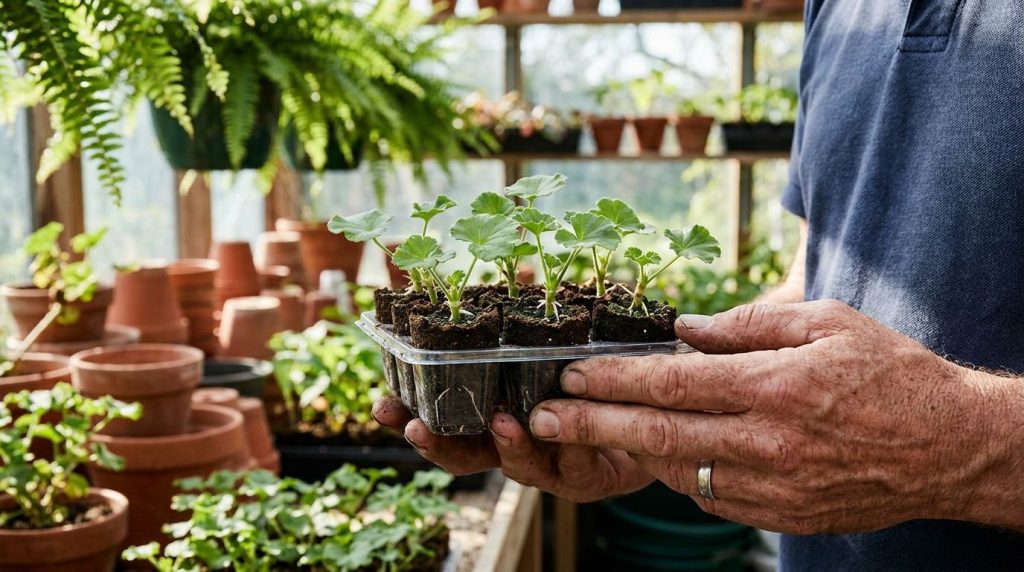
Plant Cuttings: Plant the prepared cuttings into small pots or seed trays filled with moist seed starting mix or a perlite/vermiculite blend. Ensure good drainage.
-
Create Humidity: Cover the pots with a clear plastic dome or a plastic bag to create a humid environment, which encourages rooting. Ensure the plastic doesn’t touch the leaves.
-
Placement: Place in a warm spot with bright, indirect light. Avoid direct sun, which can scorch the delicate cuttings.
-
Care: Keep the soil consistently moist but not waterlogged. Rooting typically occurs within 3-6 weeks. You can gently tug on a cutting; if it resists, roots have formed.
How to Use:
Once rooted, treat them as small houseplants. Transplant to larger pots as they grow, and move them outdoors after the last frost in spring.
How Often to Use:
Water as needed. Fertilize very sparingly after roots have developed, then follow a regular feeding schedule once they are established plants.
How to Choose Healthy Geraniums for Overwintering
Start with healthy plants. When purchasing new geraniums in spring or summer, look for:
- Vibrant Green Leaves: Avoid plants with yellowing, spotted, or droopy leaves.
- No Visible Pests: Check the undersides of leaves and stems for tiny insects or sticky residue.
- Strong Stems: Choose plants with sturdy, compact growth, not leggy or stretched.
- Good Root System: If possible, gently lift the plant from its pot to ensure a healthy network of white roots, avoiding plants with roots circling excessively.
Storage Considerations
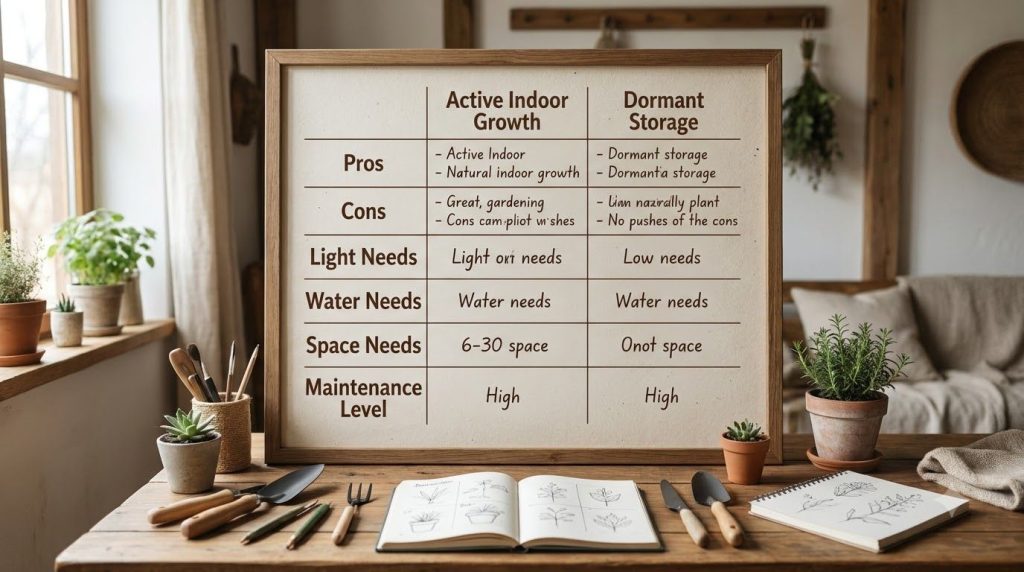
Active Growth: Consistent room temperature (60-70°F / 15-21°C) is generally fine. Ensure good air circulation to prevent fungal issues. Keep them away from cold drafts or direct heat vents.
Dormant Storage: A cool, dark, dry basement, garage, or unheated crawl space is ideal. Temperatures should remain consistently above freezing but below 50°F (10°C). Fluctuations can disrupt dormancy.
Cuttings: Once rooted, treat them as active indoor plants, providing warmth and bright, indirect light until spring.
Practical Tips for Success
- Avoid Overwatering: This is the most common killer of indoor plants. Always check soil moisture before watering.
- Humidity: Indoor heating can dry out the air. Consider placing active plants on a pebble tray with water to increase humidity around them, or mist occasionally.
- Pest Vigilance: Pests can multiply quickly indoors. Regularly inspect your plants and act immediately at the first sign of trouble.
- Air Circulation: Ensure good airflow around your plants to reduce the risk of fungal diseases.
- Pinch Back: For active plants, regularly pinch back growing tips to encourage bushier growth and more flowers.
Common Mistakes to Avoid
- Bringing Pests Indoors: Always inspect and treat plants before moving them inside. A single unnoticed bug can quickly infest all your houseplants.
- Overwatering Dormant Plants: Dormant geraniums need very little water. Too much will lead to rot.
- Insufficient Light for Active Plants: Without enough light, actively growing geraniums will become leggy and produce few to no flowers.
- Forgetting to Prune: Skipping the pre-winter prune leads to unruly, less productive plants.
- Storing in Warm Locations: Dormant plants need cool temperatures to stay dormant; a warm room will cause them to try and grow, depleting their energy.
Cautions: Who Should Avoid It
While generally safe, individuals with severe plant allergies might find some irritation from handling geraniums. Always wear gloves if you have sensitive skin. Geraniums are also mildly toxic to pets if ingested, causing digestive upset, so keep them out of reach of curious animals.
Read more: Pet-Safe Houseplants: What You Need to Know
Quick Summary
Overwintering geraniums is a rewarding practice. Choose between:
- Active Growth Indoors: For continuous blooms with bright light, moderate watering, and consistent care.
- Dormant Storage: For minimal fuss, cut back, store in cool, dark conditions, and revive in spring.
- Cuttings: For guaranteed fresh plants, propagate healthy stems in fall.
Always inspect for pests, prune appropriately, and avoid overwatering. Proper preparation is key to ensuring your geraniums return vibrant and beautiful.
FAQ
Q1: Can I use fresh or dried cuttings for propagation?
You should always use fresh, healthy stems for cuttings. Dried material will not root.
Q2: How long does an overwintered geranium last?
With proper care, a geranium can be overwintered for several years. However, vigor might decline after 2-3 years, making cuttings a good way to refresh your stock.
Q3: Can I refrigerate geraniums for dormancy?
No, refrigeration is generally too cold and humid, leading to rot. A cool, dark, and relatively dry basement or garage is more suitable.
Q4: How often should I water a dormant geranium?
Very sparingly, perhaps a light misting of the roots once a month if they look shriveled. The goal is to keep them barely alive, not actively growing.
Q5: What part of the geranium is best for cuttings?
Choose healthy, non-flowering stems from the tips of the plant, about 4-6 inches long.
Q6: When is the best time to bring geraniums indoors for winter?
Before the first hard frost, typically when nighttime temperatures consistently drop below 45-50°F (7-10°C).
Q7: Can I reuse the soil from my outdoor pots for indoor overwintering?
It’s best to use fresh, sterile potting mix when bringing plants indoors, especially for active growth, to avoid introducing pests and diseases.
Q8: Why are my indoor geraniums not blooming?
Lack of sufficient light is the most common reason. Ensure they get at least 4-6 hours of direct sun or supplemental grow light.
Continue with: Your Guide to Optimal Lighting for Indoor Plants
Conclusion
Don’t let the colder months mark the end of your geraniums’ season. By choosing one of these three simple overwintering methods – active indoor growth, dormant storage, or propagation through cuttings – you can extend the life and beauty of these resilient plants. A little effort in the fall can lead to months of cheerful blooms and a vibrant return in spring, proving that with the right care, your garden’s stars can shine all year long.

