Welcome Spring with a Healthy Garden!
As the days grow longer and a gentle warmth returns, March signals the exciting awakening of our gardens. For those of us who cherish natural health and wholesome living, this isn’t just a time to admire the first buds; it’s an opportunity to nurture our plants using simple, earth-friendly methods. Just like we nourish our bodies with healthy foods and natural remedies, our gardens thrive when given mindful, preventative care.
Imagine stepping into your garden later this year, greeted by bountiful fruits, fragrant flowers, and lush greenery, all nurtured with ingredients you might find right in your kitchen or readily available at your local garden center. Preparing your garden naturally in March sets the stage for a season of vibrant growth and helps prevent common issues before they even start.
Ready to discover how to give your peach trees, apple orchards, and rose bushes the best possible start, the natural way? Let’s dive into 9 essential treatments that will help your garden flourish this spring!
Why Choose Natural Garden Treatments?
Opting for natural treatments in your garden aligns perfectly with a healthy lifestyle. It means:
- Safer for You and Your Family: Less exposure to synthetic chemicals.
- Healthier Soil: Natural methods often enrich soil life, leading to stronger plants.
- Beneficial for Wildlife: Supports pollinators and beneficial insects, creating a balanced ecosystem.
- Sustainable Practices: Utilizes readily available, often renewable resources.
These simple steps in March are crucial for setting the foundation for a resilient and productive garden throughout the year.
9 Essential Natural Treatments for Your March Garden
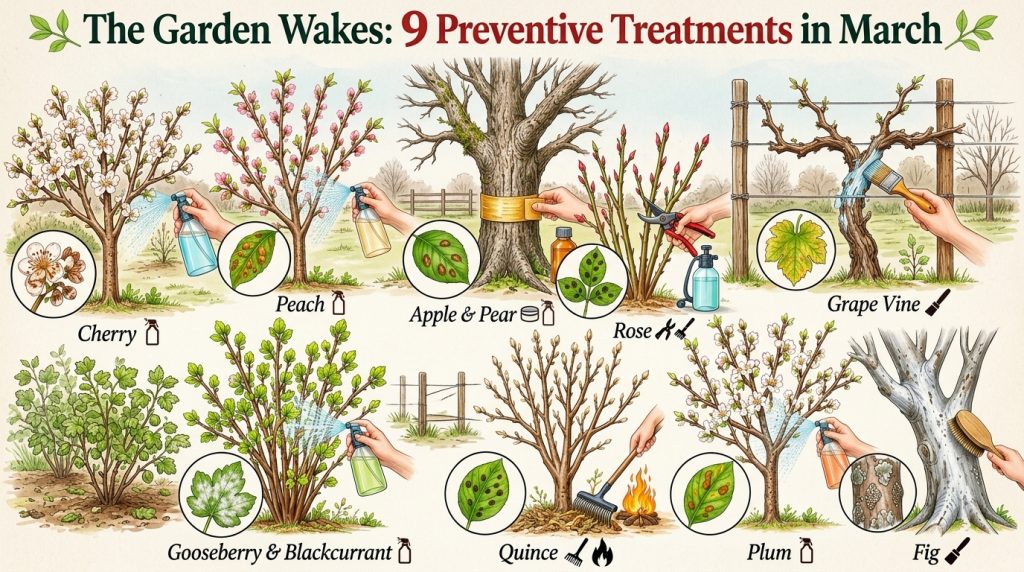
Here are nine natural preventive treatments to consider for your garden this month:
1. Peach Trees: Dormant Oil Spray
- The Challenge: Overwintering pests like aphid eggs and certain fungal spores can hide in bark crevices, waiting for spring.
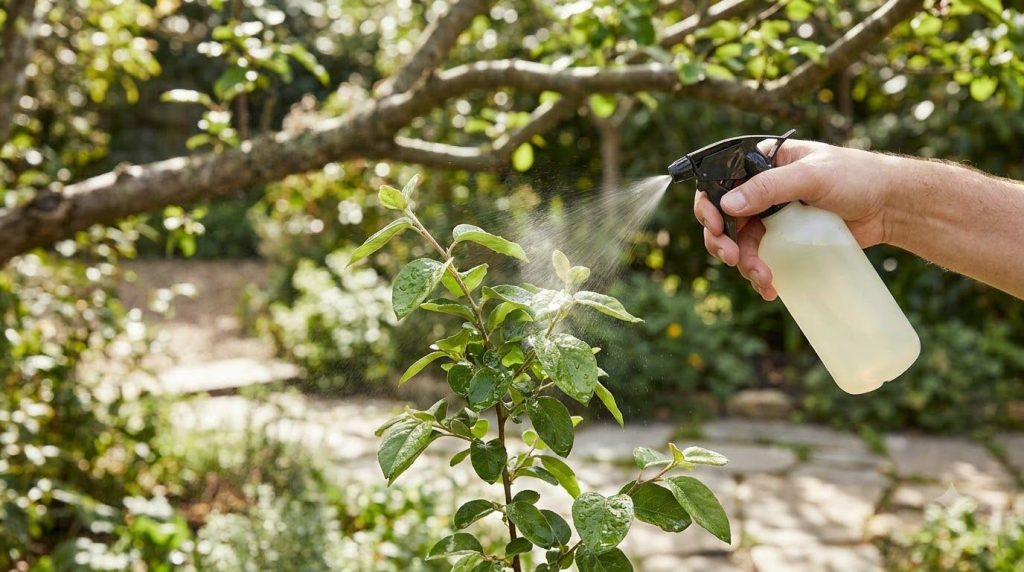
- Natural Solution: Apply a certified organic dormant oil spray. This suffocates pests and helps prevent early fungal issues without harming beneficial insects later in the season.
- How-To Tip: Ensure complete coverage on branches and trunk before buds begin to swell.
2. Apple & Pear Trees: Horticultural Oil & Pruning
- The Challenge: Scale insects and mites can be present, and proper tree structure is key for fruit production.
- Natural Solution: Apply a horticultural oil (a lighter form of dormant oil) to smother overwintering insects. Additionally, prune any dead, diseased, or crossing branches to improve air circulation and sunlight penetration.
- How-To Tip: Make clean cuts and dispose of diseased wood away from the garden.
3. Grape Vines: Strategic Pruning & Compost Tea
- The Challenge: Untamed vines can lead to poor fruit quality and increased disease risk.
- Natural Solution: Perform winter pruning to remove old wood, leaving healthy canes for new growth. This improves air circulation, which is vital for preventing fungal diseases. Follow up with a drench of compost tea around the base to boost soil microbes and nutrient availability.
- How-To Tip: Prune before sap begins to flow to minimize stress on the plant.
4. Gooseberry & Blackcurrant Bushes: Mulching & Inspection
- The Challenge: Early season pests and diseases, and inconsistent soil moisture.
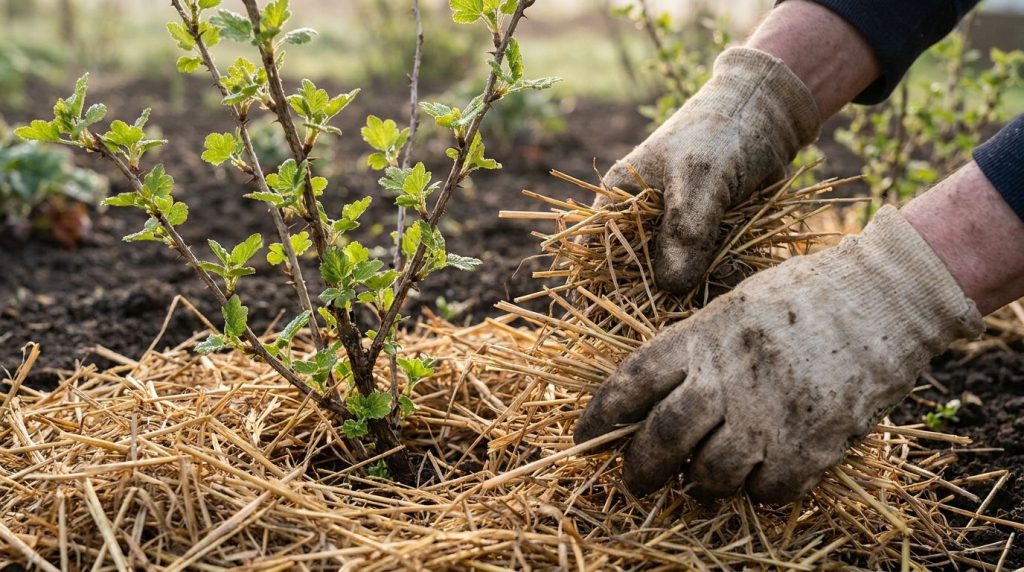
- Natural Solution: Apply a layer of organic mulch (like wood chips or straw) around the base of the bushes. This helps retain moisture, suppress weeds, and regulate soil temperature. Regularly inspect for early signs of powdery mildew or pest activity.
- How-To Tip: Keep mulch a few inches away from the main stems to prevent rot.
5. Rose Bushes: Pruning & Compost Top Dressing
- The Challenge: Dead or damaged canes can harbor disease, and roses benefit from nutrient-rich soil.
- Natural Solution: Prune back dead, weak, or crossing canes to encourage healthy new growth. Clean up any old leaves or debris around the base. Top dress with a good layer of well-rotted compost to provide a slow-release nutrient boost.
- How-To Tip: Prune at a 45-degree angle about ¼ inch above an outward-facing bud.
6. Plum Trees: Dormant Oil Spray
- The Challenge: Similar to peaches and apples, plum trees are susceptible to overwintering insect eggs and early fungal issues.
- Natural Solution: Apply a certified organic dormant oil spray to cover the entire tree, ensuring it reaches all crevices where pests might hide.
- How-To Tip: Choose a calm, dry day with temperatures above freezing for application.
7. Cherry Trees: Neem Oil & Drainage Check
- The Challenge: Early insect infestations and waterlogged roots.
- Natural Solution: For initial pest deterrence, apply a diluted neem oil solution to the bark and emerging buds. Neem oil acts as an insect repellent and growth regulator. Also, ensure your cherry tree has good drainage to prevent root issues; consider adding organic matter to heavy soils if needed.
- How-To Tip: Follow product instructions carefully when using neem oil, especially regarding dilution and application timing.
8. Quince Trees: Sanitation & Baking Soda Spray
- The Challenge: Fungal diseases can start early, and fallen debris can harbor pathogens.
- Natural Solution: Thoroughly rake and clear any fallen leaves or debris from around the base of the tree. This reduces fungal spores. For early mildew prevention, consider a diluted baking soda spray (1 tablespoon baking soda per gallon of water with a dash of natural liquid soap) on foliage.
- How-To Tip: Apply baking soda spray in the morning on a non-windy day.
9. Fig Trees: Compost & Frost Protection
- The Challenge: Fig trees need nutrient-rich soil to produce well, and young growth can be vulnerable to late frosts.
- Natural Solution: Ensure good soil health by enriching the area around your fig tree with plenty of compost. This provides essential nutrients and improves soil structure. If late frosts are predicted, be ready to cover young fig trees or new growth with a frost blanket or burlap.
- How-To Tip: Mulch heavily around the base of figs in colder climates to protect roots.
Embrace a Bountiful & Healthy Garden
By taking these simple, natural steps in March, you’re not just caring for your plants; you’re investing in a more vibrant, resilient, and naturally healthy garden. It’s a joyful extension of our commitment to wellness, bringing us closer to nature and the satisfaction of growing our own healthy produce and beautiful flowers. Happy gardening!