DIY Natural Pest Repellent: Keep Ants Away with Bay Leaves and Cloves
Are you tired of unwelcome guests like ants marching through your kitchen and pantry? Many commercial pest control options can be full of harsh chemicals, which isn’t ideal for areas where you prepare or store food. What if there was a simple, natural, and pleasant-smelling alternative?
This DIY natural pest repellent, made from common kitchen spices, offers a gentle yet effective way to deter common household pests, especially ants. It’s a surprisingly effective solution that leaves your home smelling fresh, rather than like a chemical lab.
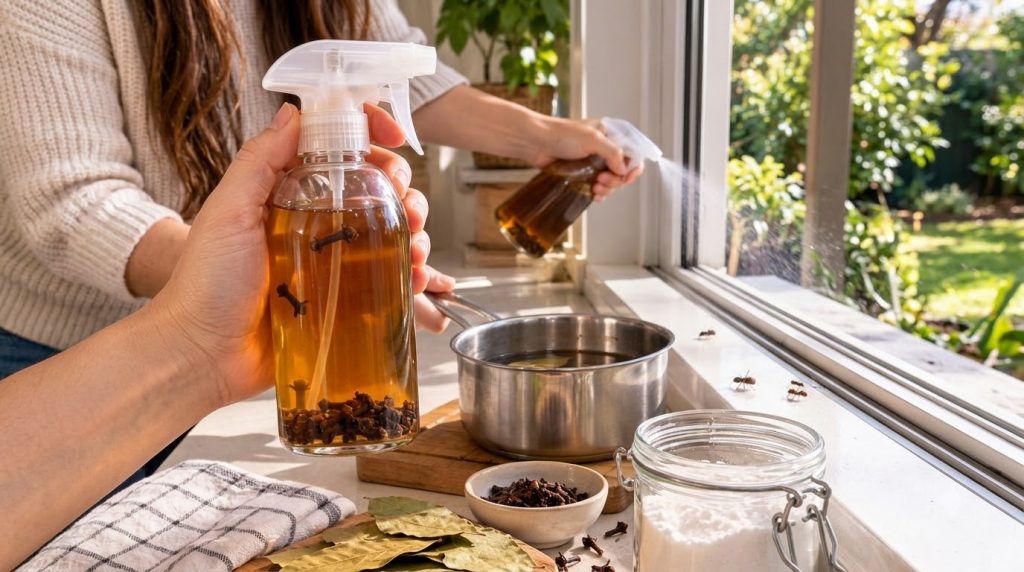
What You’ll Need
Gather these simple items to make your own natural repellent:
Ingredients
- 10-15 dried bay leaves
- 2 tablespoons whole cloves
- 2 cups water
Tools
- Small saucepan
- Strainer or fine mesh sieve
- Spray bottle (for liquid application)
- Small breathable sachets or bowls (for dried application)
Why This DIY Can Be Useful
Bay leaves and cloves are more than just cooking spices; they possess natural properties that many common household pests, particularly ants, find highly unappealing. The strong, distinct aroma from these ingredients acts as a natural deterrent, signaling to pests that an area is not suitable for foraging or nesting. This method provides a chemical-free way to encourage pests to steer clear, making it a great option for kitchens and pantries where food safety is a priority.
How to Make It
Making this natural repellent is quick and easy:
- Combine Ingredients: In your small saucepan, add the 2 cups of water, 10-15 dried bay leaves, and 2 tablespoons of whole cloves.
- Simmer: Bring the mixture to a boil, then reduce the heat to low and let it simmer for about 15-20 minutes. This allows the beneficial compounds and strong aromas to infuse into the water.
- Cool and Strain: Remove the saucepan from the heat and let the mixture cool completely. Once cool, strain the liquid through a fine-mesh sieve or strainer to remove the bay leaves and cloves.
- Transfer: Pour the strained liquid into a clean spray bottle.
How to Use It
You have a couple of options for using your homemade repellent:
- Spray Application: Lightly spray the liquid directly onto surfaces where you’ve seen ants or other pests, such as windowsills, countertops, pantry shelves, and along baseboards. Avoid spraying directly onto food.
- Dried Application: For a more sustained effect, you can also place the dried bay leaves and whole cloves (either fresh or those used in the simmered liquid, once dried) directly into small breathable sachets or tiny bowls. Place these in problem areas like corners of pantry shelves, under sinks, or inside cabinets.
- Frequency: For best results with the spray, reapply every 2-3 days, or more often if you notice a strong recurrence of pests. Dried sachets can be effective for a few weeks before needing to be refreshed.
What to Expect
This natural repellent works by deterring pests with its aroma, not by eliminating them. You should expect to see a reduction in the number of ants and other small crawling insects in the treated areas. It creates an unpleasant environment for them, encouraging them to find a new path or food source elsewhere. While it’s a helpful tool for prevention and mild infestations, it’s important to understand that it may not solve a severe pest problem instantly or completely.
Helpful Tips
- Boost Potency: For an extra strong repellent, gently crush some of the bay leaves before simmering to release more of their essential oils.
- Freshness Matters: Replace dried sachets or bowls of bay leaves and cloves every 2-3 weeks, or when their scent starts to fade, to maintain effectiveness.
- Combine Methods: Use both the spray and the dried sachets/bowls in different areas for comprehensive coverage.
- Cleanliness First: Always combine any pest control method with good household hygiene. Keep surfaces clean, wipe up crumbs, and store food in airtight containers to reduce attractants for pests.
Important Notes / Safety
- Not for Ingestion: While bay leaves and cloves are culinary spices, this solution is intended for surface application only. Do not consume the repellent liquid.
- Patch Test: Before spraying on a new surface (especially finished wood or delicate materials), do a small patch test in an inconspicuous area to ensure it doesn’t cause discoloration or damage.
- Ventilation: Ensure good ventilation when spraying to avoid concentrating the strong scent in a small area.
- Storage: Store the leftover liquid repellent in a sealed spray bottle in a cool, dark place for up to two weeks. Discard if you notice any mold or a change in odor.